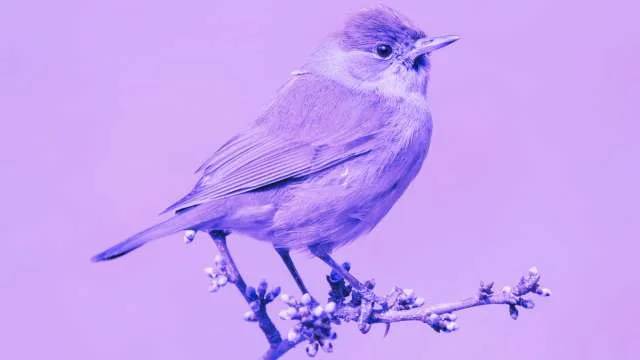
When you wake from dreaming about a woodpecker, the image usually points to messages about persistence, timely action, and clear communication; this dream often urges you to notice opportunities, speak up, or keep working steadily toward a goal.
Key Takeaways
- Woodpecker dreams signal the need to act on chances and pay attention to subtle cues, including your intuition.
- They commonly highlight persistence, creative problem solving, and the value of steady effort over quick fixes.
- These dreams can point to inner shifts—spiritual awakenings, new rhythms, or changing priorities that require patience.
- Sometimes a woodpecker image warns to protect boundaries or repair neglected parts of your life before small issues become bigger.
Related: Dreaming about Worms

Table of ContentsTap to open
Symbolic Meanings of Dreaming About a Woodpecker in a Dream
- Knocking Opportunity: The woodpecker’s tapping often represents an opportunity seeking your attention. In waking life this can mean a new relationship, a work chance, or an idea that requires action. The dream is nudging you to open the door rather than ignore the knock.
- Communication Signal: The bird’s drum is a call to communicate—either to say what you need, listen closely, or refine the way you express yourself. This symbol can point to conversations you’ve been avoiding or to the need to be clearer with others.
- Persistence and Process: Woodpeckers chip away consistently; as a dream symbol this emphasizes small, repeated steps over dramatic leaps. It recommends steady habits and patience, showing that progress is built over time.
- Inner Timing and Rhythm: The patterned tapping speaks to finding your personal rhythm. It may be an encouragement to trust your timing, set routines that support you, and stop measuring success solely by speed.
- Boundary Work and Repair: When a woodpecker focuses on a structure—like a tree or a house—it can highlight places where you need to fix things, protect your space, or confront gradual erosion in a relationship or habit.
Common Woodpecker Dreams and Their Interpretations
Hearing a Woodpecker Drumming
Dreams where you hear a woodpecker drumming but don’t see the bird often emphasize messages that arrive subtly. The sound may represent an inner prompt or an external sign you’ve been tuning out; it asks you to listen and distinguish important signals from background noise. If the drumming feels urgent, that urgency likely applies to a waking-life decision that needs attention.
Different tones of drumming suggest different advice: loud, insistent tapping may point to immediate action, while soft, distant taps can mean gradual shifts or quiet intuition. If you feel restless while listening in the dream, consider what topic in your life has been on low simmer—relationships, a career move, or a creative project.
Use the sound as a cue to inventory the small nudges you’ve been ignoring. For more on how symbols function as messages, see Dream Symbol interpretations; they can help you separate literal fear from symbolic instruction.
Seeing a Woodpecker Feeding
When a woodpecker is feeding in a dream, the image often ties to how you nourish yourself—physically, emotionally, and creatively. Watching a bird extract insects or eat fruit can symbolize your ability to find sustenance in unexpected places, encouraging resourcefulness and attentiveness to small benefits that add up.
If the woodpecker is extracting insects, the dream may be urging you to look beneath surfaces for hidden resources or opportunities; if it’s eating berries or fruit, the scene is likely celebrating the rewards of past effort and the sweetness of tangible results. Consider where you have invested time and can now enjoy the payoff—professionally or personally.
The feeding bird can also remind you to balance giving and receiving. If the bird shares or hoards food, reflect on your relationships and routines: are you refueling adequately? Are you generous without draining yourself? For symbolic parallels about rewards, see ideas about fruits as outcomes.
Woodpecker Building a Nest
A dream of a woodpecker carving out or building a nest points to foundation work. This can be a literal sign about family, home, or projects that require time and careful construction. The woodpecker’s effort signals that making a secure base takes attention to detail and repeated effort.
If the bird is hollowing out a tree, the dream often emphasizes long-term investment and legacy—creating space where ideas and relationships can grow. Pay attention to what materials the bird gathers; these can symbolically represent the emotional or practical resources you’re collecting for a future stage.
Building a nest in a dream asks you to assess whether your plans are rushed or thoughtfully assembled. It suggests slowing down to secure what matters: contracts, routines, or emotional safety. The image invites you to tend the groundwork so later seasons can flourish.
Woodpecker in Flight
A flying woodpecker represents movement between perspectives—freedom, transition, and the ability to shift course. When the bird takes to the air, the dream is often highlighting a possibility to rise above current limitations or to see a situation from a higher vantage point before making choices.
The manner of flight matters: effortless gliding suggests alignment with your values and smooth transitions; erratic or struggling flight can reflect uncertainty about the next steps. If the woodpecker performs acrobatic moves, that may celebrate flexibility and creative problem solving during change.
Use the flight image as a prompt to evaluate risk and support: are you ready to leave comfort behind? Do you have a safety net if a leap is required? Dreams about wings mirror waking concerns about freedom and responsibility—see related ideas about wings as symbols of potential.
Woodpecker Pecking at Your House
When a woodpecker targets your dwelling in a dream, it often points to vulnerabilities in your personal life—boundaries, systems, or relationships that are being tested. The tapping may reveal unseen damage: habits or conflicts slowly eroding your sense of safety. The dream is an invitation to inspect what’s been neglected.
If the bird is causing harm, that can signal destructive patterns—internal or external—that need attention before they escalate. Conversely, if the tapping reveals hidden flaws, treat it as a chance to uncover and repair issues. This image calls for practical steps: clear communication, maintenance, or seeking help.
Consider which “rooms” of your life feel exposed. The dream encourages you to set limits, communicate needs, and protect your homebase so you can feel secure and steady again.
Woodpecker as a Spirit Guide
Encountering a woodpecker as a guiding figure in a dream points to inner wisdom and a call to harness your natural gifts. This archetype can appear when you’re being invited to trust instincts, step into a vocation, or follow a creative calling you’ve previously doubted.
A guiding woodpecker that offers messages or gestures suggests that intuition and symbolic insight are available—pay attention to recurring images or phrases in waking life. A guiding bird may also bring clarity about purpose, showing you specific next steps or attitudes that will support growth.
When the woodpecker’s presence feels blessing-like, accept the encouragement to pursue meaningful work or relationships. The spirit-guide image reminds you that inner guidance is accessible if you slow down, listen, and act with integrity.
Woodpecker in Distress
Seeing a wounded or trapped woodpecker often reflects emotional vulnerability—your own or someone else’s. The dream may be mirroring feelings of helplessness, suppressed needs, or a situation that feels out of your control. Such a dream asks you to identify where support is needed and to honor limits compassionately.
If predators threaten the bird, the dream can indicate external pressures or hostile dynamics in your life; it asks you to take steps to increase safety, get help, or remove yourself from toxic contexts. If the bird calls for assistance, consider who in your life could use your direct support.
This image also nudges toward healing: seek resources, practice self-care, and name the specific hurts you face. The dream validates vulnerability while encouraging practical measures for recovery.
Woodpecker in Your Hand
Holding a woodpecker denotes control and intimate connection with an ability or truth. When you cradle the bird, the dream suggests you are integrating a part of yourself—confidence, a skill, or insight—and are ready to use it intentionally. The calmness of the bird in your palm reflects inner alignment between will and purpose.
If the bird suddenly flies away from your hand, that can symbolize releasing control or welcoming a new independence in your projects or relationships. If it pecks gently, the message may be to pay attention to subtle guidance or signals you’ve been given.
This dream encourages deliberate action: nurture the skills in your hands, trust that you can steward opportunities, and practice steady care as you build momentum toward your goals.
Woodpecker on a Feeder
A woodpecker visiting a feeder evokes abundance and the flow of giving and receiving. This image often points to a season where resources—emotional, material, or creative—are available to you. Watching the bird calmly feed suggests gratitude and recognition of small, sustaining pleasures.
If the feeder is shared with other birds, the dream highlights community, cooperation, and the joy of mutual support. If the feeder is empty but the bird visits anyway, take it as a reminder to replenish your reserves—sleep, nutrition, creative input—before you continue giving to others.
The feeder scene encourages cultivating a balanced exchange: ask where you need to restock, where you can share freely, and how to create sustainable routines that keep you nourished for the long run.
Woodpecker in a Tree Cavity
When a woodpecker sits inside a tree cavity, the dream is pointing toward retreat and inner work. This image often appears when you need space to process, grieve, or incubate ideas in private. The cavity is symbolic of a safe container for reflection and personal growth.
If the bird emerges from the cavity, it signals rebirth—a new aspect of self coming out after a period of solitude. If it invites you into the hollow, the dream can be a call to explore your inner landscape, confront buried material, and integrate lessons from quiet time.
Honor this impulse toward solitude. Create intentional periods of rest or journaling; these practices will make the transition from inner work to outward action smoother and more sustainable.
Woodpecker Attacking
Dreams where a woodpecker attacks are often about boundaries and conflict. An attacking bird can symbolize feelings of violation or internalized criticism that repeatedly “pecks” at your confidence. This dream points to the need to set firmer limits and protect mental or emotional space.
The location of the attack matters: if the bird targets the head, the imagery may relate to intrusive thoughts or pressure on your identity; if it targets the home, it can indicate domestic conflict. Consider where pressure is recurring in your life and what practical steps will reduce that strain.
This dream also invites reflection on assertiveness—how to communicate needs clearly and constructively. Work on firm but kind boundaries, and seek support if the conflict feels unsafe.
Dead Woodpecker
Seeing a dead woodpecker often marks an ending—of a phase, opportunity, or role. This image can bring grief but also the chance to clear space for new growth. The dream may ask you to acknowledge loss and to ritualize goodbye so you can move forward without carrying what no longer serves you.
If the bird is honored or buried in the dream, that suggests healthy closure—recognition of what was valuable and an intentional release. If decomposition and return to soil are emphasized, the scene points to natural cycles of death and regeneration; endings can feed beginnings.
Use this dream as a prompt to create ceremonies for letting go—journaling, talking with trusted friends, or marking transitions tangibly; these actions help convert sorrow into constructive preparation for the next season.
Related: Dreaming of a snail