
A nest in a dream usually signals themes around home, protection, and beginnings; it points to parts of your life that are growing, being cared for, or asking for attention. Use the image and details from the dream to clarify whether that growth is emotional, creative, relational, or practical—this page explains common meanings and shows how to interpret the nest symbol in your waking life.
Key Takeaways
- A nest commonly represents safety, family, and the start of something new.
- The nest’s condition, location, and occupants change the message—eggs, babies, or an empty nest mean different things.
- Nests made by animals other than birds carry different tones: protection, teamwork, warning, or transformation.
- Your feelings in the dream (calm, anxious, curious, sad) are often the clearest guide to meaning.
- Look for links between the dream images and real-life transitions like pregnancy, a relationship change, or career shifts.
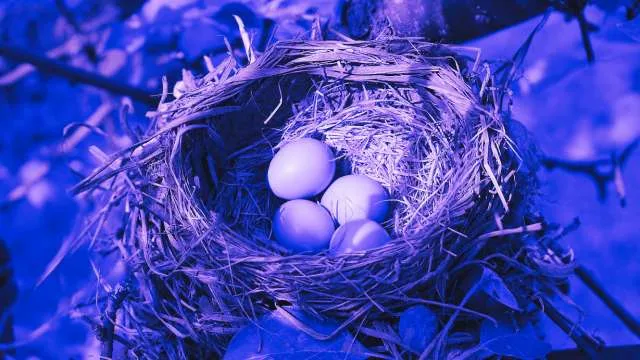
Table of ContentsTap to open
Symbolic Meanings of Nest in a Dream
- Safety and sanctuary — A nest often stands for a place you consider safe. If you feel secure in the dream, the nest reflects a real or desired sense of protection: your home, relationships, or emotional support network.
- Potential and beginnings — Eggs, embryos, or tightly woven nests point to ideas, projects, or relationships in early stages. This meaning emphasizes care, patience, and the need to nurture what’s developing.
- Nurturing and responsibility — When you see feeding, cleaning, or guarding within the nest, the dream focuses on caretaking roles: parenting, mentoring, or tending creative work that requires time and attention.
- Vulnerability and loss — An empty, damaged, or falling nest can highlight feelings of loss, loneliness, or instability. It may signal the end of a role (such as children leaving home) or a fear of change.
- Creativity and inner life — Nests symbolize the inner container for ideas and imagination. A comfortable, abundant nest can encourage you to explore creative projects or spiritual practice; for more on related symbols, see dream symbols.
- Transformation and warning — Depending on the animal or condition, nests can warn of hidden problems (like a wasp nest), or point to transformation, as with snakes shedding skin; read more at snakes.
Common Nest Dreams and Their Interpretations
Seeing a bird’s nest in your home
When a bird’s nest appears inside your home in a dream, it strongly ties the symbol to domestic life. The dream asks you to consider whether your living space and close relationships feel supportive and stable. If the nest looks well-built and warm, it suggests comfort and emotional safety; if it’s messy or broken, it may point to unresolved conflicts or neglected needs at home.
Pay attention to who lives with you in waking life. A nest in the home can reflect parental roles, caregiving responsibilities, or the adjustments that come with shared spaces. If the nest contains eggs or chicks, the dream often links to new projects, a child, or an emerging idea that you are tending within the safety of your household.
Emotion matters: feeling peaceful near the nest signals contentment; feeling anxious might mean you fear losing that security. If you want a deeper method for interpreting images like this, consider approaches in dream interpretation.
Finding eggs in a nest
Eggs inside a nest are a classic sign of potential. This image often represents projects, relationships, or personal qualities that need incubation. The dream encourages nurturing—giving time, energy, and protection so the egg can develop into something tangible.
Consider how many eggs you saw and their condition. A clutch of many eggs may suggest multiple opportunities or responsibilities, while a single egg can point to one important idea or relationship that needs focused care. If an egg is cracked or broken, it may reflect disappointment or a plan that failed to incubate properly.
Notice your reaction to the eggs: excitement suggests readiness to invest in the idea, while fear could indicate doubt about your ability to nurture it. For symbolic context, eggs often bridge the practical and spiritual, connecting creative work to inner growth.
An empty nest
An empty nest commonly captures the mixed emotions tied to endings and new chapters. This dream may literally reference children moving out, but it also applies to projects finishing, roles ending, or a sense that part of your life has changed. It can bring grief, relief, or a mix of both.
An empty nest can be an invitation to rediscover your identity beyond caretaking roles. Ask what activities or relationships used to fill that space and what you might now choose to cultivate. The dream can motivate you to find new meaning, hobbies, or social connections that match your next life stage.
Watch how the empty nest is framed: abandoned and decaying suggests unresolved sadness; a clean, intentionally empty nest can suggest readiness and space for new growth. If you’re navigating transitions like retirement or children leaving, this image often reflects the emotional work involved.
Bird flying out of a nest
Seeing a bird leave its nest often represents separation, independence, or release. It can point to a child becoming independent, a project launching, or an aspect of yourself stepping into the world. The tone of the dream—joyful, anxious, or neutral—reveals whether you welcome that change or feel unsettled by it.
If the bird leaves willingly and flies confidently, the dream supports letting go: trust that what you raised can thrive on its own. If the bird falls or struggles when it leaves, it may capture fears about readiness or the need for more support before taking a next step.
Conversely, a bird returning to the nest underscores reunion and safety. Think about whether you are ready to release responsibilities or if you are hoping for someone’s return to a previous role in your life.
Building or adding to a nest
Dreams where you or an animal build a nest highlight active creation and planning. This symbol is connected to preparation—taking concrete steps to establish security or set the foundations for a future project. It often urges practical, steady work rather than sudden moves.
Pay attention to materials used and the building process. Gathering soft, warm materials suggests emotional investment and care; using rough or sharp items may indicate a rushed or insecure approach. The presence of helpers implies teamwork and shared goals; working alone reflects a personal mission to create stability.
This kind of dream can also speak to life-stage decisions: preparing a home for a new family member, organizing finances, or cultivating a spiritual practice. The act of building offers reassurance that intentional effort leads to a safer, stronger base.
Destroying or disturbing a nest
Dreams of a nest being broken, trampled, or otherwise harmed point to feelings of regret, guilt, or self-sabotage. You may be dismantling something that once supported you, whether by choice or through conflict. Consider whether current actions are undermining your emotional safety or long-term plans.
Sometimes these dreams surface when you are intentionally ending a situation that no longer serves you—moving on, leaving a relationship, or changing careers. The destructive image can be painful but also part of clearing space for something new. Context and emotion distinguish between harmful sabotage and healthy endings.
If the destruction causes distress in the dream, it’s a cue to slow down and assess whether you need to repair what’s been damaged or to mourn what’s been lost before building again.
Finding a nest with money or valuables
Discovering money, jewelry, or other valuables in a nest usually symbolizes hidden resources—talents, savings, or opportunities you hadn’t noticed. The nest in this scene acts as a container for gifts that may come from creative work or close relationships.
This image can also indicate that your emotional investments will yield practical returns. Perhaps a hobby or caregiving role will lead to income, recognition, or personal reward. If you felt greed or fear, reflect on your attitudes toward prosperity and whether you feel deserving of abundance.
To explore financial or resource symbolism further, consider how the nest connects to work and security in your waking life and what steps you can take to cultivate those hidden resources; for more on similar meanings see money.
Seeing a nest in a tree
A nest perched in a tree suggests growth that is supported by solid roots. Trees often symbolize stability and personal foundations; a nest in a healthy tree speaks to secure development and the ability to rise. If the tree looks strong, the dream affirms that you have a reliable base for growth.
If the tree is dead, leafless, or unstable, however, the dream warns that the foundations for your plans might be shaky. This image invites you to check what nourishes your goals—relationships, finances, or inner confidence—and to strengthen them before moving forward.
Interpreting this image can benefit from reflecting on your personal network and resources. For a deeper look at tree symbolism and support systems, see a tree.
Nested animals other than birds (wasps, bees, ants)
When the nest belongs to a non-bird creature, the meaning shifts to the characteristic behavior of that animal. A wasp or hornet nest can feel threatening and may point to hostility or hidden conflict in your life. Protect yourself and address sources of agitation directly if you see this image.
A bees nest emphasizes cooperation, industry, and community. Such a dream can encourage teamwork, disciplined effort, and trust in group processes. An ant nest suggests planning, persistence, and preparing for the future; see ants for more.
These animal-specific nests can also carry warnings. A wasp or hornet nest may signal a person or situation that could sting you emotionally; a snake near a nest may suggest hidden threats or deep transformation—refer to snakes.
Finding a nest in your hair, mouth, or on your body
A nest located on or in your body ties the symbol directly to identity, expression, and intuition. A nest in your hair or on your head points to ideas and identity—new thoughts, creative plans, or feelings about how you present yourself. This is often a positive sign of birthing new ideas.
A nest in your mouth may indicate something you’re ready to speak or share but haven’t yet voiced. It could also feel uncomfortable, signaling pressure about revealing private or vulnerable material. A nest in your stomach commonly links to gut intuition about something growing inside your life; consider your bodily sensations carefully.
For discussion of nest images tied to personal expression and physical symbols, see related meanings like hair.
Discovering an abandoned nest
Encountering an abandoned or ruined nest often surfaces feelings of neglect, isolation, or missed potential. The image can reflect relationships or projects that were once vital but have been left behind, intentionally or not. It’s a prompt to acknowledge what was lost and whether it requires repair or respectful closure.
Sometimes abandonment signals healthy progress—a project completed and released. Other times it points to unresolved grief or the need to reclaim neglected parts of yourself. Ask whether you are the one who left the nest or if you are mourning someone else’s departure.
Working through an abandoned-nest image involves recognizing the emotional cost of the loss and deciding whether to rebuild, reclaim what you can, or create something new from the experience.
Watching a parent bird care for chicks
Observing caregiving in a nest centers the dream on responsibility, devotion, and the labor of love. This scene typically highlights your caregiving role—either the support you give others or your desire to be cared for. It can also mirror how you approach creative or professional projects that require ongoing attention.
Think about balance: are you overwhelmed by caretaking duties, or do you find the role fulfilling? The dream may encourage setting healthier boundaries or seeking help if the work is too heavy. If you feel proud and nourished, it affirms your commitment and ability to support growth in others.
This image can also call attention to the quality of your nurturing—gentleness versus overprotection—and invite reflection on how best to foster independence and resilience in those you care for.
Finding valuables or a hidden object in a nest
Finding a special item in a nest suggests discovery of inner resources—skills, insights, or emotional reserves that have been stored away. The nest’s role as a container makes it ideal symbolism for uncovering talents or opportunities that had been incubating below your conscious awareness.
Consider what the object symbolizes to you personally. A key may mean access to a new stage of life; jewelry might represent value and self-worth you hadn’t acknowledged. How you react—surprise, joy, fear—reveals whether you feel ready to claim those resources.
Use this dream as motivation to explore hidden strengths and to plan how you will use them in practical ways, such as pursuing a new job, creative project, or relationship.
Nest damaged by weather or predators
When a nest is ruined by wind, rain, fire, or predators in a dream, it often signals external pressures threatening your stability. These forces could be literal stressors—financial loss, illness, or conflict—or symbolic ones like fear of failure or social judgment.
The presence of predators points to perceived threats in your environment; storms represent uncontrollable forces. The dream invites a realistic assessment of vulnerabilities and a plan to shore up supports—friends, finances, or personal coping strategies.
Responding proactively in waking life—building back the nest, asking for help, or relocating—reflects healthy integration of the dream’s message. The image urges you to build resilience and protective measures that match the scale of the threat.
How to Interpret Your Nest Dream
- Record details immediately. Write down the type of nest, its location, occupants, and your emotions. Small details often change the meaning.
- Map dream elements to waking life. Ask which people, projects, or feelings the nest might represent; consider family, work, creativity, and spirituality.
- Use feeling as a guide. The strongest clue in many dreams is how the scene made you feel—safe, anxious, excited, or sad.
- Look for wordplay and metaphors. The mind often expresses ideas indirectly—an “empty nest” may literally point to children leaving or to a sense of emptiness you feel.
- Reflect and act thoughtfully. Decide whether the dream asks you to nurture, release, protect, or repair something in your life. Practical next steps make the insight useful.
For broader advice on working with symbols and refining your interpretation, review techniques at dream interpretation and compare how the nest relates to other images you’ve seen.
Frequently Asked Questions
1. What does it mean to dream of a nest with eggs?
Seeing eggs in a nest highlights possibilities and things needing protection and time. It’s a call to nurture and monitor a developing plan, relationship, or personal change. The dream asks you to be patient and provide what the “eggs” need to come to fruition.
The number and condition of eggs are meaningful details: many eggs can indicate multiple responsibilities; a damaged egg suggests a plan that needs repair. Your emotional tone in the dream helps decide whether to proceed confidently or take a more cautious approach.
Consider practical steps to support incubation—time, space, or emotional energy—and whether you need to ask others for help to protect and grow what’s inside the nest.
2. Is it good to see a bird’s nest in a dream?
Most often, a bird’s nest is a positive image tied to home, family, and creative potential. It points to a place of care and beginnings. However, the full meaning depends on the nest’s condition, who lives there, and how you feel while observing it.
A clean, active nest with chicks suggests growth and healthy relationships. A ruined or frightening nest indicates instability or hidden problems. Use the details to determine whether the dream affirms your current path or asks you to address a concern.
Context matters: if you’re in transition—moving, starting a family, or changing jobs—the nest often shows how those changes affect your sense of safety.
3. What is the spiritual meaning of a nest in a dream?
Spiritually, nests can represent the container for the soul’s projects—places where inner life takes shape and evolves. They can signal a need to create sacred space, develop intuition, and tend spiritual practices that support growth and transformation.
Some people experience nest dreams as messages about soul work or calling. If the dream feels especially meaningful, consider journaling, meditation, or quiet reflection to listen for guidance and to recognize spiritual shifts and cycles.
For other symbolic connections and deeper contexts, see articles on related symbols such as dream symbols.
4. What does an empty nest mean in a dream?
An empty nest commonly reflects endings and transitions—loss of a role, a period of solitude, or the end of a phase. It may feel sad, liberating, or both, and it often prompts questions about identity and next steps.
Use an empty-nest dream as an opportunity to explore new purposes and activities. Consider what you might want to learn or create now that certain responsibilities have changed or ended.
Practically, this dream can encourage reconnecting with partners, friends, or hobbies, and giving yourself permission to grieve what ended while welcoming new possibilities.
5. What does it mean to dream of a nest in a tree?
A nest in a tree ties growth to roots and support systems. A healthy tree with a nest indicates secure support and space to grow. A dying tree suggests your foundations may need strengthening before you can feel confident about future plans.
Think of the tree as symbolic of your resources—family, community, financial stability, or inner resilience. If the tree looks strong, you have a solid base; if weak, the dream prompts work to reinforce those supports.
When you interpret this dream, assess the real-world elements that nourish your goals and decide what practical steps can shore up your foundation.