Dreaming of a chameleon usually points to themes of flexibility, hidden identity, and shifting responses to your surroundings; when you dream of a chameleon, the image often highlights how you adjust to social situations, conceal or reveal parts of yourself, or sense subtle changes in your life.
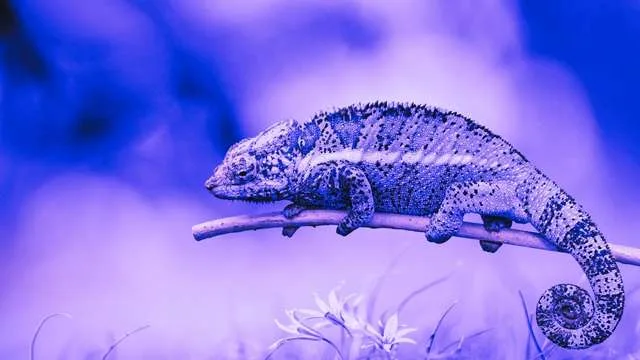
Key Takeaways
- Dreaming of a chameleon commonly symbolizes adaptability, shifting identity, and the need to respond to changing circumstances.
- These dreams can indicate a desire to hide parts of yourself or to present different faces in different contexts.
- The chameleon image often calls attention to perception—seeing situations from new angles or becoming more aware of subtle cues.
- Color shifts or the chameleon’s environment in the dream give clues about whether change feels empowering, confusing, or limiting.
- Paying attention to how you interact with the chameleon in the dream—observing, catching, or being chased—reveals whether you feel in control or overwhelmed by change.
Related: Dreaming of a Woodpecker
Table of ContentsTap to open
Symbolic Meanings of Dreaming About a Chameleon
- Adaptability and Survival: The chameleon often represents your ability to shift behavior to meet new demands. In dreams this can praise your flexibility or warn you that constant adaptation is wearing you down. Consider whether recent changes—job, relationship, or environment—have required you to stretch in ways that feel sustainable.
- Concealment and Presentation: A chameleon’s camouflage suggests selective revealing and hiding. This meaning asks whether you are masking feelings, opinions, or parts of your identity to fit in. The dream may be urging honesty or showing how energy is spent maintaining appearances.
- Perception and Awareness: Because chameleons have precise vision, they can signal a need to observe more closely. You might be overlooking important details or needing to adopt a new viewpoint. The dream encourages sharper attention to subtle social cues or personal blind spots.
- Personal Transformation: Color change points to inner shifts—new roles, attitudes, or values. These transformations can be deliberate growth or unasked-for reactions to pressure. Pay attention to whether change in the dream felt liberating or anxious; that will help you understand how you’re experiencing real-life transitions.
- Identity Complexity: Multiple colors or a chameleon in a group can highlight layered identity—how you play different roles in different circles. The dream can be an invitation to integrate those parts or to decide which role you want to carry forward.
Common Chameleon Dreams and Their Interpretations
Seeing a Chameleon Change Colors
When you see a chameleon shift colors, the dream is often pointing to change happening inside you or around you. Bright, confident color changes can signal that you’re embracing a new side of yourself; muted, drift-to-background shifts may show withdrawal or self-protection. Think about what color transitions stood out—each tone can carry emotional meaning.
Color change can also represent the pace of change. Slow, deliberate transitions hint at a steady personal evolution that you can manage. Rapid, chaotic shifts often mirror external instability—work pressure, relationship upheaval, or an overfull schedule that forces constant adjustments.
Notice your reaction in the dream. If you watched with curiosity, the dream may be encouraging exploration. If the color change made you anxious, it could be flagging resistance to a new role or fear that you’re losing a stable sense of self.
Catching or Holding a Chameleon
Dreaming that you catch or cradle a chameleon often reflects a desire to control or understand a mutable part of your life. Holding the animal suggests an attempt to manage change—containing an aspect of identity or stabilizing a situation that keeps shifting under your feet.
If the chameleon slips away, the dream may reveal frustration at fleeting opportunities or a sense that you cannot pin down someone or something. Repeated attempts to catch it point to persistence; consider where you are exerting energy to “catch” a result that remains elusive.
How gentle you are matters. Careful handling hints at compassionate self-exploration, whereas roughness suggests forcing a transformation before you’re ready. Use this image to ask whether control is helping you grow—or blocking a necessary, organic process.
Chameleon Inside Your Home
A chameleon appearing in your home often links to private identity and family dynamics. In that setting the dream may be exploring how comfortable you feel being yourself around those closest to you. A chameleon in a private room could mean you’re adapting behavior to avoid conflict or to meet family expectations.
The specific room gives nuance. In the bedroom, concealment may touch intimacy or personal authenticity. In a shared living space, it can point to social roles within the family—how you present yourself at gatherings or who you “become” to keep harmony. The dream invites reflection on whether these adjustments are voluntary or compulsory.
Pay attention to the mood: if the chameleon seems at ease at home, you might be smoothly navigating personal roles. If it’s frantic or hiding, you may feel pressure to perform or conceal parts of yourself to maintain peace or avoid judgment.
Chameleon in Nature (Tree, Desert, Rainforest)
A chameleon in its natural surroundings emphasizes alignment—or misalignment—with your environment. Seeing it perched in a tree suggests adaptability that matches the setting: you’re growing into roles that fit your context and using surroundings to support change.
In harsher landscapes, like a desert, the dream points to resourcefulness under scarcity. You may be conserving energy emotionally or financially and learning to survive with less. In a rich, crowded environment such as a rainforest, the chameleon’s presence can mean you’re navigating complexity and abundance—choosing which influences to absorb.
Consider whether the chameleon seemed well-camouflaged or out of place. Comfortable blending implies healthy adaptation; standing out signals either a chance to shine or a warning that you feel exposed and vulnerable in this chapter of life.
Related: Dreaming of an octopus
Chameleon as a Pet
Dreaming of a chameleon kept as a pet explores your relationship to parts of yourself that you try to domesticate or manage. A pet chameleon you feed and care for suggests gentle attention to a changing trait—nurturing creativity, curiosity, or a newly acknowledged desire.
If the chameleon escapes or behaves unpredictably, the dream can reveal anxiety that aspects you tried to tame are uncontainable. This may reflect fears about a habit, emotion, or person that resists your attempts to structure or control it.
Keeping the chameleon in a comfortable terrarium indicates boundaries: you understand change needs space and conditions to thrive. If the pet looks unhappy, examine whether your attempts to “domesticate” a part of yourself are actually stifling it.
Giant Chameleon
Seeing an enormous chameleon magnifies the dream’s message: the need to adapt or hide feels overwhelmingly large. A giant chameleon looming over you can reflect a stressor that demands transformation on a major scale—career shifts, major relationship changes, or a health crisis that redefines daily life.
When a giant chameleon changes color dramatically, it can symbolize a major societal or personal transition you’re witnessing or undergoing. The image often points to large-scale identity shifts: new public roles, leadership responsibilities, or a life stage that challenges previous coping strategies.
Interaction matters: if you can engage constructively with the giant creature, you may be capable of integrating big change. If it terrifies or dominates you, the dream warns you to slow down and seek support rather than attempting to face the transformation alone—similar to encountering a giant in other symbolic dreams.
Chameleon Blending into Surroundings
When the chameleon melts into its environment, the dream draws attention to conformity and concealment. Blending into a wall—or the background of a social scene—can show that you’re minimizing yourself to avoid attention or conflict. That strategy can be protective but may also drain authenticity over time.
If the chameleon is camouflaging against a wall, think about what barriers you face that encourage hiding. The wall may represent societal expectations, a rigid workplace culture, or personal insecurities prompting you to mute parts of who you are.
Alternatively, if the chameleon stands out despite attempts to blend, the dream can be a nudge to express your unique traits instead of shrinking them. This tension between blending and standing out is often where important growth begins.
Chameleon Hunting or Being Hunted
Dreams where a chameleon pursues prey highlight focused strategy and patience. That image may mirror your pursuit of a goal: you’re waiting for the right moment, using subtlety rather than force. A hunting chameleon suggests strategic, deliberate moves rather than impulsive action.
If the chameleon is the one being pursued, that flip of roles signals pressure—feeling chased by expectations, deadlines, or unresolved issues. This chase may feel relentless, tapping into anxiety about being overwhelmed or losing autonomy. The dream could be reflecting a sense that something is actively pursuing you, mirroring real-life stressors tied to work, relationship, or personal obligations.
Because the scene can carry aggressive undertones, check how you respond. Do you hide, fight back, or find a clever escape? Your reaction in the dream points to coping styles you use under pressure. This scenario ties into themes of hunting and the feeling of being pursued that appears in related symbolic dreams.
Chameleon in a Cage
Seeing a chameleon locked up draws a clear parallel to feeling trapped. The cage can represent a limiting job, a controlling relationship, or internal rules that prevent authentic expression. A small, cramped cage points to intense confinement and a strong desire for release.
A larger, roomy enclosure signals that you have more space to adapt while still feeling observed or constrained. The dream asks whether you have created safe boundaries that support change—or whether those boundaries have become cages preventing real growth.
When the chameleon struggles to escape, it mirrors your urge to break free from expectations or roles that no longer fit. Consider practical steps you can take to expand your options or loosen rules that keep you constrained, and notice whether the dream pushes you toward action.
Chameleon with Unusual Colors or Features
A chameleon displaying striking, unexpected colors often symbolizes emerging aspects of yourself that demand attention. Vibrant hues can signal a newfound confidence or a creative burst; they encourage you to express traits you previously hid. The link between color and emotion is strong here—bright shades typically signify enthusiasm, while muddy tones can reflect confusion.
If the chameleon shows frankly unusual physical traits—extra eyes, odd limbs—it may indicate a need to widen perspective or notice overlooked details. Extra eyes suggest increased vigilance or the capacity to see situations from multiple angles, while odd appendages might point to unique talents you haven’t fully explored.
When unusual features feel unsettling, the dream could be asking you to accept unconventional parts of yourself. Embracing what feels different could unlock new ways of relating to others and approaching opportunities, much like exploring vibrant emotional states in waking life.
Chameleon in a Group
A chameleon among others highlights social dynamics and the tension between conformity and individuality. If your chameleon blends in with a group, the dream may reflect the comfort of belonging or the pressure to conform to group norms at the expense of your identity.
When the chameleon stands out, the dream celebrates distinctiveness and may encourage you to lean into what makes you different. This contrast often surfaces when you’re evaluating whether to fit in at work, within a friend circle, or inside family structures.
Color shifts within the group offer additional cues. If the chameleon changes color to match others, ask whether you’re wearing a social “mask.” If it intentionally differs, you might be in a phase of asserting personal values and creative expression despite potential pushback.
Chameleon in a Threatening Situation
When a chameleon faces danger—predators, fire, or unstable terrain—the dream highlights survival tactics and resilience. The animal’s responses model strategies you can use: camouflage to avoid harm, mobility to escape, or defensive postures to deter attack. Reflect on what threats you perceive in waking life and which strategy feels most natural.
If the chameleon evades danger with skill, the dream reassures you that you possess the adaptability to navigate threats. If it fails to escape, the scene points to vulnerability and a need for support or new tactics. This can be a call to shore up resources, strengthen boundaries, or seek allies.
Threatening scenarios also reveal emotional risk: the fear of exposure, criticism, or loss. Use the dream as a diagnostic tool—identify where you feel threatened and whether camouflage (short-term safety) or confronting the threat (long-term resolution) better suits your situation.