Dreaming about the moon usually signals shifts in your feelings, a call to trust your inner voice, and a reminder that your life follows cycles of growth, rest, and change.
Key Takeaways
- The moon in dreams often points to emotions, intuition, and the rhythmic ebb and flow of your inner life.
- Different moon phases highlight stages of beginnings, development, culmination, or release.
- Moon imagery can invite shadow work, increased self-reflection, or a deeper connection with feminine energy.
- Context matters: where the moon appears, who you’re with, and how you feel in the dream change the message.
- Use dream details—phase, color, setting—to translate symbolic signals into practical steps for waking life.
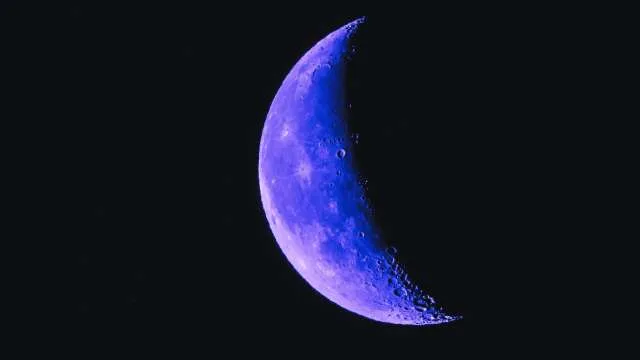
Table of ContentsTap to open
Symbolic Meanings of Dreaming About the Moon in a Dream
- Emotional tides and inner rhythm: The moon frequently reflects your emotional cycles. Like ocean tides it suggests natural rises and falls—periods of intensity followed by calm. Pay attention to any feelings the dream stirs; they often map to current stressors, hormonal shifts, or unresolved emotional rhythms. The moon can prompt you to honor those waves rather than fight them, offering a chance to build better emotion-regulation habits. See how the moon interacts with your environment in the dream to learn which life area is most affected. Tides
- Intuition and receptive energy: Moon dreams often point toward your intuitive side and the softer, receptive aspects of your psyche. When the moon features prominently, it’s an invitation to slow down, listen inward, and trust subtle guidance rather than push for logical answers. These dreams encourage developing practices that strengthen inner sensing—journaling, meditation, or quiet walks—and to act from felt knowing when possible. If the dream includes conversations or insights, hold those as intuitive cues. intuition
- Phases of life and personal growth: The moon’s phases mirror stages of development—starting, building, completing, and releasing. Dreams that show a specific phase are often signaling where you stand in a project, relationship, or self-work. Recognizing this can reduce frustration: a new moon phase suggests planting intentions, while a full moon signals harvest or assessment. Use phase-based insights to set realistic expectations and seasonal goals. seeds
- Shadow work and inner uncovering: Moonlight reveals what daylight hides—your hidden patterns, fears, and unprocessed material. Dreaming of a dim or shadowed moon can point to parts of yourself you avoid. The image calls for gentle exploration: therapy, reflective practices, or creative expression can help integrate those pieces. When the moon exposes secrets or pushes you toward inner work, treat it as an opportunity for healing rather than an indictment. Shadow
- Creativity, receptivity, and rest: Because the moon governs night and inward time, dreams featuring it can ask you to prioritize rest, replenish creative reserves, and cultivate receptivity. Rather than pushing productivity nonstop, the moon’s presence can mean you gain more by allowing ideas to brew. If your dream shows creative symbols—tools, music, flowers—combine that message with the moon’s call to nurture slow processes and cycles.
Common Dreams About the Moon and Their Meanings
Full Moon Dreams
Dreams of a full moon often arrive when something in your life reaches completion or a tipping point. The full moon amplifies emotions and awareness, so dreams during this phase can feel intense—clarity, confrontation, or revelation may surface. If you experience a bright, clear full moon, the dream is likely pointing to insight or a truth finally coming into view; decisions that were murky can suddenly feel clearer. You might notice strong feelings that push you to act, celebrate, or set new boundaries.
On an interpersonal level, a full moon dream can signal that a relationship or project is ready for a new phase—either recognition of achievement or the need for closure. This is a moment to take stock: what has matured, and what requires either celebration or letting go. The full moon’s energy can also flush out anxiety or secrets, so pay attention to any revelations the dream presents and consider journaling them once awake.
Because the full moon increases visibility, it can also highlight imbalances. If the dream leaves you overwhelmed or exposed, treat that as a prompt to find grounding practices—breathwork, a talk with a trusted friend, or concrete planning steps to manage changes. The full moon invites you to translate emotional peaks into practical next moves.
New Moon Dreams
New moon dreams focus on beginnings, intention setting, and the quiet potential beneath the surface. In these dreams you may sense a hush or blank slate—an internal cue that it’s time to plant ideas and commit to small first steps. New moon images often feel subtle rather than dramatic; they ask for patience and a willingness to nurture fledgling plans. If the dream involves digging, placing objects, or symbolic planting, the action is literal: begin tending to a new part of your life. Planting
When a new moon appears, the emphasis is on intention over immediate outcome. Use the dream’s guidance to define clear, manageable intentions rather than overcommitting. This is a fertile moment for creativity and idea generation rather than finishing or launching at full scale. Consider writing three small goals that align with the mood of the dream.
If the new moon dream feels dark or uncertain, it may reflect anxiety about starting anew. That discomfort is normal; it signals the need for trust and small, trust-building actions. Allow the dream to remind you that beginnings require time and that early setbacks are part of the growth cycle.
Waxing Moon Dreams
Dreams that show a waxing moon—growing from new toward full—symbolize momentum, steady progress, and the gradual building of energy. These dreams often follow a phase where you’ve taken initial action and now see signs of development. The waxing moon encourages persistence: small daily choices compound into meaningful change. If your dream shows tasks becoming clearer or resources accumulating, it’s a signal to keep investing in the direction you’ve chosen.
Emotionally, waxing-moon dreams bring a sense of growing confidence and clarity. You may feel more capable or begin to find creative solutions to problems that felt sticky before. The dream can be an affirmation that current plans are aligning and that continued focus will likely yield results. Use the dream’s optimism to structure consistent habits that support the growth phase.
Be mindful of overextending during waxing phases. The moon’s upward arc reminds you to balance energy with self-care so momentum doesn’t lead to burnout. If the dream includes obstacles that are being reduced or smoothed over, treat that as evidence your approach is working—adjust pace, not direction.
Waning Moon Dreams
A waning moon—shrinking after full—marks release, reflection, and the process of letting go. Dreams featuring a waning moon often arrive when you need to surrender control, end a chapter, or clear out what no longer serves you. Emotionally, these dreams can feel quieter, perhaps tinged with melancholy, but their purpose is practical: they invite simplification and rest so new cycles can begin later on.
In a waking context, a waning-moon dream might point to the end of a project, the need to forgive, or the value of stepping back from activity to integrate lessons. If the dream shows physical cleaning, dropping objects, or doors closing, interpret these as literal metaphors for making space. This is a helpful time to archive work, complete loose ends, and create room for the next seed.
Waning moons also ask you to practice self-care: allow downtime and honor the natural contraction of energy. If the dream provokes anxiety about endings, remind yourself that release is a healthy, necessary part of long-term growth. Plan small rituals—journaling, a goodbye note, or symbolic letting-go—to mark transitions.
Blue Moon Dreams
Dreams that include a blue moon—rare, striking, or unusually colored—carry a sense of exception and chance. The blue moon often shows up when life presents an unusual opportunity, a significant coincidence, or a moment that feels “meant to be.” Emotionally, these dreams can feel magical, hopeful, or bewildering; they call your attention to events that may shift your trajectory if you respond deliberately.
Because blue moons are rare, the dream can highlight a “once-in-a-while” decision: an offer, a meeting, or an insight that won’t recur in the same way. If you wake with a sense of urgency or wonder, consider what practical steps you can take to honor that moment—evaluate opportunities, seek counsel, and balance excitement with discernment. The dream encourages openness without impulsivity. See also the symbol of blue to interpret color cues and the broader sense of possibility.
On a personal level, a blue moon dream can invite celebration and gratitude. If the dream shows you dancing, gathering, or receiving, lean into appreciation while making a calm plan to follow through. The dream’s rare quality suggests that even if the event passes, the insight it delivers can stay with you.
Moonlit Landscape Dreams
When the moon lights a landscape in a dream—beach, forest, garden—the scene emphasizes balance between clarity and mystery. Moonlit environments blend serenity with hidden depth, so these dreams often encourage gentle exploration of emotions or life areas you’ve avoided. A moonlit beach may reflect emotional processing, a moonlit forest can mean inner exploration, and a moonlit garden often points to creativity and quiet joy.
These dreams are also invitations to connect with the natural world as an anchor. If the dream places you walking, sitting, or moving through a moonlit place, treat that as an inner-navigation exercise: notice sensory details, mood shifts, and whether you feel accompanied or alone. Those clues guide whether the dream asks you to seek solitude, community, or creative expression.
Practically, moonlit landscape dreams can recommend slowed practices—evening walks, reflective writing, or nature time—to integrate what’s emerging. They remind you that clarity can come in stillness and that beauty and mystery can coexist; honoring both leads to richer, balanced choices.
Moon Gazing Dreams
Dreams in which you gaze at the moon often point to a need for reflection, perspective, and connection with something larger than day-to-day life. Moon-gazing scenes tend to be quiet and contemplative: you may feel awe, longing, or a sense of alignment. The act of looking up signals a call to tune into inner guidance or to step back from busy routines and consider big-picture questions.
If you’re alone while moon gazing in the dream, the message typically leans toward self-exploration and solitude as nourishing; if others join you, the dream can highlight shared meaning, community, or collective insight. Pay attention to whether the moon seems to respond—brightening, dimming, or making gestures—because that interaction can feel like an internal answer to a question you’ve held consciously or unconsciously.
Moon-gazing dreams frequently encourage adopting contemplative habits—meditation, prayer, or creative reflection—to access intuitive clarity. Use the dream’s calm to design a simple nightly routine that fosters the same listening space in waking life.
Moon Phases Dreams
Dreams that present a sequence of moon phases are teaching tools: they show a process and invite you to recognize where you currently stand. Seeing crescents, halves, gibbous shapes, and the full moon in succession can be a roadmap for a long-term project, a relationship, or an inner healing journey. Each phase conveys different practical advice—plant, nurture, harvest, release—so use the progression to plan realistic steps rather than expecting instant results.
These dreams also help you accept timing. If you habitually push for rapid outcomes, moon-phase sequences remind you that some things need incremental attention. The imagery can calm urgency by emphasizing natural pacing and the inevitability of cycles.
When interpreting such dreams, map each phase to a concrete action: where are you planting seeds, where are you refining work, and where must you practice letting go? Translating symbolic phases into a simple checklist will make the moon’s guidance actionable.
Lunar Eclipse Dreams
A lunar eclipse in a dream—where the moon is shadowed or blood-tinted—signals intense change, the surfacing of hidden material, or a dramatic shift in perspective. These dreams can feel unsettling because eclipses temporarily remove an expected source of light. The experience often correlates with turning points: endings, crises, or the sudden need to confront long-ignored issues. The dream asks for courage and adaptability rather than immediate answers.
Emotionally, eclipse dreams can bring catharsis or expose long-buried feelings. They may prompt confrontation with a shadow aspect of self or the need to release a pattern that has outlived its usefulness. If the dream includes community observers—onlookers watching the eclipse—consider whether you feel witnessed or exposed in waking life; that social element matters for interpretation.
After an eclipse dream, practical steps include creating safety and support: talk with trusted people, schedule reflective work, or slow down major decisions. The eclipse’s intensity often precedes renewal; treat the dream as a signal to prepare for significant transformation rather than a permanent loss.
Dreams of a Moon Goddess
Seeing a moon goddess—Selene, Luna, Hecate, or similar figures—in a dream connects you to archetypal feminine wisdom, initiation, and guidance through liminal spaces. These dreams can feel sacred and symbolic, as goddesses represent roles and qualities you may be invited to embody: protector, guide, or creator. The presence of a goddess often points toward embracing intuition, ritual, and deeper self-respect.
Different goddesses carry specific tones: a kindly lunar figure might bring comfort and nurture, while a more mysterious or triple-aspect goddess can indicate initiation, shadow work, or thresholds between life stages. If a goddess speaks or performs rituals in the dream, consider the content of her message as direct counsel—take notes upon waking and revisit them for recurring themes. For additional context on goddess imagery, see this older example: Dreaming of a moon.
Practically, a moon-goddess dream invites you to create small rituals—lighting a candle, holding a quiet circle, or practicing goddess-centered meditation—to honor the qualities the dream presents. These acts help translate symbolic guidance into everyday practices that foster inner resilience and connection.
Moonstone Dreams
Dreams that include moonstone—the shimmering gem linked to lunar energy—often emphasize healing, emotional balance, and enhanced intuition. Encountering a moonstone in a dream can feel like receiving a talisman of calm: it encourages you to soothe rattled nerves and integrate subtle guidance. If you wear, hold, or find a moonstone in the dream, interpret that as an invitation to strengthen your inner compass and practice gentleness with yourself.
These dreams can also point to discovery—new self-knowledge or hidden talents surfacing. If the moonstone glows or reveals something inside it, consider that detail a prompt to explore creative or spiritual gifts you’ve overlooked. The dream suggests that nurturing these qualities will support emotional equilibrium and more confident decisions.
In practical terms, treat moonstone dreams as cues to build quiet routines—breathwork, reflective writing, or gentle creative work—that help you access calm clarity. If the dream involved giving or receiving a moonstone, it may highlight the importance of supportive relationships that honor vulnerability and intuition.
Moonflower Dreams
Moonflowers—white blossoms that open in the dark—carry imagery of mystery, beauty that arises at night, and hidden creative potential. When you dream of a moonflower blooming, the symbol often points to talents, insights, or feelings that surface in quiet moments. These dreams encourage cultivating imagination and paying attention to subtle stirrings that daytime busyness might swallow. See related floral symbolism at flower.
If you pick, plant, or tend moonflowers in the dream, the act suggests active cultivation of inner gifts—practice, patience, and gentle attention will help those gifts open. Picking a moonflower can represent harvesting insight or integrating a newly accepted part of yourself. Planting one hints at long-term nurturing: the results may arrive slowly but richly.
Moonflower dreams often call for creative practice—poetry, art, or quiet study—and for creating nightly rituals that let intuition and imagination breathe. Treat the dream as an encouragement to protect time and space for the inner life to blossom.
Moonlight Sonata Dreams
Hearing or experiencing the Moonlight Sonata—or similar evocative music—within a dream blends lunar symbolism with emotional resonance and artistry. Music in such dreams often amplifies the moon’s mood: reflective, melancholic, or transcendent. When Beethoven’s piece or a comparable melody appears, it may highlight the need to integrate light and shadow through creative expression and to process deep feeling through art rather than purely analytical thought. The dream suggests music or other expressive outlets can help move difficult emotions.
If you are playing or listening to the sonata in the dream, consider how the music’s tone mirrors your current interior climate—are you moving through sorrow, longing, or tender appreciation? The dream encourages using aesthetic experiences as tools for healing and insight. Engaging in music, whether by listening, learning, or composing, can be a practical form of therapy aligned with the dream’s message. For context on piano imagery, see piano.
Moonlight Sonata dreams also invite balance: honor the beauty of feeling without getting stuck in rumination. Translate the dream’s emotional cue into concrete action—schedule a music session, attend a concert, or create a small daily practice that channels feeling into craft.
Moon Tarot Card Dreams
When the Moon tarot card appears in a dream, it often signals uncertainty, hidden currents, and the need for intuitive navigation. The card’s imagery—two animals howling, a crayfish emerging from water, a moon-faced sky—points to the unconscious shaping your present situation. Dream encounters with this card can highlight confusion, illusion, or emotional undercurrents that deserve attention. The dream recommends caution with snap judgments and increased reliance on inner guidance.
If the dream focuses on the card’s elements—howling dogs, rising crustaceans, or reflective pools—consider those as specific clues: communal anxieties, nascent emotional material, or buried memories surfacing. Working with tarot, journaling, or guided introspection after the dream can help translate the symbolism into practical steps and choices.
Ultimately, Moon tarot-card dreams encourage curiosity and self-compassion. They call for inner work that gently illuminates hidden dynamics, and they often precede phases of important personal insight rather than immediate resolution.