
Your dream about a piano can reveal how you process feelings, ambitions, and creative needs; interpreting that piano dream helps you see whether you crave balance, recognition, emotional release, or a fresh start.
Key Takeaways
- Emotional communication: A piano in a dream commonly represents how you express and manage feelings.
- Search for balance: The instrument often points to a need for harmony between different parts of your life.
- Creative potential: Piano imagery can signal artistic urges or untapped talents you want to develop.
- Reflection of mood: The music or condition of the piano can mirror your current emotional state and life pressures.
Table of ContentsTap to open
Symbolic Meanings of piano in a Dream
- Emotional expression: The piano often stands for how you release feelings. Playing it, hearing it, or watching it can represent suppressed emotions that need a safe outlet. If the sound is controlled and clear, it suggests you can express yourself well; if it’s messy, it points to feelings that are jumbled or blocked.
- Need for harmony: Because a piano produces structured, layered sound, it symbolizes a wish to align different parts of your life—work, relationships, and personal values. Seeing a balanced performance suggests things are clicking; a chaotic scene indicates imbalance that deserves attention.
- Ambition and performance: The instrument can reflect pressure to perform or succeed. A grand piano or playing for an audience often signals career goals or the desire for recognition. How you feel in that situation—confident or anxious—reveals your inner attitude toward those goals.
- Creativity and potential: A piano can be a symbol of creative talent waiting to be explored. Dreaming of learning or composing implies you’re ready to try new things or develop skills; avoiding the instrument may mean fear of failure is holding you back.
- Loss and repair: A broken or neglected piano usually points to unresolved wounds, missed opportunities, or neglected parts of yourself. The state of the instrument gives clues about whether the issue is recent damage or a long-term problem.
Common Piano Dreams and Their Interpretations
Playing a Piano
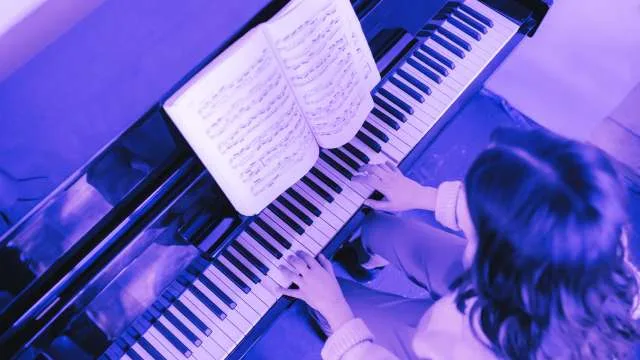
When you dream of playing a piano, it often highlights your relationship with self-expression. How you play—confidently, tentatively, or chaotically—gives a direct reading of how you handle feelings and creative impulses in waking life. Confident playing suggests you feel capable sharing your ideas; fumbling fingers may point to self-doubt.
Pay attention to the music produced. Smooth, intentional melodies usually indicate emotional clarity and a sense of personal rhythm. If the music is dissonant or off-key, it can show internal conflict, stress, or a need to slow down and reassess how you communicate your needs.
Practical steps: notice where the pressure comes from in the dream—audience, stage, or your own expectations. If fear of judgment appears, practicing small acts of expression in waking life can help. If joy and flow dominate, the dream encourages you to expand that creative channel.
Grand Piano
Dreams featuring a grand piano often magnify themes of ambition and status. The size and elegance of a grand piano point to large goals or high standards you hold for yourself. Seeing one in a prominent space may reflect readiness to take on a major project or to be seen for your skills.
Context matters: playing a grand piano in front of people suggests a desire for public recognition or fear of public scrutiny. A neglected grand piano may indicate that high expectations are causing stress or that you feel a gap between your potential and current reality.
Actionable insight: use the image as a prompt to clarify priorities. If the piano feels empowering, consider steps to move toward visible goals. If it feels heavy or intimidating, break ambitions into smaller, manageable pieces to reduce performance pressure.
Hearing Piano Music
Hearing piano music without seeing the instrument often symbolizes subtle emotional cues coming from your subconscious. The tone, tempo, and mood of the music are important—soft, slow pieces can signal comfort and inner calm, while jarring or erratic music can reflect anxiety or unresolved tension.
This kind of dream may also bring memories or associations tied to certain songs or styles. If a specific melody triggers emotion, it can point to an underlying memory or relationship that needs attention. The music acts like a backdrop, coloring how you feel about current life events.
To interpret: note your emotional reaction in the dream—do you feel soothed, uneasy, nostalgic? Use that feeling to map back to waking concerns. If the music soothes you, cultivate more of that calm; if it disturbs you, explore what’s causing the unrest and consider small changes to reduce stress.
Broken Piano
Seeing a broken piano in your dream typically signals setbacks, loss, or a part of your life that feels dysfunctional. The exact damage—broken keys, cracked body, missing parts—helps identify whether the issue affects your ability to make decisions, express yourself, or maintain emotional health. For example, Keys that won’t work can point to feeling unable to act or communicate effectively.
These dreams often urge repair rather than abandonment. A damaged instrument suggests something valuable has been neglected: a relationship, a personal skill, or mental well-being. The dream invites you to consider restoration—repairing what you can and letting go of what’s beyond fixing.
Practical approach: identify which parts of your life feel “broken” and list small, tangible repairs—apologizing where needed, seeking support, or relearning a lost skill. If emotions feel overwhelming, reaching out to someone you trust can help begin the repair process.
Teaching Piano
Dreams where you teach someone to play the piano often reflect your role as a guide or mentor in real life. Teaching in a dream can indicate you are ready to share knowledge, help others grow, or take leadership in a personal or professional setting. The student’s progress in the dream mirrors how effective or frustrated you feel in that role.
If the student learns quickly and responds enthusiastically, the dream affirms your ability to influence others positively. If the student struggles or resists, it may reveal communication challenges or doubts about your teaching methods and patience.
The presence of a teaching scenario can also point inward: you might be the one who needs mentoring. Consider who in your life could offer guidance, or reflect on whether you need more practice and support before you feel confident sharing your expertise with others. The original anchor for this idea appears in the phrase teaching, which connects this image to broader themes of guidance and learning.
Buying a Piano
Buying a piano in a dream usually symbolizes investment—either emotional or practical—in your future. Choosing to purchase the instrument suggests a commitment to personal growth, whether through learning, taking creative risks, or dedicating time to a meaningful pursuit. The type of piano you pick gives clues about the scale of your commitment.
Opting for a high-end or grand instrument points to big ambitions or a willingness to invest significant resources. Choosing a used or inexpensive piano suggests a more cautious approach, where you rely on past lessons and incremental progress. The dream is inviting you to acknowledge how much you are willing to invest in yourself.
Reflect on recent decisions: are you prepared to spend time, money, or emotional energy on a new path? If the dream references learning from past mistakes, note that past experiences can become a resource rather than a burden when you plan thoughtfully.
Piano Recital
A piano recital in a dream centers on vulnerability and public exposure. Playing or watching a recital brings up questions about how you want others to see your talents and imperfections. Performing well suggests readiness to be visible; performing poorly highlights fear of judgment or shame about showing your true self.
Being an audience member in such a dream shifts the lens: you may be evaluating others or feeling judged by peers. This perspective can reveal social comparison, envy, or admiration, depending on your emotional response. The dream asks you to consider how external opinions shape your choices.
Use the recital image to choose a course of action: if the dream left you proud, look for opportunities to share work publicly in manageable steps. If it left you anxious, practice vulnerability in safe settings, gather supportive feedback, and reframe mistakes as part of growth rather than failure.
Piano in an Unusual Location
Finding a piano somewhere it doesn’t belong—on a beach, in a forest, or a rooftop—symbolizes feeling out of sync with your surroundings. That contrast highlights a part of you that doesn’t match current circumstances. The odd placement points to opportunities or talents that seem incongruent with where you are right now.
Different settings add nuance: a piano in a forest may suggest private creativity growing in solitude, while one on a beach could signal emotional openness and a desire for calm. The unexpected location often acts as an invitation to explore unconventional ways to express yourself. The phrasing Finding a piano captures this sense of discovery amid surprise.
To use this dream, map the strange location to your waking life—are you in a place that feels limiting or oddly freeing? Consider experimenting with new environments for your work or creativity, or accept that growth can happen in surprising contexts without waiting for “perfect” conditions.
Ghost Playing the Piano
When a ghost plays the piano in a dream, it often points to unresolved past experiences that still influence your emotions. The ghost represents lingering memories, habits, or expectations that appear to guide current behavior even when you’re not consciously aware of them. The music reflects the emotional tone of those memories—haunting, sorrowful, or bittersweet.
If the music is melancholic, the dream may highlight unresolved grief, regret, or a relationship that needs closure. If the melody feels cheerful, it might point to positive memories that still affect your choices and create a longing for days gone by. Either way, the image signals that past material is active in your internal life.
Consider what part of your history feels present in daily decisions. The dream invites gentle investigation—journaling, talking with a trusted friend, or working with a counselor can help you identify and integrate those past experiences. The original content ties this image to the idea of a ghost, underscoring the need to address what lingers rather than letting it dictate the soundtrack of your life.