
Dreaming about a battleship usually points to how you handle major struggles, protect yourself, and marshal inner resources when life feels threatening or uncertain.
Key Takeaways
- Battleship dreams often reflect conflict, protection, or a call to strengthen personal boundaries.
- They can signal either preparedness and control or anxiety and overwhelm, depending on context.
- Details — location, condition of the ship, and whether you’re with others — change the meaning significantly.
- These dreams invite practical action: build support, clarify what you’re defending, and decide when to let go.
- Not every battleship dream is literal; many images point to emotional strategy, leadership, or stalled progress.
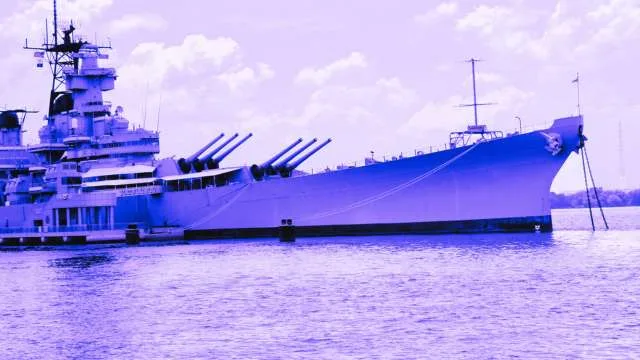
Table of ContentsTap to open
Symbolic Meanings of Dreaming About a Battleship
- Protection and Defense: A battleship often stands for the urge to guard yourself—emotionally, socially, or professionally. In dreams it can mean you are preparing to protect boundaries or defend your interests. The size and readiness of the ship suggest how confident you feel in those defenses.
- Authority and Leadership: Large naval vessels symbolize command and organization. Seeing a battleship can indicate you’re stepping into a leadership role, or you’re evaluating how much control you want over a situation. It can highlight responsibility, chain-of-command thinking, or the pressure of making big decisions.
- Conflict and Confrontation: Battleships are built for battle; in a dream they often point to ongoing disputes, inner tensions, or upcoming confrontations. The dream may be urging you to face an issue directly, or warning that an aggressive stance could cause collateral damage.
- Emotional Resilience: A sturdy ship navigating rough seas can represent inner strength and stamina. If the vessel holds steady, it suggests you have resources to cope. If it struggles, the dream may be signaling burnout or the need to shore up emotional reserves.
- Stalled Progress or Vulnerability: A disabled, abandoned, or sinking battleship highlights a sense of being stuck, overwhelmed, or unsupported. These images can push you to ask what’s blocking forward motion and who or what you rely on for help.
- Transformation and Renewal: When a battleship is damaged and then rebuilt or rises from ruins, the dream can represent letting go of old defenses and developing a new, healthier approach—rebirth through upheaval rather than defeat.
Common Battleship Dreams and Their Interpretations
Dreaming of Being on a Battleship
When you dream that you are aboard a battleship, the image typically focuses attention on your role in a conflict or challenge. Are you a passenger, a crew member, or in command? If you’re steering or giving orders, the dream is highlighting leadership, responsibility, and your willingness to take charge of difficult circumstances. It asks whether you have the clarity and resources to guide others or yourself through turbulent times.
Being on deck and surveying the horizon emphasizes strategy and vigilance. You may be planning steps ahead, weighing risks, and positioning yourself to respond effectively. This can be empowering—an affirmation that you have a plan and an inner compass. If the ship feels cramped or chaotic, however, it signals stress about coordination and whether you can trust others to play their roles.
Physical sensations matter: feeling steady suggests confidence; persistent rocking suggests unease. If the dream includes the Dream Symbol of navigation—maps, compasses, or charts—it points to a need for clearer direction in life. Practical takeaway: identify the decisions you’re avoiding and outline one small tactical step to regain control.
Dreaming of a Sinking Battleship
Seeing a battleship sink is one of the more alarming images, often tied to fears of failure, loss of status, or the breakdown of a system you rely on. It may reflect a relationship, job, or belief structure that’s irreparably damaged. The sinking can represent grief about what’s ending and anxiety about survival once safety nets collapse.
How you react in the dream matters: do you try to save the vessel, abandon ship, or watch from shore? Attempting to patch or salvage it suggests resistance to change and a willingness to fight to preserve what’s familiar. Leaving the ship implies acceptance and readiness to move on. Watching from a distance can mean you’re processing the loss intellectually rather than emotionally.
Emotionally, the sinking image invites you to assess where you’re clinging to outdated forms of protection and whether adaptation would conserve more energy than repair. Practical steps: consider what to let go of, what you can realistically repair, and who can help you rebuild after the loss.
Dreaming of a Battleship at War
A battleship actively engaged in war imagery signals acute conflict—external confrontation or internal turmoil. This dream tends to appear during periods of high stakes, when you feel attacked, challenged, or compelled to defend your position. It can reflect an ongoing dispute at work or in family dynamics where everything feels adversarial.
Observe whether you’re an aggressor, defender, or observer. Leading strikes points to an assertive stance—willingness to fight for goals—while being attacked indicates vulnerability and the need to shore up defenses or seek allies. Being a spectator suggests detachment or anxiety about consequences without direct involvement.
On a practical level, this dream encourages evaluating the cost of conflict: is confrontation necessary to protect important values, or is negotiation a wiser path? It also asks you to consider alliances and whether you need to recruit support rather than fight alone.
Dreaming of a Battleship in Calm Waters
A battleship at ease on mirror-still water represents emotional steadiness and effective control. The image suggests that your defenses are functioning without constant activation—you can maintain boundaries without constant vigilance. It’s a positive sign of balance, indicating you have the capacity to remain composed even when potential threats exist.
This dream can also imply readiness: the ship is prepared and capable but not compelled to act. It invites reflection on whether you’re prepared to take action if needed, and whether you feel secure enough to pause and plan. Calm waters also encourage introspection; the quiet surface makes it easier to hear inner signals.
Use this dream as an opportunity to consolidate gains: reinforce healthy routines, deepen supportive relationships, and map long-term strategies. Practically, document what’s working now so you can replicate these conditions when challenges return.
Dreaming of a Battleship Under Attack
When a battleship comes under assault in a dream, the emotion is often acute stress, alarm, or a sense of being overwhelmed. This scene reflects periods when pressures converge—personal, professional, or social—and you feel besieged. The attack could also be symbolic: criticism, betrayal, or a sudden challenge that removes your sense of control.
How you respond—fighting back, seeking shelter, or escaping—reveals coping strategies. Defending aggressively may be adaptive if you’re protecting boundaries, but it can also escalate conflict. Retreating or seeking help suggests awareness of limits and willingness to preserve safety and regroup.
Practical insight: determine which threats are immediate and which are perceived. Identify one or two concrete supports—trusted people, plans, or resources—to reduce vulnerability. Make a short “defense plan” that prioritizes safety and sustainable coping.
Dreaming of a Battleship in a Storm
Storms introduce chaos and unpredictability; a battleship struggling through a tempest speaks to emotional upheaval or complex stressors that test endurance. The dream emphasizes resilience—how well you maintain direction under pressure—and whether current coping tools are sufficient for turbulent conditions.
If the ship weathers the storm, the dream affirms your ability to survive crises and learn from them. If it falters or takes on water, it signals the need to shore up supports and reduce exposure to prolonged stress. Crew behavior during the storm—calm versus panicked—also reflects your internal state and available social resources.
Actionable advice: create practical routines to manage stress (sleep, boundaries, small daily wins). Accept that storms are part of life and plan for recovery time rather than assuming immediate return to normalcy.
Dreaming of a Battleship at Night
Nighttime scenes focus attention on the unknown and subconscious. A battleship operating under cover of darkness often suggests you’re navigating unclear choices or hidden emotions. It may indicate that important information is missing, or that intuition and inner guidance need to be trusted more than visible signs.
Operating successfully at night implies comfort with ambiguity and confidence in inner navigation. Getting lost or colliding in the dark indicates confusion, suppressed worries, or fear-driven decisions. Night dreams often call for gentle curiosity—explore feelings and memories that surface rather than forcing answers.
Practical step: schedule quiet reflection and journaling to bring hidden concerns into awareness. Seek safe conversations with a trusted person who can help you illuminate options without judgment.
Dreaming of an Abandoned Battleship
An empty, neglected battleship conveys themes of loss, outdated defenses, and opportunities left unrealized. This dream may reflect areas where you once invested energy—relationships, careers, identities—that no longer serve you. The abandoned vessel suggests it’s time to evaluate whether to restore, repurpose, or let go.
Exploring the ship in the dream—finding rust, broken instruments, or personal artifacts—reveals what aspects of the past still hold emotional weight. Repairing parts of the ship signals a desire to reclaim strength; walking away signals acceptance and readiness for new directions.
Use the dream as a prompt to inventory commitments that drain you. Decide on one small restoration project (reconnect with a mentor, update skills) or one clear release (cancel an obligation) to free space for growth.
Dreaming of a Battleship with a Broken Engine
A battleship that cannot move reflects perceived stagnation: goals feel stalled, energy is low, or decisions are blocked. The engine image centers on motivation and capacity—are you out of fuel, lacking tools, or waiting for outside help? This dream highlights the need to diagnose the cause before choosing a fix.
Trying to repair the engine in the dream points to active problem-solving and resilience; waiting for a tow or help suggests reliance on external support. Abandoning the ship communicates surrender or acceptance that a path is no longer viable. Each response implies different next steps in waking life.
Practical response: perform a realistic assessment—what resources are missing? Create a short list of three concrete fixes (skill, support, funding) and the first micro-step for each to restart forward motion.
Dreaming of a Battleship with a Crew
When a battleship is populated and functioning, the dream highlights teamwork, shared purpose, and social resources. The crew’s mood and coordination reveal the quality of your support network: a disciplined, calm crew signals reliable allies; confused or mutinous crew behavior signals friction, mixed commitment, or leadership challenges.
Taking a leadership role on a crewed ship suggests accepting responsibility for others’ well-being and decision-making. Observing a competent crew can affirm that you’re not alone and that collaborative approaches will accelerate progress. Conversely, a dysfunctional crew invites reflection on whom you trust and where boundaries or communication need repair.
Actionable step: identify two people who function as your “crew” and ask for one specific kind of help. If leadership is required, practice clear delegation and feedback loops rather than assuming others will intuit your needs.
Dreaming of a Battleship with No Crew
A deserted battleship highlights isolation and self-reliance. This dream can feel empowering—an opportunity to steer your own course—or frightening, pointing to loneliness, lack of support, or the pressure of handling everything alone. It forces you to consider whether independence is chosen or imposed.
Navigating alone suggests competence and personal agency; searching for a crew implies awareness of a need for connection and a willingness to change that. Abandoning the empty ship suggests relinquishing responsibilities that feel unsustainable.
Practical takeaway: if solitude is draining, map one realistic step to build connection (reach out to a colleague, join a group). If solitude is restorative, set clearer boundaries to protect that space and celebrate your autonomy.
Dreaming of a Battleship on Fire
A battleship engulfed in fire is vivid, usually pointing to intense emotional transformation, anger, or the rapid dismantling of old structures. Fire can be destructive and purifying—this dream often marks an intense transition where old defenses combust so new forms can emerge.
Trying to extinguish flames indicates efforts to control overwhelming feelings or to stop a self-destructive pattern. Watching the blaze from a distance can mean acceptance of necessary change. If the ship later rises from the ashes, the dream emphasizes rebirth and the emergence of a new identity shaped by loss and renewal.
Practical advice: treat this as a signal to process strong emotions safely—speak with a trusted person, practice grounding techniques, and prioritize physical safety. Recognize that intense endings can clear space for creative reinvention.
Dreaming of a Battleship in a Harbor
A battleship docked in a harbor symbolizes refuge, regrouping, and the search for community. Harbors are natural places to repair, resupply, and plan—this dream suggests a period where you seek safety and recalibration rather than action. It can also reflect a desire for belonging or a need to reconnect with roots.
Docking the ship yourself signals a deliberate pause to assess and plan next steps. Leaving port implies readiness to embark on a new mission with replenished resources. Observing from the shore can indicate a longing for security or involvement without the perceived burden of responsibility.
Use this image to create a practical shore plan: identify what refueling looks like for you (rest, counseling, skill-building) and set a schedule for how long you will stay in “port” before testing the seas again.