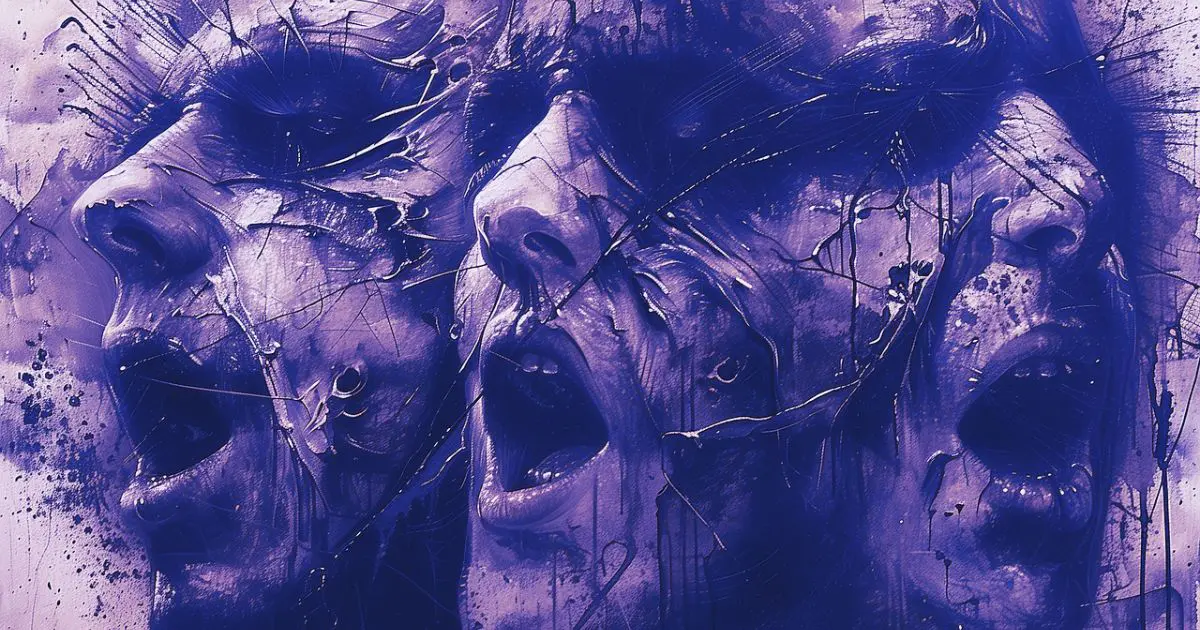
War dreams often mirror internal battles, signaling stress, unresolved conflicts, and the pressure to make major shifts in your life; this article explains what war dreams mean, how they reflect your emotions, and practical ways to interpret them so you can move forward with clarity.
Key Takeaways
- War dreams usually point to inner conflict, stress, or a major life transition that feels confrontational.
- These dreams can show a clash between parts of yourself—values, desires, or fears—that need attention.
- Specific details (role, outcome, setting) sharpen the meaning and suggest whether you feel empowered or stuck.
- Reflecting on feelings during the dream helps turn unsettling images into useful insight and action.
- Tracking patterns in war dreams can reveal repeating issues that benefit from conscious change or support.
Table of ContentsTap to open
Symbolic Meanings of War Dreams
- 1. Internal conflict: War imagery often stands for competing parts of your personality—duty versus desire, safety versus risk, or logic versus emotion—asking you to reconcile these sides.
- 2. Life transition: A war scenario can signal a major change or decision point where old structures collapse and something new must emerge.
- 3. Power and control: These dreams reveal how you experience control—whether you feel able to influence events or swept along by forces beyond you.
- 4. Repressed feelings: Battles in dreams frequently map to anger, grief, or fear that hasn’t been safely expressed in waking life.
- 5. Boundary issues: War images can point to relationships or situations where your limits have been violated and you must take a stand.
Common War Dreams and Their Interpretations
Fighting in a War
When you dream of fighting on the front lines, the scene usually reflects an ongoing struggle you identify with—something you feel personally responsible for resolving. This might be an internal fight, such as trying to overcome self-doubt, or an external one, like a conflict at work or with a loved one. Pay attention to whether you are acting or reacting in the dream; acting suggests agency, reacting suggests feeling pressured.
The outcome and your role matter. If you win or gain ground, the dream often affirms that your efforts are effective and you’re developing resilience. If you lose or retreat, it can indicate overwhelm or a need to regroup and change strategy. Dreams of fighting alongside others imply you have allies; fighting alone can point to isolation or the belief that you must carry a burden by yourself.
Specific images give practical cues. Weapons, fatigue, or injuries can symbolize the tactics you use in waking life—aggressive approaches, burnout, or emotional wounds. If your dream includes the word or sight of defeated, it may reflect a fear of failure rather than an actual loss—an invitation to reframe challenges as learning, not final verdicts.
Being a Prisoner of War
Feeling captured or confined in a war scenario points to areas in life where you feel restricted—by a relationship, a job, expectations, or even your own beliefs. This dream highlights a tension between wanting freedom and feeling constrained. Notice whether your captors are strangers, authority figures, or familiar people; that clue shows whether the restriction feels external or self-imposed.
Dreams of escape often carry hope: you are mentally preparing to break free from limiting patterns. If the dream emphasizes interrogation, surveillance, or loss of voice, it signals that you feel judged or silenced in waking life. Repeated dreams of captivity can push you to identify small steps toward autonomy—setting boundaries, asking for help, or planning an exit strategy.
Extreme imagery like torture or sustained suffering asks you to name long-held pain. A gentle approach is to journal what you most want to be free of. The emotions that linger after waking—anger, shame, sadness—are the most useful guide to where change is needed and what kind of support would help you reclaim choice.
Witnessing a War from a Distance
Observing conflict from the sidelines shows you may feel disconnected from a confrontation in your life—aware that something important is happening, but unsure how to participate or whether you should intervene. This distance can be protective or passive, depending on whether you feel capable of stepping in. The dream invites you to consider where detachment keeps you safe and where it limits your influence.
Watch for feelings of helplessness versus clarity. If you feel paralyzed, the dream highlights anxiety about taking action. If you watch with curiosity, you might be in a processing phase—gathering information before you decide. Sometimes this dream is a call to move from observer to engaged problem-solver in relationships, at work, or within your own mind.
Role cues matter: if you see yourself as a journalist or recorder, you’re trying to make sense of events and keep perspective. If destruction dominates the scene, you may be witnessing the fallout of unaddressed conflict and are being asked to notice consequences before they become permanent.
Being a Medic in a War
Acting as a healer among chaos reflects your nurturing instincts and the emotional labor you may be performing for others. This dream honors compassion but also warns about running out of resources: tending to others in crisis can lead to burnout if you don’t care for yourself. Note whether you feel competent or overwhelmed in the role—that feeling maps to how supported you really are.
Practical meaning: if you keep patching people up, you may be fixing situations without addressing root causes. If you run out of supplies, it points to limits in your energy or boundaries. This dream can be an invitation to delegate, seek help, or allocate time to refill your reserves so your support is sustainable.
Witnessing severe injury or death as a medic signals a need to process grief or losses you’ve been holding for others. It also encourages you to find rituals or practices—rest, therapy, peer support—that restore your capacity to care without sacrificing your well-being.
Dreaming of a Nuclear War
Nuclear explosions in dreams dramatize extreme fear: the sense that something irreparable might happen. These images often occur during times of intense stress or when you feel that change will be total and overwhelming. The scale of the event points to anxiety about life-altering outcomes, not necessarily literal danger.
If you survive a blast in your dream, it’s a powerful symbol of resilience—you may feel battered but capable of rebuilding. If you hide in shelters or seek protection, the dream reflects strong survival instincts and a desire to find safety. This can be healthy, but prolonged sheltering signals avoidance of necessary change.
Futuristic or widespread destruction invites you to ask where you feel helpless about large systems—workplace upheaval, global issues, or rapid change in technology. Respond compassionately: name what feels out of control, identify what you can influence, and take small actions that restore a sense of agency.
Being a Spy in a War
When you dream of sneaking, gathering intelligence, or hiding intentions, it often means you’re navigating complicated social dynamics where discretion feels necessary. This role points to situations requiring strategy—maybe you’re testing waters at work or protecting vulnerable feelings. The spy’s secrecy reflects caution or mistrust.
Fear of being discovered signals anxiety that your real motives or vulnerabilities might be exposed. If you successfully infiltrate, the dream can indicate effectiveness in understanding others and gathering information to make better choices. If you’re caught, that reveals a fear of reputation damage or the consequences of being honest.
Passing notes, trading secrets, or listening in suggests you value insight and context. Use this awareness: rather than acting from secrecy long-term, consider where careful transparency would reduce stress and improve connections. The spy theme is an invitation to balance caution with integrity.
Dreaming of a Civil War
A civil war scene—neighbors or families in conflict—usually mirrors inner division or split loyalties. It can point to tension between competing beliefs, cultural identity struggles, or moral dilemmas. This dream asks you to look at where you feel torn and which loyalties create stress or block movement.
If you’re forced to choose sides, the dream reflects decision fatigue and the pain of alienating parts of yourself or others. If you act as peacemaker, it signals a desire to reconcile opposing forces and restore balance. Dreams of internal civil strife often show up during major choices about values, relationships, or career direction.
Witnessing close people fight highlights relational rifts that likely affect you. The image of “brother against brother” underscores how internal conflict can damage the ties you care about; it’s a prompt to open honest dialogue, set clear boundaries, or seek mediation when necessary.
Being a Child in a War
Seeing yourself as a child amid conflict highlights vulnerability, old wounds, or emotional parts of you that need protection. These dreams often surface when current stress triggers early life fears—feeling small, powerless, or dependent. The child’s perspective points to needs for safety, comfort, or guidance now.
Hiding or seeking adults in the dream points to a craving for reliable support. If you find care or refuge, the dream reassures that healing resources are available. If no one helps, it flags unresolved childhood hurts or patterns that still influence your choices and relationships.
Witnessing violence as a child can resurface past trauma. Treat this dream gently: note emotions it evokes and consider safe ways to process them—talk therapy, grounding exercises, or creative outlets that let the inner child feel heard and soothed.
Dreaming of a War in the Past
Scenes set in historical wars often symbolize unresolved material from your own past. This imagery can pull up older traumas, family dynamics, or decisions that still shape how you react to stress. The past-war setting signals that the issue likely began long ago and may require revisiting to heal.
If the dream places you in a specific historical context, consider personal or family stories from that era that still carry weight. These dreams encourage linking present symptoms—anxiety, reactivity, avoidance—to earlier events. That connection helps you address the root rather than only symptoms.
Noticing cues like outdated gear or technology is meaningful; seeing old technology or period details suggests patterns that no longer fit your life. The dream invites you to re-evaluate habits inherited from the past and decide which to keep, update, or discard as part of moving forward from your past.
Being a Deserter in a War
Running away or abandoning a post reflects a desire to escape pressure, commitment, or expectations that feel impossible to meet. This dream can bring up guilt, relief, or both—mixed emotions that point to the complexity of leaving a role that no longer fits. It’s not always about cowardice; often it’s about self-preservation.
Hiding from authorities in the dream suggests fear of judgment or consequences for making a different choice. Seeking refuge in a foreign land can symbolize looking for a clean slate or a new identity where old rules don’t apply. Feeling liberated in the dream may show you’re ready for change.
Use this dream as a guide: ask what responsibilities drain you and which commitments still align with your values. If leaving is the healthiest option, plan an exit anchored in compassion and practicality. If staying matters, identify supports that make continued effort sustainable.
Dreaming of a War in the Future
Futuristic battle scenes—high-tech weapons or alien invaders—capture anxiety about uncertainty and rapid change. These dreams often surface when you feel the pace of life, technology, or societal shifts threatening your sense of safety or identity. They point to fear of being unprepared for what’s ahead.
Images of advanced weaponry may mirror concerns about how technology affects jobs, relationships, or privacy. Encountering strange beings can represent feeling like an outsider in a changing culture. If you find yourself fighting with unfamiliar tools, it’s a signal to learn new skills or adapt your strategy so you’re less reactive and more resourceful.
Sometimes the dream directly quotes research or articles; you might even see phrases like Dreams of futuristic wars in your mind because trauma or stress amplifies fears about the unknown. Use practical steps—education, community, planning—to convert anxious energy into preparedness and resilience while staying grounded in what you can control.
Being a War Correspondent
Dreaming that you are reporting from conflict zones points to a role where you observe, interpret, and share difficult truths. This scenario often appears when you’re trying to translate chaotic experiences into meaning—writing, speaking, or teaching about what you’ve seen so you and others can understand it better. It’s a reflective position rather than a combative one.
Interviewing soldiers or civilians in your dream highlights curiosity about different perspectives and a desire to bear witness. If you feel endangered while reporting, that mirrors vulnerability you experience when being honest or publicly visible. The dream asks whether sharing your story feels risky and how to protect yourself while doing it.
Writing or broadcasting reports in the dream shows you are processing and articulating emotions. It encourages you to communicate clearly but also to seek support—editors, peers, or therapists—who can help you shape raw experience into something useful for both you and your audience.
Dreaming of a War Between Good and Evil
War framed as a cosmic struggle of good versus evil often points to moral, spiritual, or ethical conflicts you’re grappling with. This dramatic imagery can reflect strong values clashing—your ideals versus actions you find harmful. The dream heightens stakes to help you see choices more clearly.
Fighting on the side you see as good suggests commitment to principles and a readiness to defend them. Confronting evil forces may be a symbolic call to act against injustice in your life or community. If you witness a cosmic battle, it can signal existential questioning—you may feel your decisions have far-reaching impact.
Use this dream to clarify your ethical priorities. Ask which actions align with your values and which compromise them. Standing up in small, consistent ways often matters more than dramatic gestures, and this dream can motivate you to choose integrity in daily life.