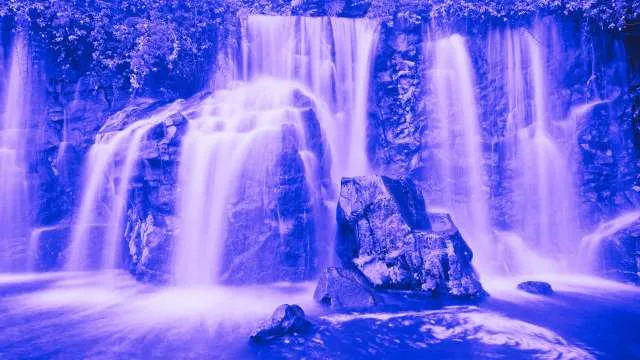
Waterfall dreams point directly to how you’re managing emotions and change: they often show emotional release, inner cleansing, and moments of major personal shift related to your relationships, stress, or spiritual growth.
Key Takeaways
- Waterfall dreams typically signal emotional movement—release, overflow, or renewal.
- They can mark transition points: endings, new beginnings, or the need to let go.
- Details like dry, frozen, or nighttime waterfalls change the message dramatically.
- Context—where you stand, who’s present, and your feelings—shapes the interpretation.
- These dreams invite practical steps: emotional processing, reflection, or seeking support.
Table of ContentsTap to open
Symbolic Meanings of Waterfall Dreams in a Dream
- Emotional release and cleansing: A flowing waterfall often symbolizes pent-up feelings finally moving through you. It suggests that stored stress or grief is finding an outlet and that emotional recovery or relief is possible if you allow the process.
- Transformation and transition: Waterfalls mark a clear before-and-after moment. Dreaming of one can signal that you’re at a turning point—leaving a known phase and entering something unfamiliar that will reshape your perspective.
- Overwhelm versus surrender: Strong, roaring falls can mean you feel overwhelmed; gentle falls hint at a peaceful letting-go. The dream reveals whether you’re resisting change or beginning to trust it.
- Spiritual or psychological depth: Waterfalls often point to deeper inner work. They can represent a spiritual cleanse or the uncovering of subconscious material that needs attention.
- Creativity and life force: Flowing water is life energy—if the waterfall is vibrant, it can be a sign of creative renewal and renewed motivation.
Common Waterfall Dreams and Their Interpretations
Swimming in a Waterfall
Dreaming of swimming in or near a waterfall suggests you are actively engaging with strong emotions rather than avoiding them. You might be learning to move through difficulties with confidence, using your skills to stay afloat in uncertain waters.
This scenario often shows emotional resilience: you can face turbulent feelings and still maintain control. If the water feels warm or safe, it implies healing; if cold or choppy, it signals persistent emotional challenges to address.
Practically, this dream encourages developing coping strategies—breathing, setting boundaries, or asking for help—so you can navigate emotional tides without being swept downstream.
Falling Over a Waterfall
Dreams of falling over a waterfall often capture a sense of losing control—life events or feelings push you into the unknown. The initial fear reflects anxiety about consequences, while what happens after the fall reveals the deeper message.
If you survive the fall or find calm waters below, the dream is hopeful: it means that confronting fears can lead to renewal or new opportunities. If the fall feels endless or terrifying, it may indicate unresolved stress or a need to reduce pressure in waking life.
Use this dream as a prompt to list what’s causing you to feel out of control and take one small, concrete step to regain footing—delegate a task, talk to someone, or slow down your schedule.
Standing at the Top of a Waterfall
Standing at the edge suggests a vantage point: you’re close to making a big decision or about to take a risk. The height emphasizes perspective—seeing the whole situation and the potential consequences of stepping forward.
Your emotions in that moment matter: excitement and calm imply readiness; fear and hesitation point to doubts that need honest reflection. This dream asks whether you are choosing growth or staying within a comfort zone.
It often invites a practical risk assessment: weigh pros and cons, gather information, and prepare a safety plan so the leap becomes intentional rather than impulsive.
Standing at the Bottom of a Waterfall
Standing beneath a waterfall places you where emotions land—direct exposure to feelings, possibly cleansing or overwhelming. This position can symbolize that you are processing deep emotions and may be ready for healing or change.
If you feel refreshed, the dream shows renewal and emotional release; if you feel crushed by the water’s force, it signals burnout or pressure that needs addressing. The bottom of the falls is where inner work often happens.
Consider practices that restore balance: journaling to process feelings, therapy for deeper wounds, or simple rest and boundaries to reduce emotional overload.
Dry Waterfall
A dry waterfall points to stagnation: the usual energy or emotional expression has slowed or stopped. You might feel disconnected, uninspired, or emotionally numb in one area of life.
This image warns that something that once nourished you has diminished—perhaps a relationship, a creative pursuit, or your sense of purpose. The lack of flow asks you to identify what’s been damming your energy.
Actionable steps include checking whether you’ve been avoiding feelings, rekindling a lost interest, or reaching out to someone who can help reignite motivation and emotional connection.
Frozen Waterfall
A frozen waterfall reflects emotions put on hold or a situation that feels cold and immobile. It can mean you’ve shut down emotionally in response to pain or fear, and change feels blocked right now.
Climbing a frozen fall in the dream suggests the effort required to thaw those feelings; watching it melt signals gradual emotional return. This dream invites patience and gentle work rather than forceful solutions.
Practical responses include small acts that warm your inner life—creative outlets, safe conversations, or gentle self-care—to break the ice without causing more harm.
Waterfall in a Forest
A waterfall in a forest blends emotional flow with natural growth and privacy. It often points to reflective healing—time alone to process feelings and to rediscover grounding within nature or solitude.
The forest setting suggests your inner landscape is fertile for growth, yet complex and layered. You may be navigating many feelings at once, but the environment encourages slow, organic progress rather than rushed fixes.
Consider stepping back from public pressures and giving yourself quiet time—walks, meditation, or reflective journaling—to let the natural rhythm of healing guide you.
Waterfall in a Cave
Dreaming of a waterfall in a cave points directly to subconscious material—emotions and memories that dwell below conscious awareness. The hidden, echoing space suggests there are parts of your inner life waiting to be explored.
This scene can be intense: you may discover buried needs, fears, or creative impulses. Entering such a cave in the dream implies readiness to face what’s been concealed, and uncovering meaning often follows.
Approach these discoveries gently: therapy, creative exploration, or guided reflection can help you integrate what you find without being overwhelmed by it.
Waterfall at Night
A waterfall at night highlights uncertainty, intuition, and the less-visible parts of your emotional life. Darkness brings mystery—you may be sensing shifts you don’t fully understand, guided more by instinct than by facts.
This dream asks you to trust inner signals: if a moon or stars appear, it points to helpful intuition or spiritual guidance; if the scene feels ominous, it warns against going forward without more clarity.
Balance intuition with small practical checks: pause before major moves, talk things over with a trusted person, and notice recurring feelings that arise in quiet moments.
Waterfall in a City
A waterfall appearing in an urban setting contrasts natural emotion with structured, social life. This image often signals a desire to integrate feeling and responsibility—bringing more authenticity into busy, public routines.
If the city is crowded, you may feel exposed or pressured to perform despite deep emotional needs. If the city is empty, the dream can point to loneliness or a sense of disconnect despite outward success.
To respond, create urban-friendly rituals that restore you—short nature breaks, mindful pauses during the day, or honest conversations to balance professional roles with inner life.
Waterfall and a River
A waterfall connected with a river emphasizes continuity: your emotions are part of a longer current, not isolated moments. The river leading to or from the falls shows how present feelings tie into broader life patterns.
A calm river that feeds a waterfall suggests ongoing peaceful processes that occasionally intensify; a turbulent river feeding the falls points to sustained stress culminating in emotional release. Both images ask you to trace where patterns start.
Practically, map recent triggers and long-term patterns—notice how daily habits, relationships, or work pressures build toward moments of overwhelm—and adjust upstream causes rather than just managing downstream effects.
Waterfall and a Rainbow
When a rainbow appears over a waterfall, it adds hope, healing, and creative possibility to the emotional scene. The rainbow symbolizes integration—finding beauty after emotional storms and recognizing the promise of renewal.
A vibrant rainbow signals joy and emotional richness returning; a faint one suggests fragile hope that needs nurturing. This pairing often follows hard emotional work and points to creative or spiritual rewards ahead.
Celebrate small wins and tend to hope: keep a gratitude practice, pursue a creative project, or mark progress with meaningful rituals that reinforce the forward movement you’re experiencing.