Nightmares are vivid, disturbing dreams that jolt you awake from a deep sleep. They tend to occur most often during rapid eye movement (REM) sleep, the stage associated with intense dreaming. Characterized by feelings of fear, anxiety, and dread, nightmares can be so frightening that they disrupt your sleep and leave you feeling on edge the next day.
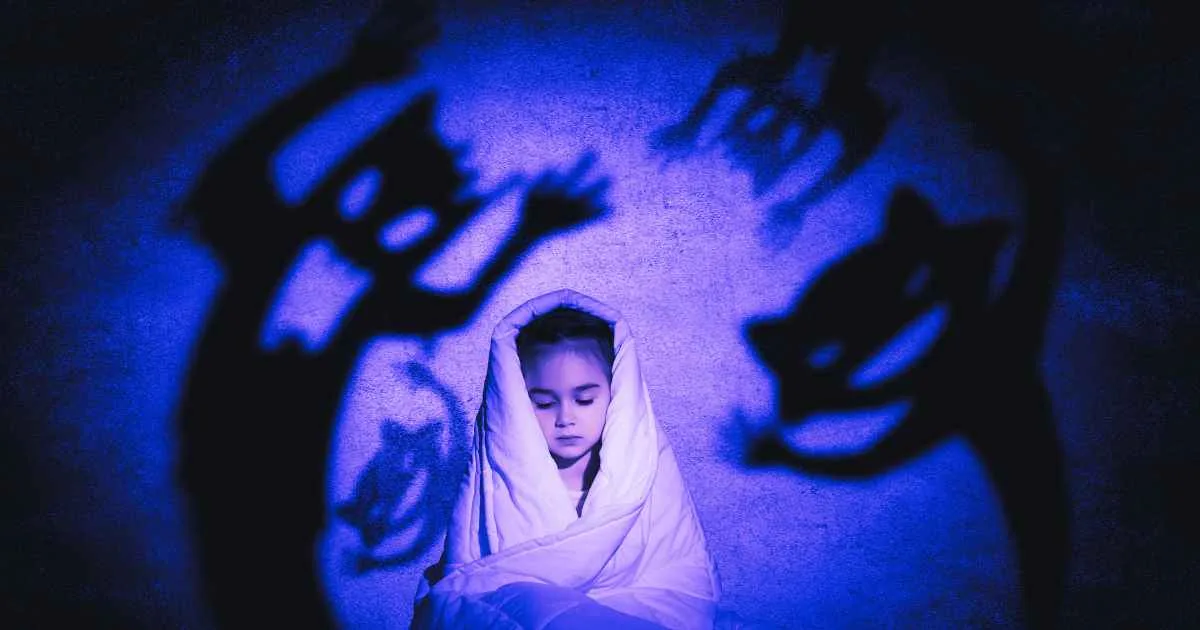
While everyone experiences an occasional nightmare, frequent bad dreams can be a sign of nightmare disorder, a sleep condition that causes significant distress. Understanding the causes and meaning behind nightmares can help you better cope with these unsettling dreams.
Key Takeaways
-
Nightmares are scary dreams that wake you up, usually during REM sleep
-
Common nightmare themes include being chased, falling, or facing a threat
-
Nightmares may be caused by stress, anxiety, trauma, or sleep disorders
-
Recurring nightmares often represent unresolved conflicts or fears
-
Treatment options include therapy, medication, and lifestyle changes
Table of ContentsTap to open
The Symbolic Meaning of Nightmares
Nightmares are more than just bad dreams - they are expressions of your deepest fears and anxieties bubbling to the surface of your subconscious mind. While the content of nightmares varies from person to person, there are some common symbolic themes:
-
Being chased or attacked: Represents feeling threatened, vulnerable, or pursued by something in your waking life, such as a problem or challenging situation you’re trying to avoid.
-
Falling: This signifies a lack of control, insecurity, or sense that your life is headed in the wrong direction. May stem from anxiety about failing or making the wrong choices.
-
Injury, illness, or death: Reflects concerns about your physical or mental health, or the well-being of a loved one. Can also symbolize the death of an old way of life or belief system.
-
Being trapped or paralyzed: Indicates feeling powerless, restricted, or stuck in some area of your life, like a dead-end job or unhealthy relationship. Represents a struggle to break free.
What Causes Nightmares?
Several factors can trigger disturbing dreams, from the ordinary stresses of daily life to more serious mental health issues. Some of the most common causes of nightmares include:
Stress and Anxiety
Stressful life events, like a job loss, relationship troubles, or the death of a loved one, can lead to an uptick in nightmares. Anxiety disorders may also cause more frequent bad dreams as your worries and fears play out in your sleep.
A 2020 study found that people who experienced more distress from the COVID-19 pandemic reported having more nightmares. The uncertainty and isolation of lockdowns likely exacerbated anxiety levels.
Trauma
Nightmares are a core symptom of post-traumatic stress disorder (PTSD). People with PTSD often have recurring dreams that replay a terrifying event, like a car accident, natural disaster, or assault.
Combat veterans are especially prone to disturbing dreams. One study of Vietnam War veterans found that 52% experienced nightmares, with 90% of those reporting a frequency of at least once per week.
Sleep Disorders
Certain sleep disorders can cause nightmares or make them worse:
-
Sleep apnea: People with sleep apnea are more likely to have bad dreams, possibly because the breathing disruptions impact sleep quality.
-
Restless legs syndrome (RLS): RLS is linked to more frequent nightmares, especially in children. The unpleasant sensations may be incorporated into dreams.
-
Narcolepsy: Nightmares are a common symptom of narcolepsy, a disorder that causes excessive daytime sleepiness and sleep attacks.
Medications
Some medications, including antidepressants, blood pressure drugs, and Parkinson’s medications, list nightmares as a potential side effect. Drug withdrawal, especially from alcohol and sedatives, can also cause a rebound in bad dreams.
Other Factors
Additional nightmare triggers include:
-
Eating close to bedtime
-
Lack of sleep
-
Sleeping in unfamiliar surroundings
-
Illness with fever
-
Scary books or movies before bed

The Impact of Nightmares
Nightmares can take a toll on your sleep quality and overall health. Disturbing dreams jolt you out of restful REM sleep, making it harder to fall back asleep. This sleep disruption can lead to daytime drowsiness, trouble concentrating, and irritability.
Chronic nightmares can also fuel anxiety and depression. A 2019 study found that the more distressing a person’s nightmares, the more severe their symptoms of depression, anxiety, and insomnia.
In some cases, people may develop nightmare disorder, a sleep condition characterized by frequent nightmares that cause distress or impairment in social or occupational functioning. Nightmare disorder affects around 4% of adults.
Nightmares can be especially hard on children, leading to bedtime anxiety and fear of the dark. Kids may try to avoid going to sleep or repeatedly wake up their parents for comfort.
When to Seek Help
Having the occasional nightmare is normal and usually no cause for concern. But if nightmares happen frequently, cause significant distress, or interfere with your daily functioning, it’s worth talking to your doctor or a sleep specialist.
Chronic nightmares could be a sign of an underlying sleep disorder, like sleep apnea, or a mental health condition, like PTSD or generalized anxiety disorder. Addressing the root issue can help reduce nightmare frequency and severity.
Your doctor may refer you to a sleep clinic for further evaluation. Keeping a sleep diary to log your nightmares can provide valuable information to guide your treatment.
Treatment Options
Treatment for nightmares often involves a combination of medications, therapy, and lifestyle changes. The right approach depends on the underlying cause and severity of your nightmares.
Medications
Certain medications can help suppress nightmares or improve sleep quality:
-
Prazosin: Originally used to treat high blood pressure, prazosin has been found to reduce nightmares in people with PTSD.
-
Clonidine: Another blood pressure medication that has shown promise in treating PTSD-related nightmares.
-
Cyproheptadine: An antihistamine that may help reduce nightmare frequency and intensity.
-
Trazodone: An antidepressant that is sometimes used off-label for insomnia and nightmares.
Therapy
Several types of therapy can be effective for chronic nightmares:
-
Cognitive behavioral therapy (CBT): Helps identify and change negative thought patterns and behaviors that contribute to nightmares.
-
Exposure, relaxation, and rescripting therapy (ERRT): Involves re-writing the ending of a recurring nightmare while in a relaxed state.
-
Lucid dreaming therapy: Trains people to become aware that they are dreaming, allowing them to take control of the dream narrative.
-
Hypnosis: Uses guided relaxation and suggestion to alter the content of nightmares or reduce nightmare frequency.
Lifestyle Changes
Making some simple changes to your sleep habits and daily routine can help prevent nightmares:
-
Stick to a consistent sleep schedule
-
Create a relaxing bedtime routine
-
Avoid caffeine, alcohol, and large meals before bed
-
Manage stress with exercise, meditation, or deep breathing
-
Process traumatic experiences with a therapist
Coping with Nightmares
When you wake up from a nightmare, it’s normal to feel shaken up. These tips can help you calm down and get back to sleep:
-
Reorient yourself. Remind yourself that it was just a dream and you are safe. Turn on a light and look around the room to ground yourself in reality.
-
Practice deep breathing. Take slow, deep breaths to activate your body’s relaxation response and quiet your mind.
-
Distract yourself. If you can’t shake the disturbing images, try reading a book, listening to soothing music, or doing a quiet activity until you feel sleepy again.
-
Rewrite the ending. Visualize a different, more positive outcome to your nightmare to help neutralize its emotional impact.
-
Talk about it. If your nightmare is really bothering you, consider sharing it with a trusted friend, family member, or therapist. Sometimes just voicing your fears can make them feel less powerful.
The Science of Nightmares
While the exact purpose of dreaming remains a mystery, scientists have some theories about why we have nightmares:
-
Threat simulation theory: Suggests that nightmares serve as a kind of “training ground” for dealing with real-world threats. By rehearsing dangerous situations in our dreams, we may be better equipped to handle them when awake.
-
Emotional processing theory: Proposes that nightmares help us process and regulate negative emotions. Disturbing dreams may be a way for the brain to work through unresolved fears and traumas.
-
Neurobiological model: Focuses on the role of the amygdala, the brain’s fear center, in generating nightmares. People with PTSD and anxiety disorders tend to have an overactive amygdala, which may explain their higher rate of bad dreams.
More research is needed to fully understand the neuroscience of nightmares and their evolutionary purpose. But one thing is clear: nightmares are a normal, if unpleasant, part of the human experience.
Nightmares in Popular Culture
Nightmares have long captured the public imagination, serving as the stuff of folklore, literature, and film. Some famous examples include:
-
A Nightmare on Elm Street: This iconic horror movie franchise features Freddy Krueger, a supernatural serial killer who stalks and kills his victims in their dreams.
-
The Nightmare: Henry Fuseli’s 1781 oil painting depicts a sleeping woman with a demon crouched on her chest, embodying the feeling of sleep paralysis.
-
Dracula: Bram Stoker’s classic Gothic novel includes a scene where the protagonist has a nightmare about being visited by three vampire women.
-
Alice’s Adventures in Wonderland: Lewis Carroll’s beloved children’s book blurs the line between dreaming and waking, with Alice wondering if her fantastical experiences were “nothing but a pack of cards.”
These artistic depictions of nightmares reflect our collective fascination with the dark side of dreaming. They also provide a cathartic outlet for exploring our deepest fears and anxieties from a safe distance.
Nightmares Across Cultures
Nightmares are a universal human experience, but the way they are understood and interpreted varies across cultures. Some examples:
-
In traditional Chinese medicine, nightmares are thought to be caused by an imbalance of yin and yang energy in the body. Acupuncture and herbal remedies may be used to restore balance.
-
In some Native American cultures, nightmares are seen as messages from the spirit world that require interpretation by a shaman or elder.
-
In Hinduism, bad dreams are sometimes attributed to the influence of negative spirits or past life karma. Reciting certain mantras or performing rituals may help ward off these influences.
-
In Jungian psychology, nightmares are believed to be expressions of the Shadow archetype - the dark, repressed aspects of the psyche that need to be integrated for wholeness.
These diverse cultural perspectives underscore the complex and multifaceted nature of nightmares. While the experience of having a bad dream may be universal, the meaning we assign to it is shaped by our individual and collective beliefs.
The Future of Nightmare Research
Despite centuries of fascination with nightmares, there is still much we don’t understand about these haunting dreams. Future research may shed light on questions like:
-
What are the neurological mechanisms underlying nightmares?
-
How do genetics influence nightmare frequency and content?
-
Can wearable technology be used to detect and interrupt nightmares in real time?
-
What is the most effective treatment approach for different types of nightmares?
As our scientific understanding of sleep and dreaming continues to evolve, so too will our ability to prevent and treat chronic nightmares. In the meantime, if you’re struggling with frequent bad dreams, know that you’re not alone - and that help is available.
By learning to confront and cope with our nighttime fears, we can reclaim our sleep and restore our sense of well-being. Sweet dreams!