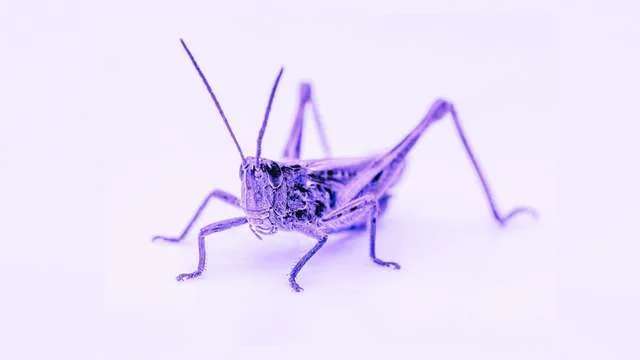
Dreaming of a grasshopper often signals a period of inner change, renewed curiosity, or a nudge from your instincts; when you wake wondering what a grasshopper means, the image usually points to personal growth, intuition, and a push toward freedom or creative action.
Key Takeaways
- Grasshopper dreams frequently point to transition, learning, and the start of a new chapter, often tied to intuition.
- They can highlight a need to trust your instincts and take small, confident steps instead of forcing large changes.
- These dreams may reflect desires for greater freedom, creative expression, or a healthier balance between responsibility and play.
- Context matters: the setting, who else is present, and the grasshopper’s behavior change the message from warning to encouragement.
Table of ContentsTap to open
Symbolic Meanings of Dreaming of a Grasshopper in a Dream
- Personal growth and transformation: A grasshopper often represents a phase where you’re ready to learn and evolve. The image suggests small, steady progress rather than instant change; it invites patience while you expand abilities and habits.
- Inner guidance and intuition: Seeing a grasshopper can be a reminder to listen to inner signals and gut feelings. That quiet prompt may guide decisions about relationships, work, or creative projects and connect to deeper intuition.
- Freedom and lightness: The grasshopper’s leaps symbolize a desire for autonomy and the ability to move lightly through challenges. This speaks to shedding heavy expectations and embracing more spontaneous, playful approaches.
- Creative energy: Grasshoppers can point to a need for artistic expression or imaginative problem solving. If you feel stuck, the dream nudges you to explore outlets like making art, experimenting, or trying new ideas linked to creative expression.
- Community and cycles: In some dreams a grasshopper appears among many others, hinting at collective momentum, abundance, or a test of resilience during change.
Common Grasshopper Dreams and Their Interpretations
Dream of Catching a Grasshopper
When you catch a grasshopper in a dream it often reflects your readiness to seize opportunities. The act of catching shows intentionality—recognizing a chance and taking focused action to make it yours.
Pay attention to how you caught it: using hands suggests personal skill and direct effort; a tool or net can indicate planning or resources that helped you reach a goal. These distinctions show whether success came from improvisation or preparation.
If catching produced calm or pride, the dream affirms that you can control outcomes by moving decisively. If it felt awkward or uncertain, it may be asking you to refine your timing or approach. For more on symbolic actions like this, consider how a Dream Symbol can function as an inner message.
- Catching a grasshopper with your hands — seizing opportunities and taking direct action.
- Catching a grasshopper in a net — using planning or tools to secure a result.
- Catching one in a jar — capturing a fleeting idea and preserving it for later use.
Dream of a Grasshopper Jumping
A grasshopper that jumps in your dream points to movement, risk, and momentum. The leap suggests readiness to try something new—an emotional or practical leap of faith that asks for trust and stamina.
The direction and size of the jump matter: toward you can mean a chance is arriving; away can feel like a missed opportunity or avoidance. A small hop may signal cautious progress; a big bound points to ambitious goals or sudden changes.
If you feel excited by the jump, the dream encourages boldness; if you feel anxious, it asks you to get clearer about the risk and prepare. Common interpretations break down details to give practical prompts for action.
- A grasshopper jumping on you — a message arriving or a task that calls for your attention.
- A grasshopper jumping away — an opportunity that slips or a path you are not yet ready to take.
- A grasshopper jumping very high — aiming for ambitious outcomes or feeling inspired to reach new levels.
Dream of a Grasshopper Swarm
Seeing a swarm of grasshoppers brings strong images of abundance, social momentum, and sometimes overwhelm. A swarm can be a positive sign of collective energy or a warning about losing control when things move too fast.
Context is crucial: observing the swarm calmly often shows you can step back and assess group dynamics, while being surrounded indicates pressure and the need to ask for help or set boundaries.
Swarm dreams can also tie to cycles of plenty or scarcity; they may prompt you to plan resources or celebrate gains. If the scene felt chaotic, reflect on where you might need structure or support in life. Dreams of numbers and patterns can factor into how you interpret mass movement like this—consider related symbolism from numbers.
- Surrounded by a swarm — feeling overwhelmed, in need of support, or pressed to act.
- Watching from a distance — the ability to keep perspective and evaluate changes objectively.
- Escaping a swarm — successfully navigating a challenge or detaching from group pressure.
Grasshopper on Your Body
A grasshopper landing on you focuses attention on intimacy, self-awareness, and how you present yourself. Where it sits gives extra meaning: a hand suggests agency, a head points to ideas, the chest can touch on feelings or values.
Physically feeling the insect can trigger vulnerability; the dream might be asking you to notice places where you want more connection, care, or creative expression. It often invites gentleness with yourself and others.
If you remove the grasshopper calmly, it can mean you are learning healthy boundaries; if you panic, the dream points to unresolved anxieties that need attention. Look for practical steps to increase self-care or communicate needs more clearly.
- On your hand — taking control, making choices, or expressing a talent.
- On your head — receiving insight, inspiration, or a new perspective.
- On your heart — opening emotionally, following passion, or tending relationships.
Grasshopper in Your Home
A grasshopper inside your house often symbolizes changes within your immediate life—family dynamics, security, and daily routines. The room where it appears shifts the nuance from nourishment to intimacy or social life.
In the kitchen, the grasshopper can relate to abundance, the fruits of effort, and the care you give others. In the bedroom it highlights rest, romance, or healing. In communal spaces it can speak to hospitality and shared joy—images linked to the meaning of fruits appear when the dream ties to rewards.
Finding a grasshopper at home can be comforting—good luck or prosperity—or it can signal a need to re-evaluate how your environment supports growth and creativity. Use the dream as a prompt to adjust your space and priorities.
- Kitchen — nourishment, enjoying the results of labor, or family care.
- Bedroom — emotional renewal, intimacy, or private rest.
- Living room — sharing life, social warmth, and welcoming others.
Grasshopper in a Field
When the grasshopper appears in a field, the imagery emphasizes freedom, open possibility, and connection to natural cycles. Fields suggest fertile ground for projects, relationships, or personal exploration.
The condition of the field changes the reading: a lush green field signals growth and renewal; a golden field suggests abundance and harvest; a barren field can highlight scarcity or the need for rebuilding and is tied to ideas in Scarcity.
Field dreams encourage you to evaluate where you can plant seeds—literally or metaphorically—and to notice the seasons of your life. They often urge small actionable steps rather than grand leaps, aligning with the grasshopper’s steady approach.
- Green field — growth, new beginnings, and regenerative energy.
- Golden field — reaping rewards, abundance, and productive effort.
- Barren field — need for renewal, resource planning, or creative problem solving.
Grasshopper and a Bird
Seeing a grasshopper with a bird brings a message about balancing intuition with action. The bird often symbolizes higher perspective or aspiration, while the grasshopper represents grounded instinct—together they show how insight and movement can work in tandem.
If the bird catches the grasshopper, the dream can point to a moment where higher plans overtake smaller impulses, asking you to act quickly on an insight. If they coexist peacefully, it’s a sign of harmonious balance between dreaming and doing.
This pairing encourages you to integrate vision and practical steps—trust the inspiration but map how to carry it out. Consider both the inner message and the outward expression before deciding.
- Bird catching a grasshopper — act on intuition, seize a timely advantage.
- Coexisting — cooperation between different parts of yourself; harmony.
- Bird releasing a grasshopper — letting go of control and trusting natural flow.
Grasshopper and a Frog
A grasshopper alongside a frog highlights transformation and adaptability. Frogs move between water and land, symbolizing emotional shifts; the grasshopper adds a sense of mobility and curiosity across those changes.
Together they suggest you’re navigating life stages and learning to adapt to new emotional terrain. If the scene involves water, expect emotional cleansing or renewal; on land it points to physical or practical evolution.
The dream encourages flexibility and acceptance of change, reminding you that growth often requires shifts in both feeling and action. For more on frog-related symbolism, see meanings tied to a frog.
- Grasshopper and frog in water — emotional renewal and release.
- On land — practical transformation and grounded growth.
- In transition — adapting, embracing change, and finding a new rhythm.
Grasshopper and a Snake
When a grasshopper appears with a snake, expect themes of danger, instinct, and hidden transformation. Snakes often represent deep change, fear, or a call to face subconscious material; the grasshopper’s presence softens this by reminding you to use intuition and quick thinking.
If the snake threatens or eats the grasshopper, the dream can point to a need to confront fears or accept the end of a phase. If the grasshopper escapes, it celebrates intuitive survival and clever avoidance of harm.
These scenes may also touch on the concept of the shadow and the work of integrating uncomfortable parts of yourself. If you want a broader reading of snake symbolism, see resources like Dreaming of a snake.
- Snake eating a grasshopper — confronting deep fears or endings.
- Grasshopper escaping a snake — intuitive survival and clever avoidance.
- Coexistence — integrating instinctual and reflective parts of the mind.
Grasshopper and a Butterfly or Dragonfly
Pairings with winged insects like butterflies or dragonflies emphasize metamorphosis, beauty, and shifting perspective. Butterflies especially speak to rebirth and visible change; dragonflies point to adaptability and seeing situations more clearly.
If the grasshopper transforms or is shown alongside a butterfly or a dragonfly, the dream suggests that small, courageous steps will lead to significant personal evolution.
These images invite celebration of growth and an appreciation for both the messy process and the elegant result. They ask you to honor the journey and the changes it produces.
- Grasshopper turning into a butterfly — rebirth and realization of potential; see also butterfly symbolism.
- Flying together — freedom, joy, and creative expression.
- At rest — peace after transformation and integration of new qualities.
Dead Grasshopper
A dead grasshopper signals endings, closure, or the need to grieve a lost expectation. While this can feel sad, it also marks completion and clears space for something new to begin.
How you respond in the dream matters: holding the dead insect may mean accepting the end of an idea, while watching it revive points to renewed hope or a second chance at a former plan.
The message often encourages reflection—honor what has ended, learn the lesson, and consciously choose what to carry forward versus what to leave behind.
- Dead grasshopper on the ground — completion of a cycle and the need for rest.
- Dead in your hand — facing the death of an idea and moving toward acceptance.
- Revival — signs of rebirth and recovery after loss.
Giant Grasshopper
A giant grasshopper dramatically increases the stakes in a dream. Size amplifies symbolism: a very large insect can represent a looming opportunity, a major change, or a challenge that feels outsized compared to your usual experience.
If the giant creature feels threatening, it may point to anxiety about a powerful force in your life—societal pressure, a major relationship, or a work shift. If it feels inspiring, it invites you to think bigger and accept responsibility for growth.
This image encourages you to examine whether the scale reflects real external circumstances or inner fears. It may be a call to expand your ambitions or to seek perspective on what seems overwhelming. See related ideas about encountering A giant in symbolic contexts.
- Giant grasshopper in your house — a significant influence within the personal sphere.
- Giant in the city — social or cultural shifts affecting many people.
- Giant within a dream landscape — the scope of imagination or potential.
Colorful Grasshopper
Color intensifies meaning: a vividly colored grasshopper usually draws attention to emotion, creative expression, or specific moods tied to color symbolism. Bright hues invite celebration and diversity, while muted tones suggest subtlety.
Green often speaks to renewal and nature; yellow connects to joy and optimism (and links to imagery like the sun); blue suggests calm and clarity; red can point to passion and courage tied to fire.
Multicolored or unusual hues often celebrate the uniqueness of your path and invite you to express more of your personal palette in life and work.
- Green — growth and natural cycles.
- Yellow — optimism and warmth.
- Blue — calm, clarity, and reflection.
Grasshopper as a Pet or in a Cage
Keeping a grasshopper as a pet or seeing one in a cage explores themes of care, containment, and the balance between protection and freedom. As a pet, the grasshopper suggests a relationship you nourish—an idea, a creative practice, or a fragile part of yourself.
A caged grasshopper points to felt limits or feelings of being held back. The size and condition of the enclosure reveal whether constraints are practical safety measures or unnecessary restrictions you can address.
These dreams urge you to evaluate how you support the parts of life that matter: are you giving space to grow, or are you holding on too tightly? Small changes—more trust, clearer boundaries, or letting go—often resolve the tension.
- Caring for one — nurturing an idea or relationship and investing time with patience.
- Playing with one — embracing joy and lightness in daily life.
- In a cage — feeling limited, needing to plan a path toward freedom.