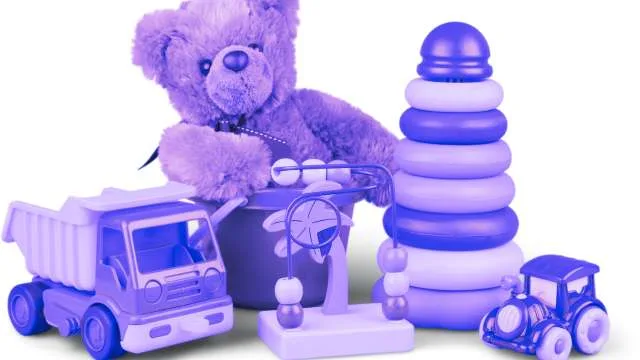
Dreaming about toys usually points to feelings tied to childhood, current emotional needs, or unresolved patterns — it can signal a longing for play, an invitation to heal past wounds, or a prompt to re-evaluate how you handle control and comfort.
Key Takeaways
- Toys in dreams commonly reflect emotional needs: play, safety, nostalgia, or a need for care.
- These dreams can highlight unresolved issues from your past that still shape your reactions today.
- They often point to how you manage control — whether you feel empowered, manipulated, or out of control in a situation.
- Toys may also show where you can add creativity, lightness, or self-care to your daily life.
- Context matters: the type of toy, what you do with it, and how it makes you feel change the meaning significantly.
Related: Dreaming About a Remote Controller
Table of ContentsTap to open
Symbolic Meanings of Dreaming About Toys in a Dream
- Reconnecting with Joy: A toy can point to a need for lightness and fun in your waking life. When life feels heavy, the toy image urges you to rediscover simple pleasures and allow more play and spontaneity into your routine.
- Unfinished Childhood Themes: Toys often act as stand-ins for childhood experiences that still influence you. These dreams can alert you to patterns—like seeking approval, avoiding risk, or craving safety—that began early and need updating now.
- Control and Agency: How you handle toys in the dream — directing them, being controlled by them, or watching them move — maps to how you experience power and control in relationships or work situations.
- Comfort and Emotional Soothing: Cuddly or familiar toys represent a craving for comfort and reassurance. These images suggest practical self-care: asking for support, setting boundaries, or creating routines that feel safe.
- Creativity and Potential: Building toys, artful play, or imaginative scenarios emphasize problem-solving and creative energy waiting to be expressed. The dream pushes you to use play as a means to innovate or rebuild aspects of life.
- Identity and Roles: Dolls, action figures, or role-based toys can reflect parts of yourself you perform for others, or roles you’re learning to integrate. These dreams invite honest questions about which roles fit and which you can let go of.
Common Dreams About Toys and Their Meanings
Dreaming of Playing with Toys
When you dream of actively playing with toys, the dream highlights a current need for balance between responsibility and enjoyment. Your mind is signaling that rest, creativity, or a playful approach could improve your mood and productivity. This is less about childish escape and more about reclaiming healthy ways to recharge.
Pay attention to what kind of play appears: imaginative scenes suggest you’re ready to experiment with new ideas, while repetitive play might indicate you’re stuck in a routine that needs creative variation. The emotions during play — joy, boredom, or frustration — help you see which areas of life need gentle change.
Practically, this dream can be an invitation to schedule small, guilt-free activities that nourish you: a hobby, a short trip, or a weekly creative session. If the dream includes the phrase or link to Dream Symbol, use it as a prompt to journal what each toy represents in your personal story.
Dreaming of Broken Toys
Seeing broken toys signals disappointment, loss, or the sense that something you once relied on no longer works. The image often points to relationships, self-image, or routines that no longer serve you and are asking to be repaired or released.
If you try to fix the toys in the dream, it shows a willingness to repair damage and rebuild trust or stability. If you ignore or discard damaged toys, the dream suggests avoidance or a conscious choice to move on. Notice whether repair feels possible or whether letting go feels liberating.
Use this dream as practical feedback: identify one small, fixable thing in your life and take a concrete step — a conversation, a plan, or professional help — rather than letting broken pieces accumulate into bigger stress.
Dreaming of Giving Toys Away
Giving toys away in a dream points to generosity, transition, or the desire to clear out emotional clutter. This action often reflects a readiness to share resources or to let aspects of your past belong to someone else so you can make space for new experiences.
The recipient matters: giving to children can show a nurturing impulse, while handing toys to adults might indicate a need to repair adult relationships or to ask for reciprocal support. Reflect on whether you’re comfortable with this exchange or if it triggers anxiety about loss.
In practical terms, this dream can encourage you to declutter physically and emotionally. Consider donating items, setting boundaries that free your energy, or mentoring someone — small acts that align with the symbolic giving in the dream.
Dreaming of Losing Toys
Losing toys generally reflects fears of losing something important — a relationship, status, or a sense of stability. The search that follows in the dream highlights how much that object or person anchors your sense of safety or identity.
Finding lost toys suggests recovery: rediscovering strengths, trust, or joy you thought were gone. Grieving over lost toys indicates difficulty letting go and the need for compassionate processing of loss rather than rushing closure.
Sometimes this dream points to practical decisions: strengthen the relationships or supports that feel shaky, make contingency plans for what you fear losing, or work on self-reliance so that your security isn’t tied to a single source. Also note the related link for deeper metaphorical associations: Dreaming About a Hard Disk.
Dreaming of Buying Toys
Buying toys in a dream connects to investing in your pleasures or emotional needs. Purchasing a toy can represent a healthy decision to prioritize self-care, creativity, or emotional expression — buying permission to feel lighter.
If you feel guilty while buying, the dream may expose conflicting beliefs about self-worth and deserving joy. If the purchase feels liberating, it signals a positive shift toward meeting your own needs without external validation.
Take this dream as a practical nudge to budget time, money, or attention toward activities that replenish you. Small monthly treats, a class, or time with friends can be symbolic “purchases” that sustainably increase your well-being.
Dreaming of a Toy Store
A toy store overflowing with choices points to abundance, options, and a moment of decision. Standing among many toys can feel energizing or overwhelming depending on how decisive you feel in waking life.
Feeling overwhelmed in a toy store suggests decision fatigue: too many choices without a clear priority. Browsing calmly implies curiosity and openness; working there can reflect a role where you nurture or inspire others.
This dream invites you to narrow options by values: ask which choices align with your long-term goals and which are distractions. Treat the toy store like a planning exercise — try small experiments rather than committing to everything at once.
Dreaming of a Toy Box
A toy box represents stored memories, suppressed feelings, or talents you’ve put aside. A tidy box suggests organized, accessible memories; a chaotic box implies emotional clutter that needs sorting.
Finding hidden toys inside the box points to rediscovering forgotten skills or parts of yourself — perhaps creative impulses or playful strengths. Conversely, a locked box suggests secrets or feelings you’re not ready to confront.
Use this image as an invitation to inventory your inner resources: open the box metaphorically through journaling, therapy, or creative practice to see what’s useful and what you can release.
Dreaming of a Toy Car
A toy car in a dream often symbolizes your direction, ambition, or how you navigate life’s journey. A small, controlled car may point to careful progress; a flashy or remote-controlled toy car can reflect desires for speed, status, or outside influence on your choices.
When you are driving the toy car, it shows agency and the capacity to steer your path. Sitting beside a toy car or watching it suggests observation — you may be evaluating progress rather than actively shaping it. If the car races or crashes, the dream warns of risky choices or a need to adjust pace.
Consider this dream a cue to assess goals and the means used to reach them. Practical actions include setting clearer milestones, asking for help to accelerate safely, or slowing down to avoid burnout. See also reflections tied to Driving imagery for deeper parallels.
Dreaming of a Toy Gun
Toy guns highlight themes of power, protection, and conflict played out in a safer symbolic register. They can point to an urge to defend boundaries or to fears about how confrontations might play out.
Playing with a toy gun often expresses role-playing or rehearsal — you’re trying out assertiveness in a low-risk mental space. If the toy gun becomes real or feels threatening in the dream, it suggests anxiety about consequences or aggression becoming actualized.
This dream can encourage setting firm boundaries, practicing assertive communication, or seeking conflict resolution strategies. If the images feel violent or disturbing, consider talking through them to separate symbolic fear from real danger.
Dreaming of a Toy Soldier
Toy soldiers bring up discipline, duty, and the tension between personal desire and obligation. These figures can represent structured habits, loyalty to a cause, or the parts of you that follow rules automatically.
Playing with or arranging toy soldiers suggests strategic thinking, planning, and an orderly approach to problems. Losing a toy soldier or seeing them fall can mirror doubts about support systems or feelings of isolation within a team or family.
Reflect on whether your current structure supports growth or simply maintains the status quo. Adjusting strategy, delegating tasks, or re-evaluating loyalties are practical steps suggested by this image. For more on the soldier motif, note this related resource: soldiers.
Dreaming of a Toy Train
Toy trains often symbolize predictable progress, routines, and life’s trajectory. A smooth ride implies steady momentum; derailment signals unexpected changes or a need to change routes.
Riding a toy train may indicate a desire for safe, guided movement toward goals, while watching it loop can suggest feeling stuck in repetitive cycles. A train that runs on time reflects comfort with routine; one that stalls points to delays or obstacles.
Use this dream to assess whether your path needs a course correction or whether you can benefit from a consistent schedule. Small pivots — adjusting habits, seeking new input, or planning for flexibility — can help the train run more smoothly.
Dreaming of a Toy Robot
A toy robot touches on automation, emotional distance, and the intersection of human needs with mechanical efficiency. It can symbolize feeling programmed, a fear of being replaced, or curiosity about new tools and systems.
Playing with a toy robot suggests experimenting with technology or routines that increase efficiency, while fearing a robot points to anxieties about authenticity or losing human connection. Building a robot reflects creative problem solving and innovation.
This dream often asks you to balance convenience with connection: evaluate where technology helps and where it isolates. For more context, consider the lines between human feeling and tools in robot symbolism and broader technology themes.
Dreaming of a Toy Doll
Dreaming of a toy doll often brings up intimacy, care, and the ways you hold or are held in relationships. Dolls can represent people you care for, roles you perform, or feelings of vulnerability and tenderness.
Playing gently with a doll suggests nurturing aspects of yourself or others. If the doll feels lifeless or controlled, it can point to concerns about manipulation, emotional distance, or acting inauthentically within close bonds.
Consider using this dream to check how you manage emotional labor and attachment. Practical steps include practicing clearer emotional boundaries, communicating needs with loved ones, or creating rituals that restore a sense of genuine connection.