
When you find yourself dreaming about a market, your mind is usually weighing choices, social exchanges, and personal resources; the market image often stands for where you meet people, trade ideas, and decide what to keep or let go.
Key Takeaways
- A market dream points to choices you face, the flow of give-and-take in relationships, and practical needs or desires.
- Details like crowd size, sounds, and what’s for sale reveal whether you feel overwhelmed, nourished, or blocked.
- Buying, selling, or bargaining in a market dream often mirrors decisions about self-worth, investments, and personal change.
- Specific stalls—food, clothing, books, jewelry, tech—highlight areas of life asking for attention: health, identity, learning, value, or growth.
- Night or empty markets typically signal inner work: hidden feelings, unmet needs, or a sense of isolation to be addressed.
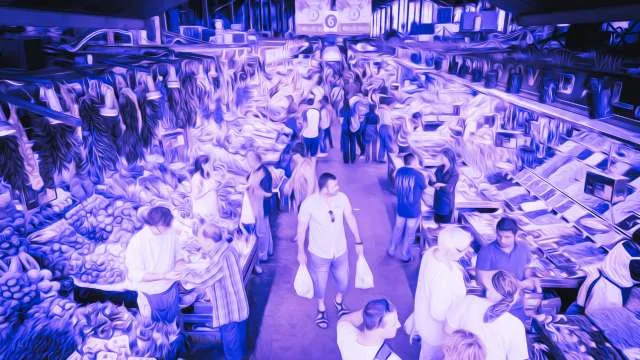
Table of ContentsTap to open
Symbolic Meanings of Dreaming About a Market
- Choices and Options: A market shows the options lining up in your life. Each stall or product stands for a different path, so crowded aisles can mean having many choices, while few stalls can mean limited options.
- Social Currency: Markets are social places. Interactions there reflect how you trade attention, favors, or emotions with others and whether those exchanges feel fair.
- Self-Worth and Value: What you buy, sell, or haggle over often maps to how you value yourself and your skills. Struggling to sell or feeling cheated can point to doubts about your worth.
- Opportunities for Growth: A lively market suggests new chances to learn, meet people, or take risks. A thriving scene often mirrors momentum in your personal or professional life.
- Needs and Nourishment: Food and fresh goods in a market symbolize physical or emotional nourishment. Poor quality or rotten items hint at neglect or unmet needs.
- Hidden Aspects and Shadow Work: Night or empty markets highlight parts of you that stay out of sight—fears, desires, or old beliefs that need attention to integrate into your conscious life.
Common Market Dreams and Their Interpretations
Crowded Market
Dreaming of a crowded market often mirrors a busy social life or a season when many demands converge. The noise, people, and pace reflect how packed your schedule or emotional bandwidth feels in waking life.
If you move through the crowd with ease, it suggests you feel resilient and capable of handling social pressure and many choices at once. You can adapt, prioritize, and find what you need even when life gets hectic.
If the crowd overwhelms you—if you feel pushed, anxious, or lost—this shows a need to set boundaries and carve out personal space. It signals that slowing down and choosing fewer commitments could restore balance.
Empty Market
Seeing an empty market points to loneliness, stagnation, or a sense that opportunities have dried up. The silence and closed stalls often mirror moments when you feel disconnected from community or purpose.
Wandering through quiet aisles can also indicate a period of inward focus—time to reflect, reassess goals, and plan a different approach. Use the emptiness to identify what’s missing and how to invite change.
Finding closed stalls or unused goods suggests missed chances or a need to take initiative. Consider whether you’ve been waiting for things to happen instead of creating openings yourself.
Buying Something in a Market
Buying in a market dream signals a readiness to accept new experiences, skills, or identity shifts. The item you choose points to the area you’re ready to invest energy into—knowledge, relationships, or self-care.
Paying willingly means you see value in the change and are prepared to commit. If you negotiate or haggle, you might be weighing costs and benefits, testing how much you’re willing to give up to gain something new.
Regret after a purchase or buying the wrong item suggests second thoughts about recent choices. Use that signal to review decisions and learn what you truly need versus what looks attractive in the moment.
Selling at a Market
Dreaming of selling reflects releasing old habits, making space for fresh starts, or offering your talents to others. Successful sales in the dream symbolize confidence and receiving deserved recognition.
Struggling to sell or being ignored highlights feelings of undervaluation or fear that your contributions won’t be noticed. This may be a nudge to reframe your skills or find new ways to share them.
Selling something personal—an heirloom or sentimental item—often points to emotional letting go. It can mean you’re ready to move forward from a chapter that used to define you.
Food Market
A food market strongly ties to nourishment—both physical and emotional. Fresh, abundant produce suggests health, vitality, and feelings of being supported in life.
If you find spoiled or rotten food, the dream warns of neglect—perhaps poor self-care, toxic relationships, or habits draining your energy. It asks you to tend to basic needs first.
Sampling new foods or discovering diverse stalls signals curiosity and openness. It can be an invitation to try new activities, diets, or ways of caring for yourself that broaden what sustains you.
Clothing Market
A clothing market in a dream focuses on self-presentation and identity. Trying on outfits points to experimentation—testing roles, personas, or social masks to see which fits.
Buying a particular garment suggests a wish to embody traits you associate with that item: confidence, professionalism, playfulness, or comfort. Clothes symbolize how you want to be seen.
Finding second-hand or vintage pieces connects you to the past—either your personal history or ideas you’ve outgrown. It can also suggest repurposing old strengths for new purposes.
Jewelry Market
A jewelry market highlights issues of value, status, and inner worth. Beautiful pieces often reflect self-esteem and how you measure success.
Seeing Gold items suggests ambitions, achievement, or a period of reward. They point to material success or recognition coming into focus.
Silver and delicate pieces often link to emotional clarity, intuition, and refined tastes. Choosing or wearing jewelry shows how you want your inner qualities to show outwardly.
Book Market
A book market spotlights learning, curiosity, and the search for meaning. Browsing shelves means you’re exploring ideas, hobbies, or studies that could steer your next steps.
Purchasing a particular book suggests commitment to a path of study or a new worldview. The genre or subject gives clues—practical manuals point to skill-building, while spiritual texts hint at inner work.
Finding rare or ancient volumes implies a desire for deeper wisdom or connection to tradition. It may signal that you’re ready to integrate older lessons into modern choices.
Technology Market
A technology market represents progress, tools, and how you solve problems. New gadgets suggest a push to update skills or streamline your life.
Feeling lost among devices or unable to operate them points to fears of being outdated or a need to learn. This dream asks where you might need training or patience with change.
Buying a specific device shows a commitment to improve efficiency, connection, or creativity. It can also reflect how you hope tech will support your goals or relationships.
Flower Market
A flower market symbolizes beauty, emotional expression, and growth. Colorful blooms point to joy, creative impulse, and things you want to bring to life.
Wilted or dying flowers signal neglected feelings or relationships that need attention. They invite gentle care—apologizing, reconnecting, or setting healthier boundaries to revive what matters.
Buying a particular blossom suggests an intention to nurture a quality—love, patience, or courage. Flowers are reminders to honor small acts that feed the heart.
Crowded Street Market
A crowded street market captures the messy energy of daily life: traffic between priorities, cramped timelines, and the challenge of standing out among many voices. The narrow lanes show social dynamics that require agility.
Feeling lost or overwhelmed on the street signals a need for clarity: prioritize, map a route, and choose what matters most. The dream nudges you to slow down enough to see where to turn.
Finding a standout stall in the chaos—something that calls your attention—suggests a valuable opportunity hiding in busyness. It encourages focused searching rather than reacting to every distraction.
Night Market
A night market points to hidden parts of your psyche and subtle emotions that surface in low light. This setting often connects to the unconscious and themes you haven’t fully faced in waking life.
Encountering strange or shadowy figures signals an invitation to engage with your shadow—those traits you avoid or deny. The night market gives a safe stage to notice and understand these parts.
Discovering something valuable in the dark—an insight, a talent, or secret—means inner resources are ready to be found. Even when the scene feels eerie, it often points to deep personal growth waiting beyond fear. For a vivid example or a different cultural take on similar imagery, see the night market.
Farmers Market
A farmers market highlights roots, simplicity, and wholesome choices. Fresh produce and friendly vendors mirror a desire to ground yourself and choose what truly nourishes your life.
Interacting with down-to-earth sellers suggests leaning toward authentic connections and community support. This dream encourages practical, heart-led decisions rather than flashy or quick fixes.
Buying handmade or artisanal goods indicates a wish to support meaningful work and to bring sustainable habits into your routine. It’s a call to align daily choices with long-term well-being.
Flea Market
A flea market centers on discovery, repurposing, and the value hidden in overlooked places. Rummaging through secondhand items suggests you’re searching for resourceful solutions or reclaiming lost parts of yourself.
Finding a treasure in the clutter signals the payoff of patience and attention—seeing potential where others do not. It points to creative problem-solving and a willingness to salvage what’s useful.
Haggling or negotiating in a flea market mirrors real-life bargaining for what you need—time, recognition, or resources—and invites assertiveness about your worth and limits.
Negotiation and Bargaining at a Market
When bargaining appears in a market dream, it highlights your inner negotiation between needs and limits. The process shows how you balance give-and-take in relationships, work, or personal goals.
Winning a negotiation can boost confidence and show your ability to claim fair value. Losing or feeling cheated points to unclear boundaries or unspoken expectations that need addressing.
Comfort with haggling suggests flexibility and creative problem solving; discomfort suggests practicing assertive communication and clarifying what you will and won’t accept.
Finding Hidden or Rare Items
Locating rare or hidden goods in a market dream points to overlooked talents, insights, or opportunities. These discoveries often arrive when you slow down, look closely, and stay curious.
Feeling excited by the find suggests readiness to use a new skill or insight publicly; feeling unsure suggests you’re still integrating the discovery. Either way, value that spark and plan small steps to develop it.
These hidden treasures can be practical—ideas to improve work—or symbolic—parts of your personality you’re reclaiming. Treat them as clues for where to focus effort and attention next.
Feeling Lost in a Market
If your market dream leaves you disoriented, it points to confusion about priorities, identity, or direction. The maze of stalls becomes a map of choices without clear signs.
Use this dream as an invitation to simplify: list priorities, remove minor options, and pick one clear step forward. Practical planning will reduce the sense of overwhelm the dream shows.
Seeking help—asking a vendor for directions, leaning on trusted friends—translates to real-life support. The dream reminds you that guidance and small choices can restore a sense of purpose.
Trusting Your Senses in a Market
Markets overload the senses. Dreams that emphasize smells, colors, or textures urge you to trust tangible signals in life—how something feels emotionally or physically rather than only how it looks on paper.
Sharp senses in the dream—pleasant aromas, vivid colors—suggest clear instincts and health. Dull or unpleasant sensory details warn you to pause and reassess what you allow into your life.
Practicing mindfulness in waking life—slowing down, noticing details, tasting and touching—strengthens your ability to choose wisely, just as a focused shopper finds the best quality goods.
Lost Purchases or Stolen Items
Dreaming that something you bought disappears or gets stolen highlights worry about loss—of status, relationship, or resources. It can also surface fears about making the wrong investment.
This dream asks you to check safety nets: financial plans, backup options, and emotional support. Strengthening these buffers reduces anxiety and helps you recover if something goes wrong.
It may also signal a need to value what you already have—gratitude and maintenance often protect against loss more effectively than constant pursuit of new things.
Finding Community at a Market
Connecting with vendors or regulars in a market dream points to a desire for belonging and practical support. Such scenes often show where you might find allies and steady relationships.
Friendly exchanges and shared routines in the dream suggest fertile ground for real-life communities: clubs, local groups, or workplace allies where you can trade skills and care.
If the market feels welcoming, it encourages reaching out; if it feels closed-off, consider small steps to build rapport—a conversation, volunteering, or shared projects—to create belonging.
Unfamiliar Currencies or Barter
When a market uses bartering or strange money, the dream highlights alternate ways of valuing things—time, favors, skills—beyond cash. It reminds you that not all exchange happens in dollars.
This scenario suggests exploring new forms of reciprocity: skill swaps, favors, collaboration, or mentoring. These can build resilience and creative resource networks.
Confusion over the rules of exchange in the dream points to unclear expectations in relationships or work. Clarifying what you give and receive brings fairness and reduces friction.