Dreaming about a skeleton often signals inner shifts, like confronting hidden fears, acknowledging what supports you at a basic level, or recognizing that a chapter of life is closing so something new can begin.
Key Takeaways
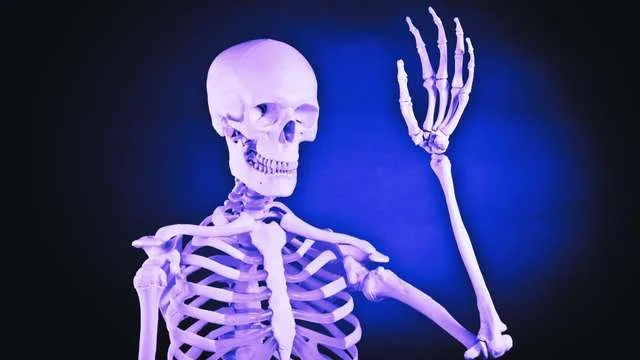
- Skeleton dreams usually point to deep, sometimes ignored emotions—fear, loss, or the need to simplify to essentials.
- They can encourage you to face secrets, outdated beliefs, or parts of yourself you’ve been avoiding.
- These dreams often mark endings that make room for new beginnings or remind you to reconnect with your core values.
- Context matters: a chasing skeleton differs from a dancing one, and small details change the message.
- Across cultures, skeleton imagery links to cycles of life, personal truth, and transformation rather than literal danger.
Table of ContentsTap to open
Symbolic Meanings of Dreaming About a Skeleton
- Uncovering Hidden Fears: A skeleton can represent anxiety that you haven’t fully acknowledged. Instead of predicting literal loss, the image often points to worries about abandonment, change, or vulnerability that need attention.
- Facing What’s Been Buried: Skeletons commonly symbolize secrets or unresolved feelings. If you’ve been avoiding a memory or a choice, the dream nudges you to examine those buried parts of your life—your patterns, choices, or past experiences.
- Returning to Fundamentals: Bones are the structure beneath appearance. A skeleton dream can remind you to strip away noise and reconnect with your values, priorities, and the basics that hold you together.
- Change, Endings, and Renewal: Many cultures link skeleton imagery to endings that precede renewal. Seeing a skeleton may signal that one phase is concluding and that growth or a fresh start is possible if you let go.
- Identity and Authenticity: A skeleton can highlight the difference between how you present yourself and who you are inside. These dreams push you toward honesty with yourself and others.
Common Skeleton Dreams and Their Interpretations
Skeleton Chasing You
When a skeleton pursues you in a dream, it often represents something you are avoiding—an uncomfortable truth, a difficult conversation, or a habit that keeps resurfacing. The act of running suggests urgency: your subconscious wants you to address the issue rather than outrun it.
That same scene can point to unresolved grief or worry about loss. Instead of predicting a real-life death, the image invites you to sit with your emotions and name the fear so it stops controlling your choices. Resources about Dream Symbol interpretation can offer context, but the most useful insights come from connecting the chase to your waking life.
Practically, ask yourself what you’ve been postponing. Is there a relationship, a decision, or a memory you avoid? Facing that matter with small, concrete steps reduces the sensation of being hunted and turns the dream’s warning into a plan for action.
Skeleton in Your Closet
A skeleton appearing in your closet usually points to a secret, shame, or a hidden habit you keep out of sight. The closet represents private life; a skeleton there suggests something you hide to protect your image or avoid discomfort.
This dream asks whether secrecy is costing you energy or relationships. Coming clean or accepting that part of yourself can be freeing; it often reduces the emotional burden that secrecy creates and opens space for honest connections.
Try reflecting on what you hide and why. Small acts of authenticity—sharing a fear with a trusted person or writing about it—can shrink the skeleton’s power and help you integrate that piece into your life in a healthier way.
Dancing Skeleton
A dancing skeleton flips the usual fear angle into something lighter. It can signal that you need to reclaim joy or find humor amid tough circumstances. The dancing motion suggests movement, release, and an invitation to loosen rigid patterns.
If you recognize this image after a stressful period, the dream may be encouraging you to balance seriousness with play. Embracing laughter doesn’t minimize your struggles; it helps you cope and restores perspective—sometimes what we need most is permission to breathe.
To follow this message, look for simple ways to introduce fun: a creative hobby, a social outing, or even small rituals that make you smile. The dream supports resilience through lightness and suggests that joy can coexist with difficult emotions.
Skeleton Coming to Life
When a skeleton animates in your dream, it often represents something from your past resurfacing—old beliefs, memories, or relationships you thought were dormant. The reanimation signals that these elements still influence your emotions or decisions.
This scenario asks you to reassess whether those resurrected parts deserve a place in your present. Sometimes they bring wisdom; other times they drag old hurts into new situations. Use the dream as an opportunity to evaluate what should be reclaimed and what should remain behind.
Practical steps include journaling about the memory or idea that returned and asking how it serves you now. If the revival creates discomfort, consider therapy, a talk with someone involved, or symbolic rituals of closure to prevent the past from repeating itself.
Skeleton in a Graveyard
Finding a skeleton in a graveyard emphasizes endings—clearly signaling the need to let go of a chapter that no longer serves you. The graveyard setting strengthens the message: something has ended or must be buried for you to move forward.
Rather than a literal omen, this dream supports emotional clearance. It asks you to examine what you cling to—old identities, relationships, or regrets—and to take concrete steps toward acceptance and renewal.
Consider rituals for release: write a letter you don’t send, create a small ceremony to mark the end, or set practical boundaries that prevent past patterns from reoccurring. These actions help the symbolic graveyard become a site of growth rather than stagnation.
Skeleton Wearing Clothes
A clothed skeleton highlights appearances versus essence. Clothing in dreams represents the roles we play; when a skeleton wears clothes, it may point to an emotionally hollow exterior—acting in ways that hide an inner truth.
This image invites honest self-checks: are you performing to meet others’ expectations? If so, the dream encourages aligning your outward behavior with inner values so you feel more authentic and less drained by social masks.
To act on this insight, try small authenticity experiments: speak a true opinion in a safe setting, simplify commitments that feel performative, or explore how your public roles match your private priorities. Over time, authenticity reduces the emotional gap the skeleton symbolizes.
Skeleton Holding a Rose
A skeleton with a rose blends starkness and beauty—reminding you that tenderness and meaning can exist alongside endings. The rose suggests appreciation, memory, and the fragile delights that persist even when things change.
This dream often appears during transitions that carry sorrow but also offer gifts: gratitude for what was, lessons learned, or the chance to honor what mattered. It asks you to hold both loss and appreciation together without forcing a single emotion.
Practically, create ways to honor what’s ending. Preserve memories, express gratitude, or make a small tribute. These acts help you carry forward the essence of a chapter while opening to what comes next.
Skeleton with a Scythe
A skeleton wielding a scythe can look frightening, but symbolically it often represents necessary pruning—the end of one phase so new growth can begin. The scythe emphasizes cutting ties to what blocks forward movement.
Instead of predicting doom, this dream urges acceptance of change and the release of what is no longer fertile in your life. It asks whether clinging to the past prevents fresh opportunities or healthier rhythms from emerging.
Respond by identifying what needs trimming: habits, commitments, or relationships that sap energy. Then, take practical, measured steps—reduce obligations, set boundaries, or reprioritize—to allow space for new beginnings.
Skeleton Skull
Focusing on a skull tends to shift the dream toward thought, understanding, and what remains when everything else is stripped away. The skull highlights intellect, perspective, and the search for deeper meaning.
This image can suggest a period of reflection or study, urging you to seek clarity about beliefs or decisions. It may also nudge you to examine the mental stories that shape your feelings and behavior.
Actionable responses include reading, seeking counsel, or practicing reflective exercises like journaling or meditation. These activities sharpen understanding and turn the skull’s symbolism into wiser choices.
Skeleton in a Coffin
A skeleton lying in a coffin emphasizes final closure. This dream tends to signal the complete end of a chapter and a clear invitation to move forward without carrying that particular burden.
Instead of lingering in denial, this image encourages acceptance and practical closure—final conversations, legal or financial wrap-ups, or mental and emotional release. The coffin indicates that holding on only prevents new life.
Take concrete steps toward closure: finalize loose ends, create a symbolic farewell, or set intentional goals for the next phase. These acts help the coffin’s finality become a foundation for renewal.
Skeleton with a Crown
A crowned skeleton combines vulnerability and authority. This dream may highlight a complex relationship with power—acknowledging inner strength that has been ignored, or warning about empty authority that lacks integrity. The image asks you to examine how you use or value power.
It can also encourage you to accept responsibility, own leadership roles, or claim your voice after a period of self-doubt. Alternatively, the dream might caution against relying on status that masks deeper insecurity.
If this image resonates, consider where you can exercise healthy leadership or where you might be leaning on appearances. The following reference may offer symbolic context: dream of a skeleton with a crown. Then choose actions that align authority with authenticity.
Skeleton Playing a Musical Instrument
A skeleton making music blends creativity with the core self. This scene often urges you to express parts of yourself that feel neglected—artistic urges, emotional expression, or the need to find rhythm amid change.
Music in a dream suggests harmony and integration, and when played by a skeleton it highlights the possibility of beauty emerging from what feels stripped down. The dream encourages working with limited resources in expressive ways that restore balance.
To act, try simple creative practices: play an instrument, sing, sketch, or find a new hobby. The dream supports creative expression as a path to emotional healing and a way to reconnect with what matters—what some call Creative expression.