Dreaming about a heart usually points to your emotional center—your capacity for love, compassion, and the state of your close relationships—and can reveal what you need emotionally right now.
Key Takeaways
- Heart dreams often reflect current feelings about love, trust, and emotional health.
- They can signal a need for self-care, emotional boundaries, or deeper connections.
- Details—how the heart looks and what happens to it—change the meaning significantly.
- Some heart dreams point to spiritual growth or a shift in life purpose.
- Noting your emotions in the dream helps make practical, timely choices in waking life.
Table of ContentsTap to open
Symbolic Meanings of Dreaming About a Heart in a Dream
- Emotional health and balance: A heart image often mirrors how steady or fragile your emotions feel. Pay attention to whether the heart is strong, weak, or changing—those details show whether you feel resilient or drained.
- Love and relationships: Hearts commonly point to romantic or familial bonds. A warm, whole heart suggests openness, while a closed, guarded heart signals distance or fear of intimacy.
- Self-love and boundaries: Dreams of tending to a heart—protecting it, healing it, or hiding it—can highlight the need to set limits and care for yourself first.
- Emotional pain and recovery: A damaged, bleeding, or broken heart often represents past hurts that still affect you. Such dreams can be invitations to heal, forgive, or seek support.
- Spiritual insight and intuition: The heart can point to inner guidance, soul-driven choices, or a call to live more authentically. This meaning often ties to a growing sense of purpose or inner knowing and may reference intuition.
- Life changes and renewal: Dreams about receiving or exchanging a heart suggest transformation—letting go of old patterns and welcoming new values or perspectives.
Common Dreams About a Heart and Their Meanings
Beating Heart
Seeing a heart that beats clearly in a dream usually signals vitality and emotional aliveness. It can mean you feel engaged with life or that a relationship or project is pulsing with potential. The strength and pace of the beat give clues: a steady rhythm shows balance; a rapid beat points to excitement or anxiety.
If you feel joy while watching the heart beat, the dream likely reassures you that your emotional life is active and healthy. If the beat makes you nervous, it may reflect fear about commitment, risk, or an upcoming change that stirs your feelings.
Actionable step: note where the energy is aimed—toward another person, a creative goal, or yourself—and consider small choices that protect energy while allowing passion to grow, such as clear communication or time for rest.
Broken or Damaged Heart
A broken or cracked heart in a dream often stands for recent loss, betrayal, or long-held sadness. The image points to wounds that may be raw or slowly healing. The severity—shattered into pieces versus a hairline crack—tells you whether you’re coping or still overwhelmed.
These dreams can bring up strong feelings and invite you to address lingering pain. They might suggest it’s time to express what you’ve been carrying, to forgive where possible, or to create safe boundaries with people who’ve caused harm.
Practical approach: identify one small healing step—talking with a trusted friend, journaling the hurt, or seeking professional help—and commit to it. Repair often happens gradually, and taking one consistent step helps rebuild trust in yourself.
Heart Transplant
Dreams of a heart transplant symbolize profound change: adopting new beliefs, welcoming a fresh emotional outlook, or allowing someone to impact you deeply. Receiving a heart can feel like emotional rebirth; donating one can reflect a generous giving of yourself to others.
How you react during the transplant scene is important. Acceptance points to readiness for change, while fear or rejection may reveal resistance to leaving familiar but limiting patterns. These dreams often surface when a major life decision or shift is near.
Consider what parts of your life need renewal and what you’re ready to release. Small, intentional experiments—trying a new routine, joining a group, or cultivating a new habit—let you “test” the new heart before fully committing.
Bleeding Heart
A bleeding heart is an intense image that can mean deep compassion, ongoing emotional pain, or feeling emotionally drained by others’ needs. If you feel compassion in the dream, the image can show your strong empathy; if you feel despair, it likely points to unmet needs or exhaustion.
These dreams highlight the balance between giving and protecting yourself. They can warn that your kindness is being stretched too thin, urging you to set boundaries or to seek replenishment through rest and meaningful support.
Actionable steps include limiting exposure to emotionally taxing situations, practicing simple self-care routines, and asking for help when needed. Compassion without replenishment leads to burnout; protect your energy to remain effective and present.
Heart Attack
Dreams of a heart attack often mirror acute emotional overwhelm—stress, intense grief, or a crisis that feels like it’s “taking your heart away.” Such dreams alert you to urgent emotional or physical strain that needs attention in waking life.
Witnessing someone else having a heart attack can point to concern for a loved one or worry about a relationship’s stability. If you survive or recover in the dream, it may indicate resilience and an opportunity for meaningful change following a scare.
Take immediate practical steps: check stressors you can reduce, prioritize sleep and nutrition, and reach out to someone you trust. If stress is severe or persistent, consider professional support to prevent longer-term harm.
Heart Surgery
Dreaming of heart surgery points to deliberate emotional repair or a need to address deep issues. The operating room image can be unsettling, but it often signals that thoughtful intervention—therapy, honest conversations, or new habits—is required for real healing.
How the surgery proceeds matters: a successful procedure suggests hopeful transformation and reclaiming emotional clarity; complications indicate obstacles, fear, or resistance that need patience and persistence to overcome.
Concrete steps include researching helpful resources, scheduling a counseling session, or creating a step-by-step plan to change damaging patterns. Surgery in a dream asks you to be proactive about healing rather than ignoring the wound.
Heart Monitor
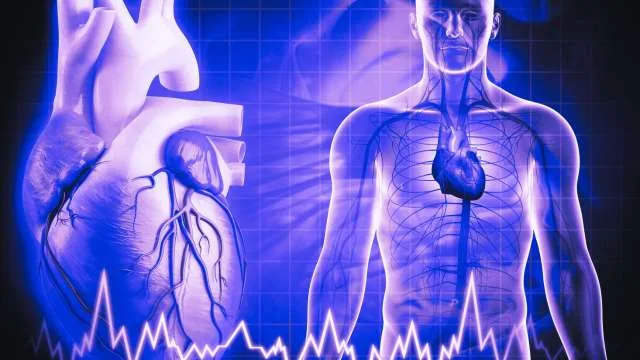
A heart monitor appearing in a dream symbolizes the need to check in with your emotional state regularly. It suggests paying attention to signals—mood shifts, fatigue, or irritation—that reveal how your heart is doing under pressure.
Stable readings in the dream point to emotional balance; erratic signals show volatility and the need for regulation. A flat line warns of emotional numbness or disconnection that may need gentle reawakening.
Practical moves: adopt short daily practices like breathing exercises, brief walks, or mood-check journals. These habits help you notice trends before they escalate and keep your emotional “vitals” in a healthier range.
Transplant Rejection
When a transplanted heart is rejected in a dream, it often reflects inner resistance to change or a fear of losing identity. This scene can symbolize how new ideas or relationships clash with long-held beliefs, triggering defensive emotions.
This dream also surfaces when you’re ambivalent about growth—part of you wants renewal, another part clings to the familiar. A rejected transplant urges exploration of what specifically feels unsafe about the change.
Work through the resistance by naming the fears, testing small changes, and keeping dialogue open with supportive people. Gradual exposure to new perspectives lets you evaluate what truly aligns with your values without forcing abrupt shifts.
Heart Donation
Dreaming of donating a heart emphasizes generosity, sacrifice, or the wish to support someone else’s emotional life. It can represent giving love freely or prioritizing another person’s needs over your own, which may be noble but also risky if it becomes one-sided.
Receiving a donated heart points to openness to outside influence—accepting help, love, or a new worldview that enriches you. Refusing to donate signals guardedness or fear of emotional vulnerability.
Balance giving with personal care: offer help in ways that don’t deplete you, set time-limited commitments, and check in with yourself after acts of service to ensure you feel nourished, not drained.
Heart Tattoo
Seeing a heart tattoo emphasizes identity and emotional values you want to display publicly. A new tattoo can indicate a commitment to love, a reminder to honor emotional truth, or the desire to declare feelings openly.
Noticing someone else’s heart tattoo often means you admire their emotional authenticity or wish to mirror their courage. Removing or covering a tattoo suggests hiding feelings or retracting a public emotional statement.
This dream invites reflection on how you present your feelings. If you want to be more authentic, start with a small, visible action—sharing a thought with a trusted friend or publicly supporting a cause you care about.
Heart-Shaped Objects
Finding heart-shaped objects—boxes, jewelry, or decorations—highlights tangible expressions of affection and the ways you store or give love. These items often represent memory, care, and the rituals you use to show appreciation.
A heart-shaped box might signify keeping emotions protected or secret; jewelry points to cherished bonds or commitments you value. Receiving such an item signals emotional recognition from others; giving one shows your wish to connect more deeply.
Use this dream as a nudge to notice how you express love daily: small, intentional gestures often mean more than grand declarations. Consider simple traditions or tokens that deepen connection without overwhelming you.
Heart-Shaped Food
Heart-shaped food—cookies, cakes, chocolates—symbolizes emotional nourishment and the small pleasures that feed your spirit. These images often relate to self-care, celebrations, or the warmth of sharing with others.
Preparing heart-shaped treats in a dream suggests you’re actively creating comfort for yourself or someone else; eating them points to accepting love and nourishment. Sharing such food highlights generosity and joy found in communal rituals.
Practical idea: schedule small acts of delight into your week—baking for yourself, savoring a favorite treat mindfully, or sharing a meal with someone—so you regularly receive the emotional “food” your heart needs.
Beating Heart Variations and What to Notice
Minor details change meaning: a strong steady beat reads as confidence; a racing pulse shows anxiety; a faint beat suggests low energy and vulnerability. Notice colors, sounds, and your reactions in the dream to refine interpretation.
These variations often point to actionable needs—more rest, clearer boundaries, or deliberate connection. Pay attention to where the heartbeat felt centered: in your chest, another person, or an object. That focus reveals where emotional attention belongs.
Try a short reflection: write down the most striking detail from the dream, rate its intensity from 1–10, and pick one step to address that level (rest if low energy, talk if anxiety is high, celebrate if joy is strong).
How to Use Heart Dreams to Support Waking Life
Heart dreams are practical tools when you treat them like data. Note the emotion, the heart’s condition, and key actions in the dream. This quick inventory gives clear clues about what your waking life needs—repair, rest, or renewal.
Share vivid dreams with a trusted friend or therapist to gain perspective and accountability. Sometimes an outside view helps translate dream images into concrete steps—like scheduling time alone, setting a boundary, or reconnecting with someone important.
Finally, create a tiny routine based on the dream’s message: five minutes of breathwork for anxiety, a weekly call to rebuild trust, or a creative ritual to celebrate new beginnings. Small, consistent actions turn dream insight into real change.