Dreams about riots usually point to emotional unrest, tension with others, or a pressing need for change in your waking life; they act as a symbolic shortcut to what your mind is struggling with right now.
Key Takeaways
- Riots in dreams often mirror inner stress, unresolved anger, or a sense that events around you are out of control.
- These dreams can signal a need for change, breaking old patterns, or standing up for your values.
- Dream riots may reflect tension with authority, social pressures, or the urge to express feelings you’ve suppressed.
- The specific setting, your role in the scene, and your emotions give the clearest clues about meaning.
- Not every riot dream predicts real danger—many are symbolic calls to examine relationships, stress, or personal limits.
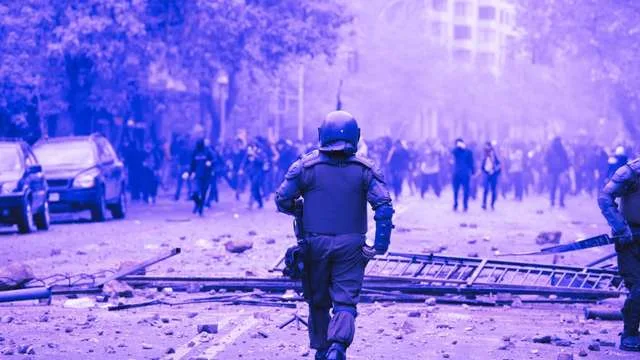
Table of ContentsTap to open
Symbolic Meanings of Dreams About Riots in a Dream
- Inner turmoil and unresolved emotion: A riot often stands in for feelings you haven’t processed—anger, fear, grief, or resentment—that feel loud and chaotic inside you.
- Pressure for change: Seeing or taking part in a riot can mean you’re ready to shake up your life or break out of routines that feel limiting.
- Conflict with authority or norms: Riots symbolize rebellion; they can point to a clash between your needs and the expectations or rules you face.
- Release of suppressed needs: Destructive or loud scenes may signal urges or truths you’ve been holding back and that now demand expression.
- Collective anxiety or social influence: Sometimes a riot reflects broader concerns—news, social tensions, or group dynamics—that affect your mood and choices.
Common Dreams About Riots and Their Meanings
Participating in a Riot
When you join a riot in a dream, it often signals active engagement with a conflict in your life. This can mean you’re taking steps to challenge something—an unfair situation, a toxic routine, or a relationship—and your mind frames that push as part of a larger upheaval.
The emotions you feel while participating matter: anger and adrenaline suggest urgent motivation, while excitement or relief may show liberation from a burden. If you feel guilt or fear, the dream might warn that your approach could have consequences.
To use this dream practically, ask where you’re feeling called to act in waking life. Are you ready to speak up at work, end a draining relationship, or change a harmful habit? The dream pushes you to consider not only action but the way you take it.
Observing a Riot from a Distance
Watching a riot from afar often reflects a sense of separation from conflict—feeling like an observer instead of an active participant. You may be aware of problems around you but unsure whether to get involved or how your involvement would change things.
At times this scenario signals anxiety about events you can’t control. It can also represent the experience of seeing social unrest through media without personal connection; for example, watching a riot on TV or social media may leave you feeling worried or helpless.
Reflect on whether you are avoiding a situation that requires your voice or energy. The dream may encourage you to decide whether to stay a bystander or to step forward in a measured, values-driven way.
Clashing with Riot Police or Authorities
Dreams that feature riot police, military forces, or other authorities usually highlight real or imagined pressure from rules, institutions, or people who control significant parts of your life. This image can reveal feelings of confinement, surveillance, or the sense that someone else dictates your choices.
If the dream shows direct conflict—shouting, pushback, or arrest—you may be wrestling with whether to resist restrictions. That resistance could be healthy boundary-setting, or it might be a sign you feel unjustly criticized or punished for standing your ground.
Use the dream to map where authority stress appears in your life: work policies, family expectations, cultural norms, or legal concerns. Decide where you need to negotiate, accept, or challenge those constraints thoughtfully.
Destructive Riots: Fire, Looting, and Vandalism
Dreams of buildings burning, shops being looted, or vandalism often represent a desire—conscious or not—to clear away what no longer serves you. Destruction in dreams can be a symbolic reset, indicating you’re ready to dismantle habits, roles, or beliefs that block growth.
But destructive imagery can also be unsettling because it shows loss: loss of stability, of assets, or of parts of your identity. If you feel horror or grief in the dream, it could warn that an impulsive decision might harm things you value.
When you wake, consider what you’re trying to change and whether a more constructive strategy exists. Transformation rarely needs to be ruinous; often, thoughtful dismantling—planning, letting go, rebuilding—leads to the healthiest outcomes.
Peaceful Protests and Organized Demonstrations
Not all collective action dreams are violent. Peaceful rallies, marches, or petitions in a dream point to purposeful, value-driven change. These scenes suggest you want your voice heard without causing harm, and you may feel aligned with a cause or principle.
Dreaming of organized demonstrations implies clarity about your goals and a belief in communal effort. You may be exploring ways to participate in change through dialogue, leadership, or advocacy rather than chaos.
If this dream feels empowering, consider what real-world steps match that energy—joining a group, organizing a conversation, or communicating your values in a clear, focused way.
Riots in Familiar Places: Home, Work, or School
When turmoil takes place in a known setting—your childhood neighborhood, workplace, or college campus—the dream points to conflict tied to that area of life. A riot at work, for instance, can symbolize unresolved tension with colleagues, fears about job security, or a desire to shift roles.
Similarly, a riot in your hometown may surface old family dynamics, identity questions, or long-standing resentments that resurface when you revisit those memories. In school settings, the dream can highlight stress about learning, judgment, or unmet potential.
These location-based dreams give concrete clues. Use them to identify specific relationships, duties, or histories that need attention; targeted action—conversation, boundary-setting, or therapy—often helps calm the inner unrest connected to these places.
Riots Involving Loved Ones
Seeing family members or close friends at the center of a riot signals relational stress. The dream may surface conflict, fear of losing connection, or the strain of hidden disagreements. Dreams like this push you to notice how personal relationships carry unresolved emotion.
If you are protecting someone in the dream, it shows protective instincts and loyalty. If you watch loved ones fight or get hurt, that may reflect worry about divisions growing in your circle or fear that a relationship won’t survive conflict.
Consider having open but compassionate conversations with the people who matter. These dreams often encourage repair, clearer boundaries, or the courage to address painful topics before they escalate.
Riots Coupled with Natural Disasters
When a riot joins forces with an earthquake, flood, or storm in your dream, the imagery raises the stakes: it suggests you’re facing emotional turmoil alongside sudden, overwhelming life changes. These combined scenes often point to times when multiple stressors collide.
If the dream includes both social chaos and a natural event, it can highlight feeling out of control on two fronts—personal upheaval and outside forces—making coping feel doubly hard. Such dreams ask you to notice both internal reactions and external pressures.
Look for ways to build resilience: prioritize basic needs, create small stabilizing routines, and seek support so you aren’t handling structural change and emotional strain alone. If you want more context on symbolic storms, see natural disasters.
Riots Linked to Historical or Political Themes
Dreams that echo historical uprisings or political protests often reflect your interest in justice, values, or identity. They can show how larger cultural movements influence your personal beliefs and motivate you to act on behalf of causes you find meaningful.
These scenes can also be a way your mind processes collective trauma or the pressure of living in a politically charged time. If the dream references specific events or eras, it may track how history shapes your sense of fairness or anger.
Use these dreams to clarify what you stand for and how you want to engage—whether through learning, conversation, activism, or personal practice. The dream asks: how will you channel broad concern into focused, sustainable action?
Escaping, Hiding, or Being Trapped in a Riot
Dreams where you try to flee a riot, hide, or feel trapped highlight feelings of vulnerability and overwhelm. Escape scenes often reveal a need to protect yourself—emotionally, physically, or socially—from situations that feel unsafe or chaotic.
Being unable to escape can point to a sense of powerlessness in waking life—perhaps job stress, an abusive pattern, or a relationship where you feel unheard. The dream draws attention to limits you want to break free from but can’t yet.
When this pattern appears, focus on practical options to increase your safety and agency: plan exit strategies, set boundaries, and ask for help. Even small steps toward control often shift the tone of these dreams toward relief.