Dreaming of bones usually points to what matters most beneath the surface: your core fears, unresolved memories, and the foundations you rely on—these dreams ask you to examine vulnerability, personal strength, and necessary change.
Key Takeaways
- Bones in sleep-images often represent the essential structure of who you are—physically, emotionally, and spiritually.
- Such dreams can highlight unresolved past issues or signal that you’re facing a period of personal rebuilding.
- Context matters: whether bones are whole, broken, ancient, or decorative changes the message.
- These images can indicate both endings (loss, letting go) and new beginnings (healing, rediscovery).
- Pay attention to emotions in the dream—fear, curiosity, disgust, wonder—to guide practical next steps.
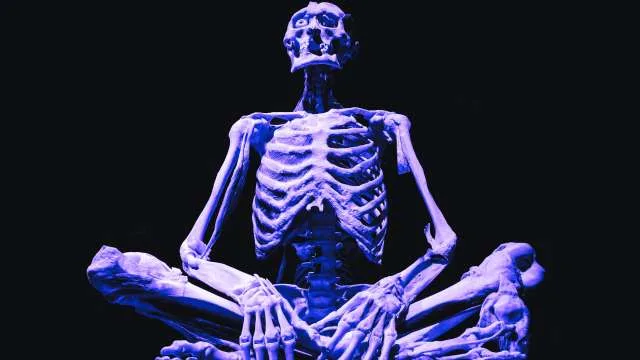
Table of ContentsTap to open
Symbolic Meanings of Dreaming of Bones in a Dream
- Core identity and structure: Bones symbolize the framework that supports you—values, beliefs, roles. Dream imagery about bones often asks where your life’s structure is solid and where it needs attention.
- Mortality and life cycles: Seeing bones can bring awareness of endings and beginnings. The dream may remind you that change is part of life and urge you to prioritize what matters.
- Unfinished emotional business: Dreams with bones can point to old hurts or unresolved issues. They invite gentle investigation into what you’ve stored away and how it shapes current choices.
- Resilience and recovery: Bones also mean what remains when the surface is stripped away—your ability to recover and rebuild after loss, stress, or change.
- Ancestral and cultural ties: Bones can stand for lineage or tradition. These dreams may prompt you to reflect on family patterns, inherited beliefs, or the need to reconnect with your roots.
Common Dreams About Bones and Their Meanings
Finding bones in the ground
Finding bones in a dream often feels startling. That moment can point to unexpected discoveries about your past—memories, secrets, or feelings you’ve buried. The dream asks you to acknowledge what you’ve uncovered rather than bury it again.
Emotion in that scene guides interpretation: curiosity suggests readiness to examine the past; horror suggests the discovery is overwhelming and may need outside support to process. Use it as a cue to journal or speak with someone you trust to sort through what surfaced.
Practically, this dream can signal the start of a healing process: reconciling a relationship, revisiting old choices, or finally naming a long-ignored emotion. Take small steps—write down what you remember and note any recurring themes.
Handling human bones
Touching or holding human bones in a dream emphasizes intimacy with vulnerability. It can reflect a direct confrontation with mortality, your own or someone else’s, and can bring up anxieties about loss or aging.
This scenario may also reveal emotional exposure—feeling raw or unsupported. If you felt calm while handling the bones, it suggests growing acceptance and inner steadiness; if you felt disgust or fear, the dream highlights an area that needs protection or healing.
Respond practically by checking your support systems. Are you neglecting emotional needs? Consider reaching out, practicing self-care, or seeking professional help if the feelings are intense or recurring.
Seeing animal bones outdoors
Finding animal bones in nature often points to instincts, survival feelings, or parts of yourself that feel more primitive or basic. The specific animal can influence the nuance—predator bones suggest power dynamics; smaller prey bones suggest vulnerability or scarcity.
This image frequently invites reconnection with simpler needs—safety, food, rest—or a reminder to respect natural cycles. It may encourage you to accept parts of yourself you’ve judged or ignored, especially instincts that helped you survive difficult times.
Practical steps include grounding practices—time outside, simple routines, or mindful eating—and noticing whether you’ve been denying basic needs while pursuing higher goals.
Broken bones
Dreaming of broken bones points to injury—emotional, relational, or practical. It often signals that something you relied on has failed or that you’ve been pushed beyond current limits.
These dreams can be uncomfortable but useful: they highlight specific areas that need repair and suggest slowing down to allow recovery. The dream may also reflect fear of being fragile or not having enough support to heal.
Actionable responses include identifying the “broken” area (work, relationship, health), seeking medical or emotional support, and pacing your recovery. Treat the dream as a prompt to build a safer, more sustainable structure.
Healing a broken bone
Dreams where a broken bone mends are encouraging: they speak to active recovery. These scenes can reflect personal growth after hardship, showing that attention and time produce real repair.
Details matter: slow, steady healing suggests a patient process; sudden, miraculous mending may indicate wishful thinking or an optimistic shift in mindset. Either way, the dream supports persistence and realistic steps toward recovery.
Take it as permission to follow a healing plan—physical therapy, therapy sessions, or consistent self-care. Celebrate small improvements and avoid pushing too fast, which risks re-injury.
Uncovering dinosaur or ancient bones
Discovering ancient or dinosaur bones in a dream often symbolizes contact with deep history—personal, familial, or cultural. The image can represent long-standing patterns, ancestral stories, or knowledge that shaped your lineage.
It may also reflect a desire for perspective—looking at your life against a larger timeline—or curiosity about forgotten wisdom. Sometimes these dreams indicate the need to re-examine traditions that feel outdated or to reclaim lost strengths.
Practically, this dream can be a prompt to research family history, ask elders about their experiences, or reflect on which inherited beliefs you want to keep or release. It’s an invitation to learn and reframe.
Wearing bone jewelry or artifacts
Wearing bone jewelry in a dream often represents a conscious choice to carry a symbol of identity, protection, or memory. It can point to how you present your history or values to the world.
If the jewelry felt meaningful, the dream may encourage honoring cultural roots or integrating a spiritual practice. If it felt uncomfortable or embarrassing, it could indicate conflict about identity or the desire to hide certain origins.
Consider what you display publicly versus what you keep private. This dream can motivate thoughtful expression—choosing symbols that feel authentic and supportive rather than performative.
Seeing or extracting bone marrow
Bone marrow in dreams points to life force and inner vitality. Because marrow produces the body’s blood cells, dreaming of it often refers to core energy, creativity, and what nourishes you from within.
If you see rich, healthy marrow, the dream may signal robust reserves of strength and creativity. If the marrow appears drained or missing, it can reflect burnout, physical exhaustion, or emotional depletion.
Respond by assessing your daily fuel: sleep, nourishment, meaningful activity. Replenishment might mean rest, changing routines, or reconnecting with work that feels purposeful and life-giving.
Bone dust, ashes, or scattered fragments
Bone dust or ashes commonly symbolize final release and transformation. These images point to the end of a cycle and the small, intimate remnants left behind—things that must be acknowledged and then allowed to move on.
This scene can be peaceful or unsettling depending on how you feel in the dream. Peace suggests acceptance and readiness to let go; distress suggests resistance and lingering attachment to what has ended.
Practically, use the dream as a prompt to perform a symbolic act of closure—writing a goodbye letter, holding a small ritual, or clearing physical spaces tied to what you’re leaving behind.
Admiring or creating bone sculptures or art
Bone art in dreams often highlights creativity that draws on difficult material—turning what feels raw or taboo into meaning or beauty. It can reflect the impulse to transform pain into expression.
If you admire the art, the dream suggests appreciation for unconventional beauty and the courage to face difficult material. Creating the piece points to active processing—using art, writing, or conversation to reframe experience.
If you destroy the art in the dream, it might show self-doubt about your creative voice or fear of exposing inner material. Consider gentle ways to experiment with expression in safe spaces.
Using or being attacked with bone weapons or tools
Bone weapons in a dream point to edged instincts—defense, aggression, or the need to protect boundaries. Using them may show resourcefulness under pressure; being attacked can indicate feeling threatened or judged.
Reflect on current conflicts: are you defending a boundary or reacting from fear? These dreams spotlight the balance between protection and escalation and ask whether a firmer boundary or a de-escalation is needed.
Practical steps include clarifying limits with others, practicing assertive but calm communication, and seeking conflict-resolution strategies rather than reacting purely from instinct.
Living in bone furniture or structures
Bone-based structures in a dream emphasize the foundations of your life—home, relationships, career. Comfortable, sturdy bone furniture suggests dependable foundations; collapsing structures point to instability or fear of collapse.
This imagery invites you to examine what supports you daily. If the structure felt cold or strange, it might reflect living by inherited rules or expectations that no longer fit. If it felt oddly fitting, you may be embracing an unconventional but authentic path.
Use the dream to assess where stability is strong and where reinforcement is needed—financial planning, relationship work, or establishing healthier routines can shore up weak spots.
Carving or studying bone engravings
Carvings and engravings speak to storytelling and legacy. Dreaming about them suggests an urge to record meaning, pass on lessons, or sculpt your story so it endures beyond you.
Creating carvings points to active legacy work—teaching, writing, or mentoring—while studying them suggests learning from ancestors or cultural histories. Destroying carvings may signal internal conflict about heritage or a desire to break with tradition.
Act on the dream by capturing small pieces of your story—letters to loved ones, recorded memories, or projects that let you shape how you’ll be remembered. This turns abstract longing into tangible legacy.
For references about how the past influences dreams: past experiences and, when animal symbols appear, see: animals.