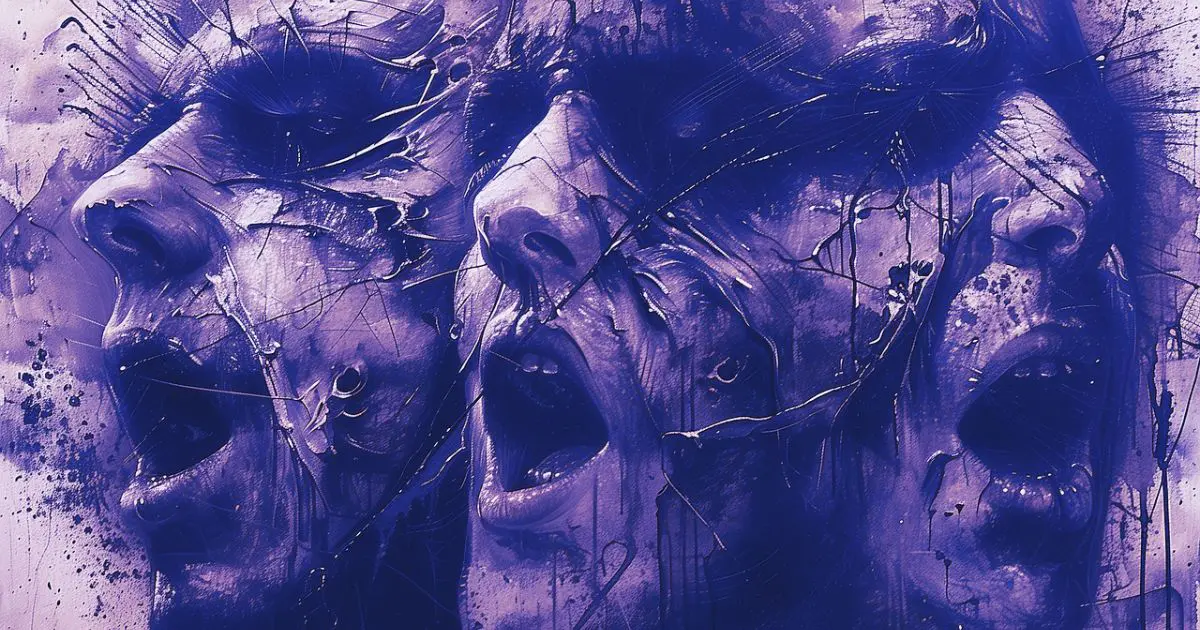
Dreaming of being sick usually signals emotional strain, psychological imbalance, or a call to slow down and care for yourself rather than predicting a physical ailment—when you interpret these images you’ll find they reveal stressors, unmet needs, or transformation. The phrase dreaming of being sick captures how your inner world uses illness as a metaphor for vulnerability, exhaustion, and the need for healing.
Key Takeaways
- Dreaming of being sick is typically symbolic—highlighting emotional, mental, or spiritual issues rather than literal disease.
- These dreams can point to burnout, powerlessness, or unresolved feelings that need attention.
- They often urge you to prioritize self-care, set boundaries, or seek support to restore balance.
- Specific details—location, people involved, and type of illness—help clarify which area of life needs care.
- Interpreting the dream in context of your waking life produces practical steps toward recovery and growth.

Table of ContentsTap to open
Symbolic Meanings of dreaming of being sick in a Dream
- Emotional overload: Illness in a dream frequently represents emotions that have become overwhelming—grief, anxiety, shame, or anger that you’re carrying. The dream is asking you to notice what you’ve been avoiding and to process it with compassion.
- Loss of control: Feeling physically unwell in sleep often mirrors a sense of helplessness in waking life—situations where you can’t influence outcomes or where responsibilities feel unmanageable.
- Wake-up call for self-care: Sickness can be a symbolic red flag telling you to rest, set healthier limits, or adopt routines that support recovery—emotional and physical.
- Need for support and connection: When illness appears in dreams, it can point to a longing for care—either to receive it or to give it—and to the state of your close relationships.
- Transformation and release: In some dreams, falling ill signals the end of a phase and the beginning of change; illness can represent the necessary breakdown before renewal.
Common Dreams About Being Sick and Their Meanings
Alone and sick at home
Dreaming you’re sick and alone at home often reflects feelings of isolation while coping with emotional strain. The home setting points to private, personal matters—relationships, family dynamics, or inner beliefs—that are causing you stress but that you feel you must face without help.
Pay attention to how well you manage in the dream: do you call for help, or struggle in silence? Struggling alone suggests you may be hesitant to ask others for support; calling for help can reveal a readiness to reach out and accept care.
Practically, this dream asks you to inventory your support network and to make small, concrete steps to involve others—phone a friend, schedule a talk with a counselor, or set boundaries that prevent further depletion.
Hospitalized or in medical care
Being hospitalized in a dream highlights a strong need for rest, professional help, or a deliberate healing period. Hospitals are places of treatment and recovery, so this scene suggests that your psyche recognizes the need for structured care or a break from daily stressors.
The dream details matter: a chaotic ward may reflect overwhelm in life roles, while a calm room suggests a yearning for peaceful recovery. Staff behavior mirrors how safe and supported you feel asking for and receiving help.
Use this symbol as permission to create a recovery plan: prioritize sleep, seek medical or mental health advice if needed, and schedule time off or reduced responsibilities to allow real-world healing.
Taking medication or treatment
Dreams where you take medicine often symbolize attempts to cope—temporary fixes versus long-term solutions. Prescription medication in a dream can imply the need for professional guidance, while over-the-counter remedies suggest you’re looking for quick relief rather than deep change.
If the medication in the dream works, it may indicate hope that steps you’re taking will help. If there are side effects or the drugs don’t help, the dream warns that current coping strategies might be ineffective or harmful.
Reflect on whether you’ve been relying on short-term distractions. Consider professional help, consistent routines, or therapeutic practices that address root causes rather than surface symptoms.
Contagious illness and fear of spreading sickness
Dreams of contagious diseases often express anxiety about being influenced negatively by others or contaminating relationships with your behavior. “Contagion” becomes a metaphor for toxic patterns, gossip, or recurring family dynamics you fear passing on.
Quarantine scenes point to a desire to protect yourself or others—sometimes healthy boundary setting, sometimes avoidance. Spreading illness in a dream may reveal guilt about how your actions affect those around you.
Ask where boundaries are weak in your life and what you can do to contain harmful patterns—set clearer limits, change routines, or repair relationships where you feel responsible for harm.
Caring for a sick family member or friend
When you dream of nursing someone who’s ill, the image speaks to your caregiving role and the emotional labor you perform. The dream can celebrate your compassion or highlight caregiver fatigue and resentment brewing beneath the surface.
The identity of the person matters: caring for a child can point to your inner vulnerability; caring for a parent can suggest reversal of roles and unresolved family duties. Your emotional response in the dream—frustration, love, exhaustion—reveals how you feel in waking caregiving situations.
This dream invites you to assess your limits. Practice asking for help, share responsibilities, and create self-care rituals to avoid burnout while maintaining your desire to support loved ones.
Sick in a public place, like work or school
Feeling ill in public—at work, school, or during a presentation—often symbolizes performance anxiety, fear of exposure, or worry about failing in roles where you must perform. It’s a common dream when pressure and expectations feel unrelenting.
The dream may point to perfectionism or imposter feelings: being sick in front of colleagues or classmates amplifies fear of judgment. Alternatively, it can show a need to step back and evaluate career or academic choices that are draining you.
Respond by identifying stressors at work or school, speaking to supervisors or mentors about workload, and setting realistic goals. Small boundary changes can reduce the sense that you’ll “collapse” under pressure.
Recovering and regaining strength
Dreams of recovery—regaining health, celebrating small improvements, or finishing rehab—signal resilience and the process of healing. These dreams often arrive when you’ve started to make changes and your inner world acknowledges progress.
Pay attention to the pace of recovery in the dream. Rapid improvement may reflect optimism and momentum; slow healing can point to the need for patience and trust in long-term processes.
Use these dreams as encouragement: reinforce healthy habits you’ve started, celebrate small wins, and remain consistent with practices that support sustained recovery—therapy, exercise, better sleep, or supportive relationships.
Terminal illness, death, or end-of-life scenes
Dreams that feature terminal illness or death are usually symbolic of endings—of relationships, roles, jobs, or ways of being. Rather than literal predictions, they represent psychological transitions and the necessity of letting go to make space for something new.
Such dreams can be emotional and may stir grief; that grief is important work. The presence of acceptance versus panic in the dream indicates whether you are ready to release old patterns or resisting necessary change.
Reflect on what’s ending in your life and what you gain by letting go. Rituals of closure, honest conversations, and planning for the future can help you move through the transformational process these dreams signal.
Seeking alternative or holistic healing
When your dream centers on herbal remedies, energy work, or spiritual practices, it often shows a desire for integrative healing—solutions that address mind, body, and spirit together. These images point to exploring nontraditional supports that feel more aligned with your values.
Energy-healing scenes suggest you’re exploring emotional clearing or energetic balance; rituals and meditative practices in dreams show a wish for meaning and inner peace rather than simply symptom control.
If this resonates, experiment with gentle, complementary practices—mindfulness, breathwork, trusted holistic practitioners—and combine them with evidence-based care when appropriate for a balanced approach.
Chronic or relapsing illness
Recurring sickness in dreams often mirrors persistent problems in waking life—habits, relationships, or mental health concerns that return despite attempts to fix them. Such dreams can represent frustration at repeating the same cycle.
They call attention to the need for different approaches: new coping tools, deeper therapy work, or structural changes that address root causes rather than surface patterns that keep repeating.
Work on identifying triggers, seek long-term strategies rather than quick fixes, and consider support systems that can help you maintain change, such as coaching, support groups, or consistent therapeutic care.
Being a doctor or caregiver in the dream
Dreaming you’re a doctor caring for patients often symbolizes your desire to help, fix, or guide others—and sometimes to heal your own wounded parts. Playing the helper role can reflect strengths in empathy and problem-solving, or an urge to regain control through care-taking.
Diagnosing or performing surgery in the dream suggests you’re confronting problems directly and want to remove what’s harmful from your life. Conversely, feelings of doubt while in the doctor role can reveal imposter syndrome or uncertainty about your capacity to help.
Honor the impulse to support others while also recognizing when you need care yourself. Balancing giving with receiving prevents compassion fatigue and allows you to be an effective, sustainable helper.
Being a sick child or an elderly person
Dreams where you are a sick child point to unmet needs from the past—your inner child requesting comfort, safety, or repair. These scenes often surface when old wounds or formative experiences need attention and compassionate re-parenting.
Conversely, dreaming you are an elderly person and unwell can signal concerns about aging, vulnerability, or the wisdom that comes with life experience. That perspective invites reflection on mortality, legacy, and the priorities you want to embrace.
Both images ask you to tend to different parts of yourself: give the inner child reassurance and boundaries, and allow the elder aspect to inform decisions with long-term perspective and acceptance. If specific past traumas surface, consider targeted therapy to process them—see past experiences for context.
Illness tied to a specific disease
Dreaming of a particular condition—such as cancer, heart disease, or respiratory illness—uses the symbolism of that disease to point to emotional or relational dynamics. For example, a cancer dream may express the sense that something is “eating away” at you emotionally or socially, while heart-related images often focus on love, grief, or compassion.
If your dream references a serious illness, you don’t need to assume it forecasts your health; instead, explore what that disease evokes for you personally—fear, loss, betrayal, or a long-term struggle—and how those themes play out in your life.
When these images are vivid, they can be a prompt to examine deep-seated fears and to take active steps toward healing: therapy, boundary work, or meaningful lifestyle changes. If you want more on specific symbols, you can read about dreams of cancer or follow up on medical situations like surgery in waking life.
When dreams create guilt about harming others
Dreams in which your illness infects someone else often point to fear and guilt around how your choices affect people close to you. These scenarios may arise when you’ve made decisions that feel selfish or when you’re worried your problems will burden loved ones.
Such dreams encourage honest assessment of responsibility and restitution: think about whether you need to apologize, undo harm, or adjust behavior to reduce harm going forward. They also remind you that not all consequences are entirely your fault—context matters.
Addressing these fears requires compassionate action—open conversations, steps to repair relationships, and learning to accept that while you are accountable, you are also entitled to care and recovery without perpetual self-blame.
Nightmare intensity and emotional residue
Sometimes the most vivid sickness dreams are raw because they reflect immediate emotional overload—acute stress, trauma processing, or grief. The intensity of the dream often matches the urgency of the waking issue demanding attention.
After a particularly strong dream, observe how long the emotional residue lasts. If it colors your day, it’s a signal to take concrete steps: grounding exercises, journaling, or speaking with a trusted person to process the material and regain perspective.
Frequent intense dreams might suggest deeper unresolved trauma or chronic stress—seek consistent support and consider therapeutic approaches designed for trauma recovery to alleviate the nightly symptom of distress.
Balancing symbolic insight with practical health checks
While most sickness dreams carry symbolic meaning, they can also reveal neglected physical needs—poor sleep, unresolved medical issues, or extreme exhaustion. Treat dreams as clues, not diagnoses: use them to guide self-reflection and practical action.
If dreams coincide with real physical symptoms—unusual pain, long-term fatigue, or rapid health changes—consult a healthcare professional to rule out medical causes. Combining symbolic exploration with physical care creates a fuller path to wellbeing.
Integrate insights from your dreams into a wellness plan: schedule checkups, build restorative routines, and create emotional supports. This balanced approach honors both the psychological messages of dreams and your body’s real needs.