
An apron in a dream commonly stands for care, protection, and responsibility; seeing one in your sleep often points to how you manage duties, shield yourself or others, and balance personal identity with expectations.
Key Takeaways
- An apron often symbolizes caretaking, safeguarding, and practical responsibility in your life.
- Context matters: who wears it, its condition, and the setting change its meaning dramatically.
- Dream aprons can reflect pressure from tradition, a new role you’re stepping into, or a desire to hide emotions.
- Colors, pockets, and whether the apron is clean or stained reveal emotional clues about pride, shame, or resilience.
- Use the dream’s feelings—comfort, shame, pride—to guide how you respond in waking life.
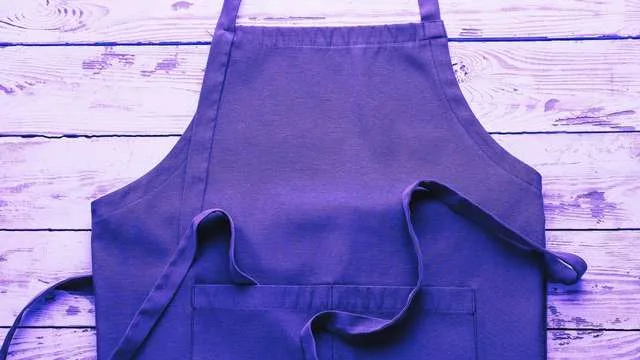
Table of ContentsTap to open
Symbolic Meanings of an Apron in a Dream
- Protection and boundary-setting: An apron often acts as a barrier between you and messy or harmful elements. In a dream it can signal your desire to protect your reputation, emotions, or loved ones. Think of it as a symbolic shield you put on when you need to keep outer stressors from affecting your inner life.
- Nurturing and caretaking: Aprons connect strongly with feeding, tending, and caregiving. Dreaming of one may reveal how invested you are in supporting others or nurturing projects. It can highlight a readiness to invest time and attention to help someone grow or to bring an idea to life.
- Commitment and duty: Wearing an apron in sleep can mean you’re accepting a new responsibility or recommitting to a role—whether at home, work, or in a community. The apron stands for hands-on effort and the practical steps required to complete tasks.
- Identity and roles: Because aprons carry cultural weight, they can represent expectations about gender, tradition, or professional identity. The dream may ask whether you accept those roles or want to rewrite them to better fit who you are now.
- Hidden aspects and compartmentalization: Aprons with pockets or layers suggest you are managing different parts of yourself separately. This image can point to secrets you keep, emotions you tuck away, or skills you reserve for certain situations.
- Shame, pride, or reputation: A dirty, torn, or stained apron often reflects guilt, worry about judgment, or unfinished emotional work. A clean, well-kept apron can symbolize pride in your abilities and satisfaction with how you care for others or complete tasks.
Common Apron Dreams and Their Interpretations
Wearing a Clean Apron
Putting on a clean apron in a dream tends to feel reassuring: you’re prepared and organized for the task ahead. This image often points to confidence in your ability to manage responsibilities and to present yourself well in front of others. It suggests readiness rather than anxiety.
Emotion matters: if you feel calm or proud while wearing it, the dream affirms competence and self-respect. If wearing it makes you uneasy, the apron may represent a role you’ve accepted outwardly but don’t feel comfortable inhabiting.
Practically, this dream invites you to notice where you feel capable in waking life. It can be a prompt to accept tasks that align with your strengths and to keep systems in place that let you maintain that clean, steady appearance.
Wearing a Dirty or Stained Apron
A stained or soiled apron commonly connects to feelings of guilt, embarrassment, or worry about how others see you. In a domestic or workplace scene, it can signal mistakes, unresolved conflicts, or fear of failure in caregiving or professional duties.
Look at the stain: is it grease from cooking mistakes or a dark smear implying a deeper emotional wound? The dream asks you to acknowledge what’s weighing on you and to consider small, practical steps to repair reputation or to process the guilt you carry.
In waking life, this dream encourages cleaning up loose ends—apologizing where needed, setting boundaries that prevent burnout, or seeking help to address the emotional source of the stain so it stops spreading.
Tying or Untying the Apron
Tying an apron’s strings suggests preparation, acceptance of a role, and readiness to get to work. It’s an active gesture that signals commitment: you’re choosing to engage and to take responsibility for a situation or relationship.
Untying an apron often represents stepping back. You might be seeking rest after a period of labor, or you could be distancing yourself from a role that no longer fits. The act can carry relief, sadness, or apprehension depending on context.
Use this dream as a cue: if you’re tying the apron, identify what obligations you’re preparing for and whether they align with your values. If you’re untying it, reflect on what freeing yourself would cost and whether you need to negotiate new boundaries first.
Receiving an Apron as a Gift
When someone gives you an apron in a dream, the gift often marks trust or expectation. It can mean that another person is asking you to take on a domestic or supportive role, or that a community offers you recognition for your caregiving or practical skills.
Consider who gives the apron: a loved one may be passing on family responsibilities; a boss may be delegating tasks; a mentor might be acknowledging your readiness to lead. The feeling in the dream—honored or pressured—shapes the interpretation.
In waking life, this scenario suggests weighing the offer carefully. Accepting may open opportunities for growth, while declining could be a healthy move if the role conflicts with your needs or limits.
Losing or Forgetting an Apron
Forgetting an apron before you start a task reveals anxiety about being unprepared. This dream often shows fear of failing in a role you value, or a sense that you lack tools—emotional, practical, or social—to meet expectations.
It may also reflect burnout: you’ve been stretched thin and, in the dream, crucial items slip your mind. The scenario pushes you to inventory what’s missing in your life—sleep, support, training—and to address those gaps.
Respond practically by listing what you need to feel ready. Ask for help where preparation is lacking, or simplify responsibilities so you aren’t setting yourself up to forget essential “tools” again.
Making or Sewing an Apron
Creating an apron by hand in a dream emphasizes personal investment and creativity. Sewing suggests you are shaping your role consciously rather than accepting something pre-made; you’re tailoring responsibilities to fit who you are.
This dream points to hands-on problem solving and the satisfaction of craftsmanship. It can also indicate a healing process: mending damaged parts of your life or relationships one stitch at a time.
Take it as encouragement to design roles that suit your strengths. Whether that means carving out a niche at work or redefining family duties, the dream values deliberate, patient effort over quick fixes.
Seeing Someone Else Wear an Apron
Spotting another person in an apron prompts reflection on how you view their role or your relationship to them. If they are a parent or partner, the image may reveal expectations you place on them or feelings about their caregiving style.
Notice your reaction—admiration, resentment, indifference. Admiration suggests you want to emulate their discipline; resentment could mean you feel overshadowed or burdened by comparing roles.
This dream invites honest conversations. If someone’s apron-wearing role affects you, talk about shared responsibilities or boundaries so roles become fair and clear rather than a source of tension.
Wearing an Apron at Work or in Public
An apron in a public or professional setting shifts the focus to reputation and performance. Here it often symbolizes how you present your competence in front of peers, clients, or bosses and whether you feel sheltered or exposed.
If you feel confident, the dream can signal pride in your craft. If you feel judged, it may point to imposter syndrome or fear that your private efforts will be scrutinized publicly.
Use this dream to assess how visible you want your work to be. Build supports—training, clear processes, allies—that let you step into public roles with less anxiety and more authenticity.
Apron with Pockets or Hidden Compartments
An apron that features pockets implies you’re organizing aspects of your life into manageable compartments. Pockets can hold tools, secrets, or emotional supplies you pull out when needed, signaling thoughtful planning or guardedness.
Dream feelings matter: if you feel relieved to keep things in pockets, you’re managing boundaries well. If pockets overload and spill, the image warns you’re overburdened and need to redistribute items—tasks or emotions—elsewhere.
In practice, this dream suggests reviewing what you store away. Delegate where possible, journal or talk through what you hide, and create systems so pockets don’t become overflowing stress points.
Apron with Decorative Embroidery or Bright Colors
An embellished or colorful apron highlights personal expression within duty. Embroidery, patterns, or bright hues say you want your tasks to reflect your identity and creativity rather than be purely functional or invisible labor.
This dream often appears when you find meaning in small rituals—cooking to celebrate family, crafting to honor tradition—and reminds you that care work can be a source of joy when it carries your signature.
Consider ways to make required tasks more fulfilling: add personal touches, rituals, or creative approaches so responsibility becomes a form of self-expression instead of drudgery.
Apron in a Religious or Ceremonial Setting
An apron in a spiritual context points to service, humility, or ritual responsibility. Here it may symbolize dedication to a community or a commitment to spiritual practices that require daily tending and respect.
Feelings in the dream indicate whether service feels like devotion or obligation. If you feel uplifted, the apron affirms meaningful participation; if burdened, it may call for reassessing how you serve so it nourishes rather than depletes you.
In waking life, check whether your spiritual or community roles align with your values. Adjust commitments so service remains sustainable and spiritually nourishing instead of purely dutiful.
Cooking or Baking While Wearing an Apron
Dreaming of cooking or baking while wearing an apron often centers on nurturing and the pleasure of providing for others. It can symbolize emotional nourishment—how you feed relationships and the care you put into nourishing projects.
When cooking goes well in the dream, it points to competence and contentment in caregiving roles. If food burns or the recipe fails, the dream may reflect doubts about your ability to meet expectations or anxiety about letting others down.
The scene encourages practical checks: are you balancing nourishment for others with self-care? If cooking in the dream brings joy, lean into those creative, sustaining activities; if it brings stress, examine what support or boundaries you need.
| Dream Scenario | Interpretation |
|---|---|
| Cooking a meal | Nurturing and caring for others, providing sustenance |
| Baking treats | Creating something special or indulgent for loved ones |
| Burning or ruining the food | Feelings of inadequacy or failure in nurturing roles |
Receiving an Apron as a Symbol of New Duty
Getting an apron in your dream as a gift or handover signals the start of a responsibility someone trusts you with. It can mean a literal new duty—parenting, caregiving, or a role at work—or a symbolic step into a tradition or family expectation.
Observe how you feel: proud acceptance suggests readiness, while hesitation may mean the role conflicts with your needs. The dream invites honest consideration about whether to accept, modify, or decline the role offered.
To act on this dream, list the practical demands of the new duty and weigh them against your resources. Negotiate terms that prevent overwhelm and keep the work meaningful rather than simply obligatory.
Removing an Apron and Feeling Free
Taking off an apron in a dream often reflects a desire to reclaim personal time, identity, or autonomy. This gesture can represent setting boundaries, finishing a period of service, or choosing rest after labor.
If removing the apron brings relief, the dream encourages honoring that need. If it brings guilt, explore whether societal pressures or internalized expectations drive your discomfort and find small steps to ease the transition.
Practically, this dream suggests scheduling recovery and carving out activities that restore you. Communicate changes to others so you can step away while maintaining respect and cooperation.
Apron Made of Unusual Material (Leather, Metal, etc.)
An apron crafted from leather, metal, or another odd material highlights resilience, protection, or a departure from tradition. Heavy or armored aprons imply you feel the need for toughness to face emotional or practical challenges.
Such a dream can point to adaptive strategies—using unconventional tools to survive stress—or to a defensive stance that isolates rather than connects. The material signals how extreme your protective measures have become.
Reflect on whether your defenses help or hinder relationships. If the material feels too rigid, experiment with softer protections like clear boundaries and supportive routines that allow vulnerability without danger.
Apron in an Unusual Color
Colors add emotional nuance: a white apron often suggests purity, a fresh start, or clean intentions; black may indicate grief, heavy responsibility, or a period of intense seriousness; colorful patterns usually signal joy, creativity, or the desire to personalize duty.
Pay attention to how the color makes you feel in the dream. A bright color that lifts you points to finding meaning in tasks; a dark color that weighs you down signals unresolved sorrow or duty worn as burden.
Use the insight to name the emotion you’re carrying. If the color reflects a need for renewal, take steps toward a fresh start; if it reveals grief, create space to process and seek support.
Related: Dream of a Radio Station
Remember, dream meaning depends on your personal story and how the apron appears: its condition, who interacts with it, and the feelings it stirs. For more on how colors influence symbol reading, consider how an unusual hue felt in your dream and read about the colorful details that may change your interpretation.
If you want historical or cultural background, note that interpretations vary by tradition—some sources explore the apron as a sign of service or cultural identity in depth; see perspectives on dreams involving aprons for an additional viewpoint.