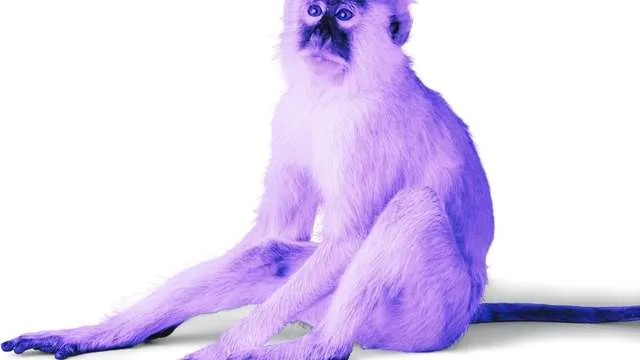
Dreaming of a monkey often points to instincts, curiosity, and social dynamics playing out beneath your conscious thoughts; this dream image can signal playful creativity, unresolved mischief, or a nudge to examine who and what influences your behavior.
Key Takeaways
- Monkeys in dreams frequently represent instinctive urges, curiosity, and playful energy.
- They can highlight adaptability or the need to respond cleverly to changing situations.
- Sometimes monkey imagery warns of deception, mischief, or people who aren’t sincere.
- These dreams may encourage reclaiming spontaneity, exploring creativity, and balancing responsibility with joy.
- Context—behavior of the monkey, setting, and your feelings—shapes the meaning most strongly.
Table of ContentsTap to open
Symbolic Meanings of Dreaming of a Monkey
- Instinct and Impulse: A monkey often points to your more primitive impulses—desire, spontaneity, and quick reactions. In a dream it can be a reminder to notice where instincts are helping or hijacking decisions.
- Curiosity and Playfulness: When the monkey is lighthearted, it highlights exploration, creative play, and a wish to loosen up. This meaning encourages experimenting and embracing wonder without overthinking.
- Mischief and Distrust: A sneaky or chaotic monkey can signal deception—either someone around you who’s manipulative or aspects of your own behavior that are disruptive and need attention.
- Adaptability and Resourcefulness: Monkeys are agile problem-solvers. Dreams that show climbing, foraging, or improvising can point to your ability to adjust, find solutions, and use limited resources wisely.
- Social Dynamics and Group Influence: A group of monkeys often symbolizes peer pressure, community habits, or how you fit into social systems. This can be positive (belonging) or negative (conformity).
Common Dreams About Monkeys and Their Meanings
Friendly Monkey Dream Meaning
When a monkey in your dream is amiable—approaching you, playing gently, or offering food—the image usually signals warmth, curiosity, and a safe invitation to reconnect with lighthearted parts of yourself. This scene often appears when your waking life needs a reminder to rest, play, or welcome spontaneous joy.
A friendly monkey can also represent a benevolent influence or a person who brings out your playful side without judgment. Pay attention to interactions: if you reciprocate ease and laughter, the dream supports leaning into those relationships.
Practically, this dream is an encouragement to schedule low-stakes fun and to try activities that spark curiosity. Emotionally, it asks you to lower defenses, let small pleasures in, and accept gentle companionship where you find it—sometimes even from unexpected places such as a new colleague or neighbor.
Mischievous Monkey Dream Meaning
A mischievous monkey creating chaos—stealing items, making messes, or pulling pranks—often points to disruption in your life caused by careless behavior, either yours or someone else’s. The dream highlights small actions that produce outsized consequences and asks you to identify the source of instability.
This dream can also reflect inner restlessness: a part of you that resists rules and seeks novelty, sometimes at the cost of order. Consider where impulsivity has affected relationships, finances, or responsibilities, and whether boundaries need tightening.
To use the dream constructively, map out the areas of life feeling chaotic and take incremental steps to restore control: clarify expectations with others, tidy routines, and address the underlying need for novelty with safe, scheduled outlets.
Monkey in Your Home Dream Meaning
Seeing a monkey inside your living space commonly signals that something unpredictable has entered your intimate life—an unwelcome influence, a sudden event, or emotional turbulence. The home in dreams represents your inner world; a monkey there suggests that playfulness or disorder is impacting your sense of safety.
If the monkey is destructive, the dream may be advising you to reclaim boundaries and protect what matters. If it’s playful, the message could be to invite more spontaneity into daily routines and soften rigid expectations at home.
Reflect on recent visitors, conversations, or habits that feel intrusive, and ask whether you’ve allowed external patterns to affect your inner calm. Respond by creating clearer household rules, carving out quiet time, or designating space for joyful activities so chaos doesn’t take root.
Caged Monkey Dream Meaning
A caged monkey vividly portrays feelings of restriction: trapped potential, suppressed expression, or a relationship or job that limits who you are. The cage is symbolic of constraints—psychological, social, or practical—that stop you from acting freely.
If the monkey struggles to escape, that points to a growing urge in you to break free and test limits. If the monkey appears calm, it may suggest resignation or coping within limits—an invitation to explore whether acceptance is healthy or simply comfortable avoidance.
Address this dream by identifying where you feel boxed in: list options, small risks you could take, or conversations that might expand your autonomy. Even modest acts—asking for more responsibility, setting aside time for a hobby, or seeking counsel—can begin loosening the metaphorical bars.
Monkey Climbing Dream Meaning
Watching a monkey climb—trees, walls, or poles—symbolizes ambition, progress, and the strategies you use to get ahead. Climbing emphasizes vertical movement and aspiration; the monkey’s ease or struggle reveals how confident or challenged you feel in pursuit of your goals.
If the monkey climbs a tree with agility, the dream suggests natural growth: you’re using strengths and knowledge to ascend. If it falters, the imagery points to obstacles and the need to adapt tactics or build new skills.
Use this dream as a progress check: are you relying on old patterns that worked before, or is the situation demanding fresh approaches? Consider mentoring, targeted learning, or breaking big goals into manageable steps to match the agility implied by the monkey.
Monkey Grooming Dream Meaning
When a monkey is grooming itself or others, the dream centers on care, maintenance, and relationship nurturing. Grooming in social animals builds bonds and trust, so this symbol can indicate active attention to self-image or the health of your relationships.
A monkey grooming itself hints at self-care and personal refinement—working on habits, appearance, or emotional well-being. Grooming another monkey points to caretaking roles you hold: supporting friends, offering guidance, or mending rifts in a group.
Consider where your energy is directed: are you neglecting your needs while tending to others, or are mutual care and reciprocity balanced? The dream invites you to practice both personal upkeep and generous support while ensuring you don’t overextend yourself.
Monkey Eating Dream Meaning
Seeing a monkey eating highlights nourishment—what feeds you physically, emotionally, or spiritually. The content and manner of eating matter: juicy fruit suggests wholesome satisfaction, while chaotic feasting may point to overindulgence.
If the monkey consumes meat or protein-rich foods, the dream can signal a need for strength, assertiveness, or resources to face a challenge. If it nibbles tenderly on fruit, it may speak to gentler pleasures and emotional replenishment.
Interpret this dream by reviewing your daily diet—literal and metaphorical. Are you feeding your mind with constructive input, your body with nutritious food, and your soul with meaningful experiences? Adjust what you consume to support the growth the dream desires.
Monkey in the Wild Dream Meaning
A monkey thriving in its natural jungle or forest signals reconnection with primal instincts, freedom, and ecological wisdom. This setting encourages you to honor innate skills, intuitive choices, and rhythms that feel authentic rather than forced.
A swinging or foraging monkey suggests skillful navigation of complex environments—an encouragement to use agility and resourcefulness when facing messy situations. A peaceful troop living together may emphasize communal harmony and the value of supportive networks.
Take the dream as an invitation to spend time in nature, simplify routines, or engage in grounding practices that restore balance. Reclaiming instinctive knowledge—trusting gut feelings and sensory awareness—can increase clarity and resilience in daily life.
Monkey as a Pet Dream Meaning
When a monkey feels domesticated—kept as a pet—it raises questions about control, companionship, and taming wild impulses. A well-behaved pet monkey can represent successfully integrating playful traits into a manageable routine; an unruly pet warns of impulses that resist domestication.
If the pet is neglected, the dream may reflect ignored parts of yourself: creative urges, emotional needs, or a desire for intimacy. The pet’s treatment mirrors how you treat these inner aspects and relationships in waking life.
Practically, this dream suggests creating healthy structures for freedom: scheduled creative time, boundaries in friendships, and caregiving that doesn’t smother independence. Aim for a balance where playful instincts are honored without letting them cause harm.
Monkey Performing Tricks Dream Meaning
A monkey doing tricks often relates to showmanship, reputation, and the desire (or pressure) to perform. This scene can reflect feelings about being observed, judged, or expected to entertain or impress others.
A skilled trickster monkey points to competence, charisma, and the ability to adapt customer-facing or public-facing roles. A struggling performer may symbolize anxiety about exposure, fear of failure, or the need for additional practice.
Use this dream as a guide: if you feel performance pressure, identify where authenticity can replace spectacle. If you genuinely enjoy being seen, seek healthy outlets for your talents that reward you without draining your sense of self.
Monkey as a Guide Dream Meaning
When a monkey leads you through unfamiliar places or offers direction, it represents unconventional guidance—intuition, playful insight, or a mentor who uses humor and ingenuity. The dream encourages trusting creative solutions over rigid plans.
The monkey guide may prompt you to follow instincts rather than overanalyzing. You might discover that lightness, curiosity, and small experiments reveal options more effectively than stern, linear strategies.
Pay attention to the monkey’s behavior: is it patient and observant, or rushed and erratic? That distinction helps determine whether to adopt cautious exploration or bold spontaneity. This image supports learning from unlikely teachers and honoring instinctual wisdom—follow the nudges that feel alive, even if they lead off the usual path. See also intuition for related insights.
Monkey as a Spiritual Symbol Dream Meaning
When the monkey has spiritual or ritual connotations—sitting calmly, meditating, or appearing in a sacred setting—the dream points to integrating instinct and spirit. This symbol asks you to honor primal energy as a valid part of your spiritual journey instead of denying it.
A contemplative monkey suggests inner work: observing impulses without acting, learning from instinct, and transforming base urges into creative or compassionate action. The dream encourages practices that unite the body’s wisdom with higher intention.
Respond by exploring grounding spiritual practices—breath work, nature rituals, or contemplative movement—that allow instinct to inform rather than dominate your spiritual life. The monkey can be a reminder that holiness exists in everyday animal life as much as in formal rites.
Monkey as a Trickster Dream Meaning
Dreaming of a monkey as a trickster signals the presence of illusion, clever deception, or tests of discernment in your life. Trickster figures often unsettle expectations to force insight; this dream urges caution and sharper perception.
If the monkey deceives or reveals illusions, it asks you to question appearances and verify facts before trusting. The dream may indicate someone using charm to mask self-serving motives or an inner voice rationalizing poor choices.
Build discernment by checking assumptions, seeking second opinions, and slowing down decisions that feel rushed. The trickster’s lesson is not only caution but also creativity: it asks you to spot hidden patterns and use ingenuity—seeing beyond the show to the substance. For related themes see deception.