
When you dream about building a house, it usually points to a phase where you’re actively shaping your future—planning, choosing what to keep, and deciding what to change; this image often reflects inner growth, shifting goals, and the structures you want to live by, both emotionally and practically.
Key Takeaways
- Building a house in a dream signals you are creating a new sense of self or reorganizing your life priorities.
- The materials, helpers, and location in the dream show how you feel about resources, relationships, and risk.
- Obstacles or delays in the dream highlight doubts, fears, or practical limits you need to address.
- Hidden rooms, gardens, or luxury details point to inner discoveries, healing needs, or ambitions.
- Noticing progress or completion in the dream suggests growing confidence and a clearer plan for change.
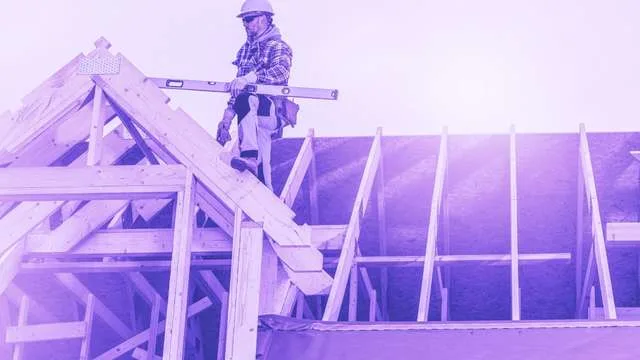
Table of ContentsTap to open
Symbolic Meanings of Building a House in a Dream
- Identity and Inner Structure: The house you build represents how you organize your values, habits, and roles. Drafting rooms and choosing finishes mirror choices about who you want to be and how you want to show up for others.
- Fresh Starts and Intentional Projects: Starting construction usually means you’re beginning a planned change—new career, relationship, or lifestyle—and the dream encourages deliberate planning and steady effort.
- Safety, Independence, and Stability: A focus on foundations, walls, and locks reflects concerns about security—emotional, financial, or practical—and the desire for a dependable base to operate from.
- Collaboration and Boundaries: If others take part in the build, the dream highlights teamwork, shared goals, or negotiation of limits; solo building shows self-reliance and personal responsibility.
- Creative Expression and Personal Style: Unusual designs, colors, or materials point to your urge to express uniqueness and reject one-size-fits-all solutions in favor of a life shaped by your tastes.
Common Building a House Dreams and Their Interpretations
Starting a House from the Ground Up
Beginning construction on an empty plot usually mirrors a clear new beginning in your waking life. You may be at the very start of an important goal—like a business idea, a move, or a personal transformation—and the dream is showing the clean slate before any choices narrow your path.
In this scenario, details such as how carefully you measure, how firm the ground looks, and who helps you plan reveal your confidence level and practical support. Careful, step-by-step work suggests realistic planning; frantic, unfocused building suggests anxiety or impatience about timeline and outcomes.
Emotionally, this dream can push you to accept the slow pace of real construction. It reminds you that strong results require steady fundamentals—permissions, finances, skills—and that investing time in a good foundation now prevents costly fixes later.
Working on a House with Family or Friends
When others join the building, the dream emphasizes relationships and shared projects. Cooperative scenes suggest you value support and want to create something meaningful together—shared values, a family home, or a collaborative venture—while tension shows mismatched expectations or unclear roles.
Pay attention to who helps and what they do: a skilled helper may represent practical support or advice in waking life, while a reluctant helper can point to emotional distance or unspoken obligations. How you communicate on-site in the dream often mirrors real conversations you need to have.
This kind of dream can prompt a practical check: are responsibilities distributed fairly? Do the people involved understand the plan? Working through those questions in waking life often improves both the project and the relationship.
Facing Delays, Shortages, or Construction Problems
Dreams where the build stalls, materials are missing, or storms interrupt progress reflect waking-life obstacles—lack of resources, time constraints, or internal doubts. These interruptions highlight parts of your plan that need reassessment rather than a signal to quit altogether.
Look at the source of the problem in the dream: are you the one misplacing tools, or is a supplier failing you? If the issue is internal (forgetting steps, losing focus), the dream asks you to strengthen routines and self-trust. If it’s external, it suggests contingency planning and clearer agreements with others.
Importantly, how you respond in the dream—resolving issues calmly, asking for help, or giving up—shows the mindset you bring to challenges. Practicing resilience, asking for support, and adjusting timelines are practical next steps suggested by this dream theme.
Building with Striking or Unusual Materials
Dreaming of glass walls, metal beams, or living-tree supports hints at your approach to originality and risk. Glass can show a wish for transparency or anxiety about vulnerability; metal can mean toughness and durability; organic materials can signal a desire to stay grounded and sustainable.
These choices reveal how you want to be perceived and how comfortable you are with unconventional decisions. If the design feels thrilling and right, the dream encourages you to follow those creative instincts. If it feels unstable or out of place, it might be warning you to balance experimentation with functionality.
Practically, the dream encourages you to test new ideas on a small scale—pilot a creative project or integrate one unconventional habit—so you can enjoy innovation without risking the whole structure.
Building in an Unexpected or Challenging Location
Constructing a home in a desert, on a cliff, or on a mountain highlights how location shapes possibility and risk. A harsh setting suggests the project requires extra resilience or unique skills; a high place points to ambitious aims that ask for effort and perspective.
Dreams set underwater or in remote landscapes invite you to explore emotional depths or unconventional life choices. The setting reminds you that context matters: resources, community, and environment will influence the project’s viability and your wellbeing while building.
Use this dream to evaluate whether your current plans fit your real-world conditions. If the location feels isolating, plan stronger support systems; if it feels liberating, make sure you have contingencies for practical needs.
Dreaming of Futuristic or High-Tech Features
If the house you build has smart systems, solar skins, or automated helpers, the dream highlights long-term thinking and a preference for efficiency. It points to goals where technology, sustainability, or systems thinking play a central role in how you shape your life.
This scene can also reveal comfort with change and innovation. If you feel excited and at ease, you’re ready to experiment and integrate new tools. If the tech feels cold or alienating, the dream nudges you to balance innovation with human needs and simplicity.
Practically, the message is to plan with both practicality and future-proofing in mind—invest in solutions that save time and increase resilience, but stay mindful of costs and the impact on relationships and daily life.
Incorporating Vintage, Reclaimed, or Nostalgic Elements
Using reclaimed wood, antique fixtures, or retro design in the dream reveals a desire to blend past lessons with present goals. You may be drawing strength from traditions, family stories, or earlier skills that still feel relevant as you build a new direction.
These elements often symbolize values you don’t want to lose—wisdom, continuity, and authenticity. They can also point to creative ways of reusing experiences: turning past mistakes into useful knowledge or reworking old skills for modern challenges.
With this dream, consider which past practices you want to preserve and which you should update. Thoughtful incorporation of tradition can lend durability and meaning to new projects, but avoid clinging to outdated methods that slow progress.
Designs with Grand or Oversized Features
Towering ceilings, vast rooms, and dramatic staircases reflect big ambitions and a desire for visibility or freedom. These exaggerated features signal confidence about expansion and a readiness to imagine a larger life than your current circumstances suggest.
However, large-scale design also raises practical questions—maintenance, costs, and emotional space. If the grandeur in the dream feels empty or overwhelming, it may indicate that ambition outpaces capacity; if it feels inspiring, the dream encourages thoughtful risk-taking and bold planning.
Use the dream to match vision with resources: keep the core ambition, but break large goals into manageable phases to build sustainably and avoid burnout.
Discovering Hidden Rooms or Secret Passages
Hidden spaces in the house represent unknown potentials, talents, or suppressed feelings. Finding a secret room often signals the start of inner work: unearthing a skill, memory, or desire that can expand what you thought possible for yourself.
How you react—curiosity, fear, joy—reflects your readiness to integrate this discovery. Curiosity and careful exploration suggest you’re prepared to bring new parts of yourself into daily life; fear or avoidance may imply unresolved issues that need gentle attention before they can be used productively.
Practical next steps include journaling or therapy to explore newly surfaced themes, trying small experiments based on the discovery, and creating safe spaces to practice unfamiliar aspects of yourself.
Finishing a House or Celebrating Completion
Dreams where the build is completed and you celebrate indicate achievement, closure, and emotional readiness to move into a new role. This reflects increased confidence and the feeling that hard work is starting to pay off.
Note who’s present at the celebration and what parts of the house receive attention—these clues reveal which life areas you feel most secure about and which still need TLC. Pride in practical rooms (kitchen, workshop) suggests competence; joy in personal rooms (bedroom, study) signals inner peace and identity clarification.
When you wake from a completion dream, map concrete next steps that honor the milestone: document lessons learned, reward yourself, and set maintenance routines to protect what you’ve built.
Building with Incomplete or Unfinished Spaces
Finding rooms without drywall, exposed beams, or a half-finished roof tells a story of transition: you’re in process and that’s okay. This dream asks for patience and realistic expectations while acknowledging ongoing growth rather than demanding immediate perfection.
Details like whether you’re comfortable in unfinished rooms or anxious about their state show how you tolerate ambiguity in waking life. Comfort suggests you’re adaptable; anxiety indicates the need for clearer timelines, support, or skill-building to finish what matters.
Use this theme to create a practical roadmap: prioritize critical areas first, set small completion targets, and accept that long-term projects are built by steady, consistent actions rather than one dramatic leap.
| Dream Symbol | Interpretation |
|---|---|
| Selecting the site | Shows how you evaluate environments and people when planning a fresh start. |
| Preparing the foundation | Represents the steady, practical work needed to ensure long-term success. |
| Raising the walls | Indicates forming boundaries and protecting your sense of self during change. |
| Dream Scenario | Interpretation |
|---|---|
| Teamwork that flows | Means shared purpose and reliable partnerships in life or work projects. |
| Arguments or blocks | Point to clashes in goals, values, or communication among those involved. |
| Joy at the end | Signals collective achievement and strengthened bonds after hard work. |
| Dream Symbol | Interpretation |
|---|---|
| Delays in build | Reflect possible hold-ups in life goals or the need to adjust timelines. |
| Missing supplies | Highlights gaps in resources, skills, or planning that need fixing. |
| Clearing obstacles | Represents resilience, learning, and the ability to adapt under pressure. |
| Dream Material | Interpretation |
|---|---|
| Glass components | Point to openness, clarity, and the risk of feeling exposed. |
| Metal structures | Suggest strength, endurance, and practical reliability. |
| Wood elements | Signal grounding, warmth, and a desire for natural simplicity. |
| Stonework | Indicates solid, long-lasting foundations and resilience. |
| Dream Location | Interpretation |
|---|---|
| Desert setting | Suggests self-reliance and learning to thrive with limited comfort. |
| Mountain site | Represents challenging ambitions and the need for endurance to reach goals. |
| Underwater build | Points to emotional exploration and plumbing the depths of inner life. |
| Dream Feature | Interpretation |
|---|---|
| Smart systems | Reflect practical, future-oriented thinking and a wish for efficiency. |
| Green tech | Shows commitment to sustainability and long-term stewardship. |
| Bold architecture | Suggests creative vision and the desire to stand out or make an impact. |
| Dream Element | Interpretation |
|---|---|
| Reused materials | Symbolize transforming past lessons into practical strengths in the present, as with past experiences. |
| Historic details | Point to honoring tradition while crafting a modern life. |
| Antique furnishings | Suggest valuing story, depth, and continuity in your personal space. |
| Dream Feature | Interpretation |
|---|---|
| Soaring ceilings | Indicate a mindset open to growth and expansive goals. |
| Large windows | Represent a desire for clarity, broader perspective, and connection. |
| Impressive stairways | Suggest the process of rising toward new responsibilities or status. |
| Dream Element | Interpretation |
|---|---|
| Concealed rooms | Point to untapped talents, memories, or desires waiting to be acknowledged. |
| Private retreats | Represent the need for solitude, introspection, or safe space to recharge. |
| Hidden finds | Suggest surprising discoveries that can change your direction or self-view. |
| Dream Element | Interpretation |
|---|---|
| Thriving gardens | Point to emotional growth, renewal, and the fruits of careful tending. |
| Outdoor rooms | Suggest balance—bringing nature, play, and rest into your routine. |
| Water elements | Represent healing, emotional flow, and the need for gentle replenishment. |
| Dream Element | Interpretation |
|---|---|
| Curvy forms | Suggest flexibility, openness to change, and creative problem-solving. |
| Unbalanced shapes | Indicate a love of uniqueness and a willingness to defy norms. |
| Unusual architecture | Reflects creativity, originality, and a readiness to try new ideas. |
| Dream Element | Interpretation |
|---|---|
| Partially finished rooms | Symbolize ongoing personal work and the acceptance of growth as a process. |
| Active work zones | Show you are in the middle of change and that steady effort will eventually pay off. |
| Structural gaps | Remind you to plan and be patient so the final result is sound and lasting. |
| Dream Element | Interpretation |
|---|---|
| Luxurious touches | Reflect desires for achievement, comfort, and rewards for effort. |
| Elegant finishes | Indicate taste for refinement and pride in quality in life choices. |
| High-end features | Suggest ambition and the drive to create a richly satisfying life. |
Dreaming of building a house with eco-friendly systems—solar panels, rain capture, or efficient insulation—often symbolizes a deliberate turn toward long-term responsibility, ethical choices, and care for the world you will leave behind.
Such a dream can also indicate a wish to design life around sustainability: conserving resources, reducing waste, and investing in solutions that protect your future comfort while honoring broader values.
Practically, this dream nudges you to align decisions with values—choose options that last and support a life that’s resilient, resourceful, and mindful of the wider systems you participate in.
| Dream Element | Interpretation |
|---|---|
| Solar panels | Symbolize self-reliance, renewable energy, and investing in sustainable resources. |
| Systems for water reuse | Indicate careful stewardship and appreciation for cyclical, regenerative practices. |
| Energy-wise design | Shows practical commitment to reducing waste and protecting long-term wellbeing. |