Dreaming about a kite typically points to themes of freedom, goals, and perspective: the kite in your dream reflects how you aim, steer, or let go of important hopes in your waking life.
Key Takeaways
- Kite dreams often symbolize a desire for freedom, ambition, or an urge to gain a broader viewpoint.
- The condition of the kite—tangled, colorful, stringless, or soaring—reveals whether you feel empowered, stuck, directionless, or uplifted.
- Relationships, mentorship, and outside influences show up as other people controlling or observing the kite in your dream.
- Practical next steps from a kite dream include assessing control, clarifying goals, and reconnecting with play or creativity.
- Specific symbols in the dream—messages, animals, storms, or festivals—add layers that point to guidance, transformation, challenge, or community.
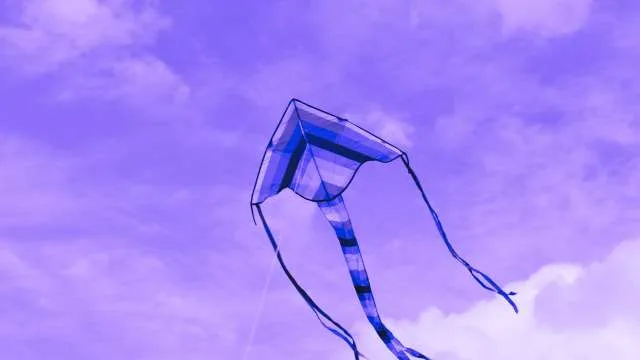
Table of ContentsTap to open
Symbolic Meanings of Dreaming About a Kite in a Dream
- Freedom and Release: A kite that rises cleanly into the sky signals a longing to escape restrictions or to breathe more freely in your life. That upward motion suggests you’re open to letting go of limiting habits, seeking experiences that expand you, or wanting more autonomy. If the kite is steady, it often means you feel ready to take steps toward independence; if it’s unstable, your freedom may still feel tentative.
- Aspirations and Ambition: A kite high above frequently mirrors personal goals and how you pursue them. The kite’s altitude reflects how far you’re willing to aim, while the effort needed to keep it aloft mirrors discipline and planning. When the kite responds to your guidance, it suggests your actions are aligned with your ambitions; when it resists, you may need to rethink strategy or priorities.
- Perspective and Clarity: Seeing a kite from below or watching it drift can point to the need to step back and view situations from a wider angle. Kites give a bird’s-eye sense in dreams—this invites you to detach from small details and consider long-term outcomes. A clear sky indicates mental clarity; a cluttered skyline suggests confusion or competing priorities.
- Playfulness and Inner Child: Kites evoke childhood play and imaginative energy. Dreaming of a kite can be a reminder to reconnect with joyful creativity, spontaneity, or simple pleasures. This symbolism encourages balancing responsibility with play and tapping into creative impulses that fuel motivation and emotional wellbeing.
- Connection and Control: The kite’s string is a literal link between you and your ambitions. A taut string shows you feel tethered and purposeful; a broken or missing string signals loss of control or a need to find new anchors. How you hold the string, who else does, and whether the string entangles are key details that point to relationships, support, or interference.
Common Kite Dreams and Their Interpretations
Flying a Kite Yourself
When you dream that you are the one flying a kite, the scene usually speaks to agency. You are actively managing an aspect of your life—career goals, a creative project, or personal growth—and you feel the need to guide it with attention and care. The way the kite responds to your actions shows how effective your current approach is: a responsive kite signals momentum, while one that keeps falling suggests you need to change tactics or learn new skills.
Notice the environment in the dream: an open field implies room to expand, while tight spaces point to constraints you must navigate. The weather matters too—gentle wind supports steady progress, while gusts ask for adaptability. Flying a kite can also be a spiritual metaphor: steady elevation may hint at inner alignment or a sense of purpose rising into view that you’re consciously tending.
If other people help you handle the kite, the dream may highlight collaboration or mentorship. Giving or sharing control of the string suggests you’re open to support; if someone takes the string without consent, it can signal boundary issues or external pressure. Pay attention to how you feel while flying—joy, anxiety, pride—because those emotions map to how you experience control and responsibility in waking life.
Watching a Kite Fly
Watching a kite soar from the sidelines points to reflection rather than direct action. You may be in a planning, hopeful, or observational phase—appreciating the beauty of a goal without yet committing to the work that keeps it aloft. This perspective can be healthy if you’re gathering information, but it also warns against passive admiration replacing engagement.
In social contexts, this dream can indicate how you view other people’s success. Admiring a kite from a distance may reveal respect for someone’s achievements or the longing to mirror their path. Alternatively, it can highlight feelings of envy or a belief that you lack the tools others have to reach similar heights.
The relationship between the watcher and the flyer in the dream matters. If you cheer for the kite, you likely hold supportive feelings; if you feel indifferent or resentful, the dream asks you to examine your assumptions about what you deserve or what stops you from participating. This scenario often invites small actionable steps—moving from spectator to participant.
A Kite Tangled in a Tree
A kite stuck in a tree is a vivid image of being halted by obstacles. The tree represents an obstacle or a long-standing structure—beliefs, systems, or people—that blocks progress. The tangle suggests complexity: freeing the kite may require patience, a new perspective, or asking for assistance from someone with a better vantage point.
How you react in the dream gives insight into your approach to setbacks. Gently working to untangle the kite implies persistence and problem-solving; panicking or abandoning it points to fear of confronting difficulties. A tree with low branches could mean the barrier is manageable, while an old, towering tree may signify deep-rooted issues that need deliberate effort to resolve.
Linking this image to decision-making, the stuck kite may also suggest it’s time to reassess whether the original goal still fits your path. Sometimes a kite caught in a tree invites you to let go of that particular pursuit and choose a new direction instead of investing energy in something that keeps snagging on the same obstacle.
A Kite Without a String
Seeing a kite drifting without a string is a powerful symbol of either liberation or disconnection. On the positive side, a stringless kite can represent the experience of freedom—escaping ties that felt constraining and embracing autonomy. The dream may celebrate a fresh release from obligations or a bold move toward independence.
On the flip side, a stringless kite may reflect feeling unmoored: goals that drift away because you lack a plan, or relationships that have loosened. This image often nudges you to find anchors—values, routines, or relationships that give direction—or to accept that some drifting is part of exploration and growth.
If you try to catch or attach a string in the dream, it suggests a desire to regain control or reestablish purpose. The effort you make to tether the kite reflects your willingness to take practical steps: set intentions, build habits, or seek mentors who help you navigate toward stability without losing the sense of freedom.
Colorful or Vibrant Kites
A brightly colored kite radiates joy, creative energy, and distinctiveness. The palette of the kite can be meaningful—bold colors signal confidence and self-expression, while softer hues may point to gentle creativity or quiet contentment. The visual vibrancy encourages you to embrace what makes you unique and to let your personality show in whatever you’re attempting to lift into the sky.
Color can also carry personal or cultural meanings that add nuance. If the dream stirs a specific memory tied to a color, treat that emotional association as part of the message. A colorful kite shared with others often highlights community expression or collaborative creativity, suggesting that your gifts shine brightest when connected with others.
When the dream pairs color with movement—like a rainbow kite dancing in steady wind—it suggests harmony between how you feel inside and what you present outside. If the colors fade or peel, it may indicate burnout or a need to replenish creative reserves before you continue expressing yourself boldly.
A Kite in a Storm
When a kite fights winds and rain, the dream reflects resilience amid turbulence. The storm stands for stressors—conflict at work, emotional upheaval, or sudden change—while the kite acts as your hope, goals, or inner compass struggling to stay aloft. A kite that weathers the storm suggests inner resources and adaptability that help you survive hard periods.
Pay attention to how you manage the kite during the storm. If you adjust the string and ride the gusts, you’re likely finding ways to channel challenges into momentum. If the kite snaps or crashes, the dream signals vulnerability and the need to seek support or regroup. This image urges realistic coping: reduce load, ask for help, or change course rather than forcing the same strategies in chaotic conditions.
Storm dreams also invite long-term reflection: what patterns repeatedly create “storms” for you? The scene can be a call to strengthen foundations—practical planning, emotional regulation, or stronger boundaries—so your aspirations can endure future turbulence with less damage.
A Kite Festival
Dreaming of a kite festival points to community, celebration, and shared aspirations. Festivals gather diverse people who display different styles and intentions; as a dream image, this can mean you’re drawn to collective projects, want to belong to a larger cause, or seek joy in shared creativity. The festival’s mood—joyful, chaotic, or tense—shows how you feel about group involvement.
Participating actively in the festival suggests you’re ready to contribute publicly or collaborate with others, while standing apart may signal hesitation about joining a group. A harmonious festival indicates productive teamwork and belonging; conflicts at the event mirror friction you might face in real team settings and call for diplomacy and compromise.
Festival dreams can also highlight the value of celebration itself. If you’re usually focused on outcomes, this image invites you to enjoy the process, recognize small wins, and soak in communal energy that can renew motivation and creativity for future endeavors.
A Kite as a Gift
Receiving a kite in a dream often signals support, encouragement, or a new opportunity arriving from someone else or from the universe. The gift can symbolize trust—someone offering resources, mentorship, or affirmation that helps you take flight. The giver’s identity matters: a loved one gifting a kite implies personal support, while a stranger may represent unexpected opportunity.
Giving a kite to someone in a dream speaks to your desire to inspire, mentor, or pass on what you’ve learned. It reflects generosity and the pleasure of seeing others grow. The quality of the kite in the gift—how it’s built, its color, or its condition—communicates your confidence in the recipient and the sort of help you feel capable of offering.
When a gift kite comes with instructions or warnings, treat them as meaningful details. They may point to real-world advice you either need to accept or to give. A gifted kite that fails to fly may suggest that good intentions aren’t sufficient without follow-through, so practical support or follow-up may be required.
A Kite with a Message Attached
If a kite in your dream carries a written message or note, the image functions like a symbol of guidance or revelation. The kite acts as a carrier for inner wisdom, advice from a mentor, or a sign meant to reach you. Reading the note in the dream can deliver a clear insight; struggling to see it hints at a message that requires patience, reflection, or external perspective to decode.
Messages on kites can be personal—affirmations or intentions you need to hear—or practical—warnings or invitations that require action. The emotional tone of the note (comforting, urgent, cryptic) helps you prioritize its significance. A kite that drops its message signals missed opportunities or communications you may have overlooked in waking life.
Attaching your own message to a kite in the dream points to your wish to communicate something important publicly—an idea, truth, or intention you want to send out. This may be a cue to craft clear language, choose the right audience, and prepare for the consequences of speaking your truth.
Animal-Shaped Kite
A kite shaped like an animal borrows qualities from that creature and asks you to consider how those traits apply to your life. The specific animal is crucial: a bird kite tends to emphasize freedom and perspective, a butterfly kite suggests transformation and delicate beauty, and a dragon kite evokes power, protection, or ancestral strength. Each animal adds a symbolic layer that personalizes the dream’s guidance.
Animal kites often symbolize integrating a particular energy into your life. For example, a fish-shaped kite may point to emotional flow and abundance, asking you to move with currents rather than resist them. The dream may encourage you to study the animal’s typical symbolism and your own associations to glean practical meaning for decisions or spiritual growth.
When the animal kite behaves in unexpected ways—an eagle kite that struggles, or a butterfly kite that soars steadily—those behavioral details tweak the interpretation. A struggling lion-shaped kite might call attention to fears about asserting strength, while a relaxed bird kite could suggest a healthy release of ambition in favor of serenity.
A Child Flying a Kite
Seeing a child fly a kite directs attention to innocence, potential, and the seeds of future growth. The child often represents your inner child or early dreams that still hold value. Watching them succeed is an encouraging sign: nurture those early visions rather than dismiss them as naive. If the child struggles, the dream might point to neglected aspirations that need adult care and structure to flourish.
The relationship between you and the child in the dream matters. If you are the child, the image invites playful exploration and emotional healing—give yourself permission to experiment without fear. If you are supervising the child, you may be in a coaching or parenting role, responsible for tending someone else’s aspirations with patience and support.
Practical interpretation focuses on cultivating potential: set small goals, provide consistent encouragement, and create safe spaces where experimentation and learning are allowed. Child-and-kite dreams often arrive when it’s time to combine structure with play to help nascent ideas grow into sustainable projects.
A Kite Flying at Night
A kite seen against a night sky blends aspiration with mystery. Night in dreams represents the unknown, intuition, and the subconscious; a kite shining or visible at night suggests that your hopes are guided by inner knowing or that you’re navigating ambitions through periods of uncertainty. The image often encourages trust in intuition when logical clarity is scarce.
If the kite emits light or glows, it acts like a beacon—your dreams or values offer guidance for others or illuminate a path through darkness. A kite disappearing into blackness may reflect anxiety about losing sight of goals during uncertain times. The dream asks you to cultivate small practices (journaling, reflection, seeking counsel) that illuminate next steps.
Nighttime kite dreams also invite exploration of hidden motivations and fears. They urge you to balance rational planning with inner listening: use both facts and gut feelings to steer your ambitions when external conditions feel unclear or risky.
Broken or Tangled Kite String
A frayed, knotted, or snapped string is a concrete metaphor for interrupted connections—between you and a goal, between you and another person, or between intention and execution. Tangled strings point to complications and mixed priorities; a broken string often signifies a loss of control or a necessary release.
In the dream, how you respond matters: patiently untangling shows commitment to repair and restore, while cutting the string signals acceptance of letting something go. Repairing a string in the dream suggests a willingness to rebuild trust, reestablish priorities, or adapt strategy so that your aims become manageable again.
This image also prompts inventory: which relationships or responsibilities demand repair, and which attachments keep you from moving forward? The dream encourages practical fixes—clear communication, renegotiating roles, or simplifying commitments to restore functional connection.
Kite Changing Shape or Color
When a kite morphs in shape or hue, the dream emphasizes transformation and adaptability. Shifting forms can mirror internal growth or the evolution of your goals: what once fit you may no longer match your identity, and that’s normal. Embrace flexibility and allow aspirations to adapt as you learn more about yourself and your circumstances.
Color shifts can signal emotional change. Brightening color may represent renewed enthusiasm; dulling suggests waning interest. Shape changes that become more efficient or aerodynamic imply maturation—your plans are becoming smarter and better suited to real-world demands. Conversely, odd or jarring changes may highlight confusion and the need to clarify values before proceeding.
This kind of dream encourages experimentation: try new approaches, reframe objectives, and be open to small course corrections rather than forcing a single form to work forever. Transformation is often a sign of progress, not failure.
Flying Multiple Kites
Handling more than one kite points to juggling responsibilities, passions, or relationships. Each kite represents a different commitment or part of your identity—work, family, creative projects—and trying to keep them all airborne is a realistic image of modern life. The dream asks whether you can manage everything without kites tangling or whether prioritization is overdue.
How the kites interact matters: if they fly in harmony, you have found a rhythm that integrates multiple roles. If they tangle or crash, competing demands may be draining you or causing conflict. Consider simplifying, delegating, or sequencing your efforts so one kite doesn’t undermine another.
Practically, this dream prompts organization: set boundaries, create time blocks, and be intentional about where you apply energy. The aim is not perfect balance but sustainable coordination that keeps the most important kites aloft while letting less essential ones rest when needed.
A Kite Flying Higher Than Others
Seeing your kite rise higher than those around it highlights ambition, distinction, or a competitive edge. It can be a healthy sign of confidence and achievement, but it also warns against isolation or hubris. Success that isolates may need humility and relationships to remain meaningful and sustainable.
If your kite soars on steady wind, it suggests achievement earned through skill and effort. If the height feels precarious, you may worry about maintaining status or fear a fall. This dream invites reflection: celebrate gains, but build foundations and community so success doesn’t become solitude.
Consider whether your desire to rise stems from intrinsic goals or external validation. Aligning ambitions with personal values and supporting others’ flights at the same time creates a healthier context for sustained success and reduces the fear of being the lone kite in the sky.